

Reviewed · MUSEUMS
Krakow: Ethnographic Museum Entry Ticket
Krakow has a surprisingly human side. This ticket takes you into Polish folk culture through a museum that spans two buildings and tens of thousands of objects, mostly from the late 1800s and early 1900s. I especially like how the collection is organized so you can trace how artists treated rural traditions as something worth saving.
My other favorite part is the building switch, Town Hall first and then Esterka’s House, where you see temporary exhibitions in a vaulted basement. One drawback to plan around: there’s no guided tour included, so if you need a specific language support like Italian, you may have to manage on your own when you’re there.
In This Review
- Key points to know before you go
- A Low-Cost Way to See Krakow’s Peasant Culture Close Up
- Town Hall Rooms: Where Polish Folk Culture Gets Organized
- The scale can be a feature, or a trap
- Esterka’s House: Temporary Exhibitions in Vaulted Basement Space
- The Most Valuable Thing Here: How Art Connects to Identity
- What About a Guided Tour?
- How to Plan Your 1-Day Visit Without Feeling Rushed
- A tip on ticket flow
- Price and Value: Why This $6 Ticket Works
- Who This Museum Is Best For
- Should You Book It?
- FAQ
- How much does the Krakow Ethnographic Museum entry ticket cost?
- How long is the experience?
- Which buildings are included in the ticket?
- Is a guided tour included?
- About how many exhibits are there to see?
- Is the museum wheelchair accessible?
- What is the cancellation policy?
Key points to know before you go

- Two stops in one entry: Town Hall for the main folk-culture exhibition, plus Esterka’s House for temporary displays.
- About 80,000 items: mostly from the turn of the 19th and 20th centuries, so expect scale.
- Folklore with a purpose: the exhibits connect folk revivals to social and cultural pressures around that era.
- Different room moods: Town Hall feels more like a structured museum circuit, while Esterka’s House shifts into tighter basement viewing.
- No guide included: you get admission, not a guide, so bring a plan for how you’ll read and interpret.
A Low-Cost Way to See Krakow’s Peasant Culture Close Up
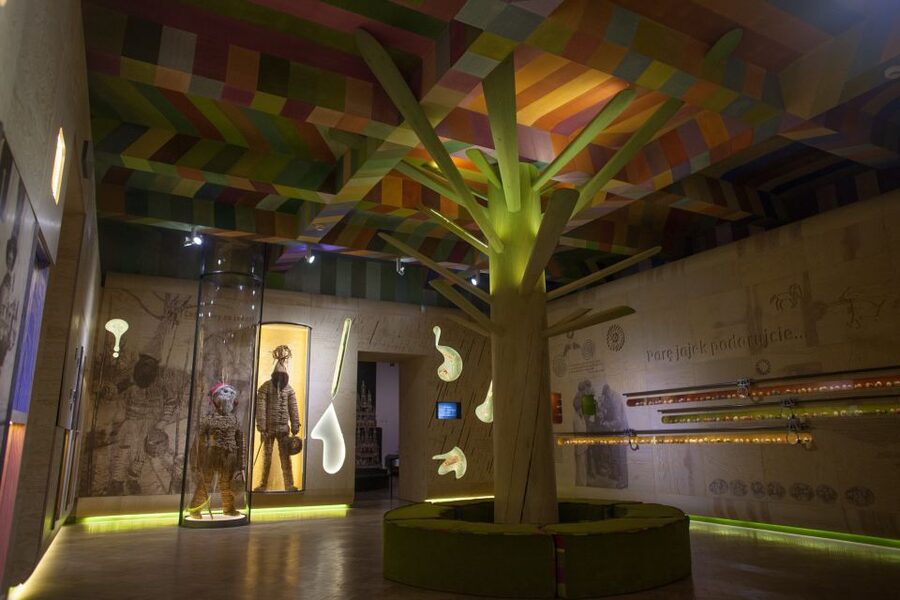
For about $6 per person, this museum is one of those bargain cultural stops that feels bigger than it costs. What you pay for is not just a few rooms of folk costumes. You’re getting access to a collection that preserves and interprets everyday rural life through objects, images, and art.
The museum’s mission matters for how you’ll experience it. The collection is described as a shelter for Krakow’s peasant culture, meaning it’s meant to protect traditions that might otherwise get flattened into stereotypes. That goal changes your mindset as you walk, because the exhibits read less like decoration and more like evidence of real lives.
More Museum Tours in Krakow
- Auschwitz-Birkenau Museum and Memorial Guided Tour from Krakow
★ 4.5 · 1,510 reviews - Krakow: Rynek Underground Museum Guided Tour
★ 4.6 · 1,122 reviews - Krakow: City Card with Public Transport and Museums
★ 3.9 · 675 reviews
Town Hall Rooms: Where Polish Folk Culture Gets Organized
Your visit starts in the town hall building, focused on Polish folk culture. This is where you’ll spend most of your time, since it houses the museum’s large-scale exhibition with around 80,000 exhibits overall. Many items date to the late 19th and early 20th centuries, which is a key period in how folklore became a formal artistic theme.
What I like about this section is the way it frames folklore as a response to pressure. The exhibits explain how artists were drawn to reviving folk traditions, seeing them as an antidote to stagnation and a cultural crisis among the Polish intelligentsia around the turn of the 1900s. In plain terms, it’s showing you that folklore revival was not only about nostalgia. It was also about searching for identity and meaning at a moment when educated society felt stuck.
If you enjoy museum storytelling, this building rewards slow reading. You can track how “peasant culture” was viewed, collected, and reinterpreted, and you’ll notice that the objects are not presented as museum curios only. They are used to explain choices, values, and aesthetics.
The scale can be a feature, or a trap
With a collection this size, you’ll need to decide what kind of visitor you want to be. If you try to see everything, you could end up sprinting from case to case, which is the fastest route to museum burnout.
My practical suggestion: pick a few themes before you enter. For example, focus on how folk life appears in art and decorative pieces, then follow that thread through the rooms. You’ll leave with a clearer impression than if you simply check boxes.
Esterka’s House: Temporary Exhibitions in Vaulted Basement Space
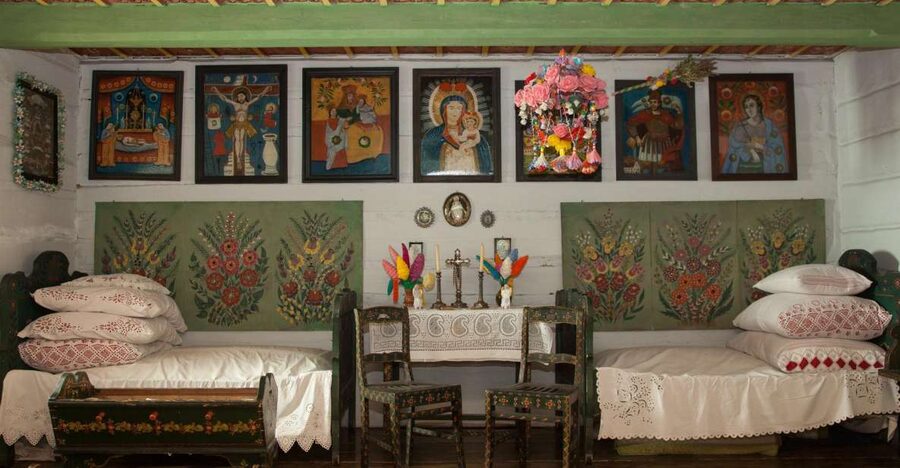
After the town hall, you move to Esterka’s House for temporary exhibitions. This is not just a second location. It’s a mood shift. The displays are presented in a beautifully vaulted basement, so the space feels more compact and architectural, which makes the temporary shows feel intentional rather than “extra.”
The museum positions Esterka’s House as a companion to the main collection. In other words, it keeps the “shelter” idea alive by giving the permanent holdings room to breathe while still offering fresh viewing. Temporary exhibitions can be especially useful when you want something beyond standard folk costume displays.
This part of the visit is also where you might notice variety in materials like artworks and sculptural elements. One visitor highlighted the last rooms, including paintings and sculpture, as a real discovery. Even if you are not trying to be an art-history sleuth, the mix of object types tends to make the basement section feel less repetitive.
More Polish museums that take an afternoon:




The Most Valuable Thing Here: How Art Connects to Identity
What makes the Ethnographic Museum more than an old-fashioned collection is the connection between artists and the idea of folklore revival. The exhibits describe an attraction to reviving folk culture as a cure for cultural stagnation and a crisis among Poland’s educated class at the start of the 20th century. That’s a big claim, and it helps explain why rural traditions were collected, studied, and turned into something artists could showcase.
When you understand that context, you start reading the objects differently. You’re not only asking, what is this item? You’re also asking why it was important to the people who preserved it and exhibited it. That question makes the museum feel more alive, because you’re watching culture get negotiated.
I also like that the museum doesn’t try to flatten peasant culture into one simple idea. Even when exhibits focus on specific eras, the overall effect is that rural life is complex enough to inspire art, design, and collecting. That’s a useful correction to how many people first imagine “folk” as something static.
What About a Guided Tour?
This ticket gives you access to the museum, including the main folk-culture exhibition and temporary exhibitions at Esterka’s House. It does not include a guided tour.
That matters because the museum’s best ideas are tied to interpretation and context. If you read labels carefully, you’ll do fine without a guide. If you want someone to explain the deeper cultural background quickly, you’ll need to plan another option outside this ticket.
One practical note: a visitor wishing for an Italian guide shows up in the overall feedback. Translation support can vary by day and availability, so if Italian is essential for you, treat this as self-guided and plan a backup.
How to Plan Your 1-Day Visit Without Feeling Rushed
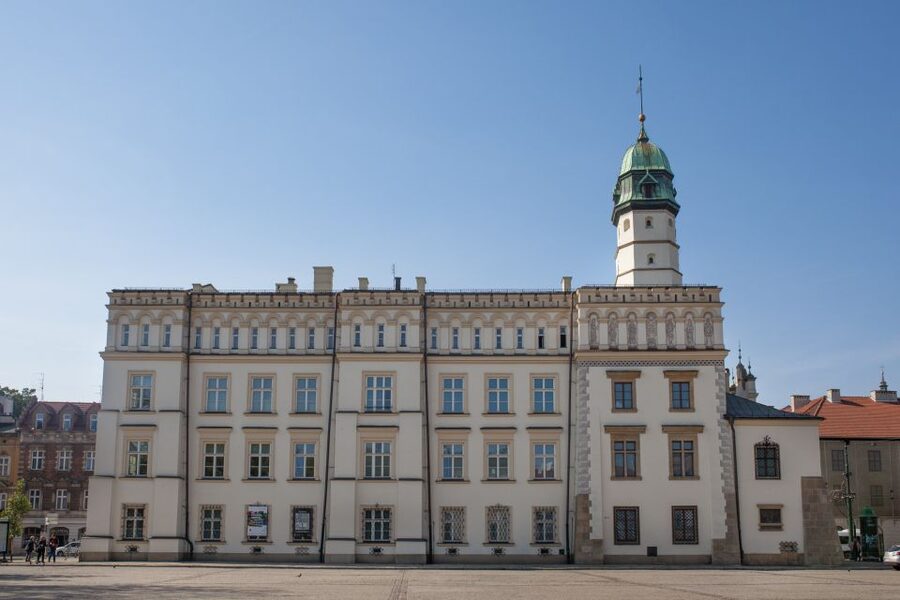
The activity is valid for 1 day, and you should check availability for starting times. That suggests timed entry or a schedule element, even if it’s not a tight guided clock.
Here’s a way to structure it so you get both buildings comfortably:
Start with Town Hall if you like a clear route. Spend enough time there to get a sense of the broader collection and the folklore revival theme. Then shift to Esterka’s House for the temporary displays, letting the basement space act like a second act with a different pace.
If you’re the type who likes to skim, set yourself a rough target. For instance, read whatever sections connect artists and folklore revival, then move on. If you’re the slow-and-curious type, commit to longer label reading and let the scale work for you.
A tip on ticket flow
This entry includes skip the ticket line, which is a nice quality-of-life perk in a city where popular sights can be slow at peak hours. Use that to your advantage. Arrive ready to go inside, and don’t waste that saved time by wandering for an hour outside.
Price and Value: Why This $6 Ticket Works
At $6 per person, the Ethnographic Museum is excellent value for travelers who want culture that’s not just sightseeing. You’re paying for three things at once: access to the main folk-culture exhibition, access to temporary exhibitions in Esterka’s House, and a route through two connected buildings.
The biggest value driver is scale. Around 80,000 exhibits is not a small collection, and the objects are mostly concentrated in a meaningful historical window, the turn of the 19th and 20th centuries. That means you’ll likely keep seeing variations in style, materials, and themes instead of the same visual pattern repeated.
The risk is not cost. The risk is time and attention. If you only have a few hours in Krakow and you bounce from place to place, this museum could feel like too much. But if you can give it a real chunk of your day, it becomes one of the most satisfying “small price, big learning” stops in the city.
Who This Museum Is Best For
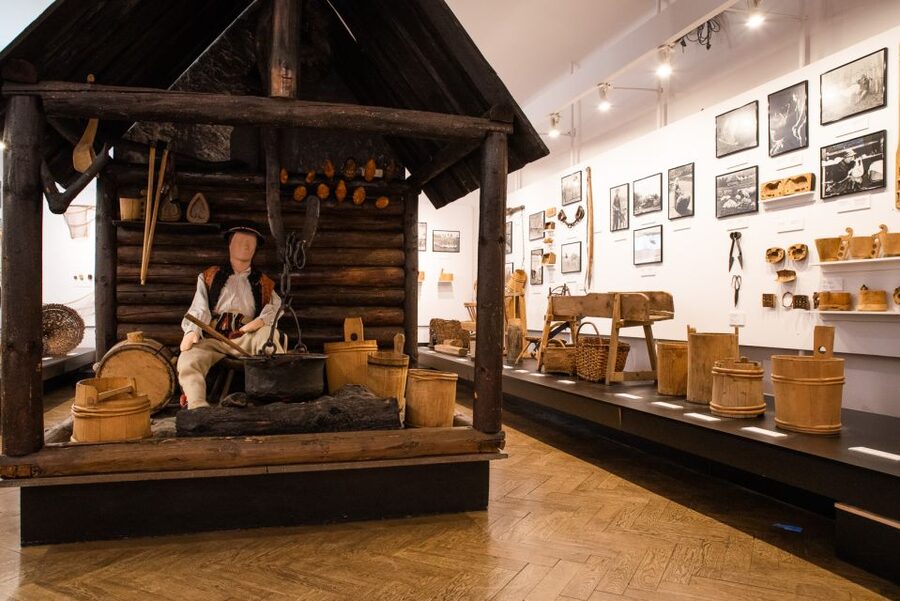
This is a strong choice if you:
- Want a deeper view of Polish culture through objects, not just landmark buildings.
- Like museums that connect art to social context.
- Enjoy comparing two spaces in one visit, since Town Hall and Esterka’s House feel different.
- Are comfortable reading and interpreting at your own pace.
It may not be ideal if you:
- Need a guided tour for interpretation. This ticket does not include one.
- Are relying on guaranteed in-language guidance. The museum’s self-guided format means support can be uneven.
That said, the low price makes it easy to choose even with some uncertainty. If you decide you want more explanation later, you can always pair the visit with a separate guided option on a different day.
Should You Book It?
If you’re building a Krakow day that mixes top sights with something more grounded and human, I’d book this. The value is hard to beat for the amount of material you can see, and the two-building layout helps you keep interest instead of getting stuck in one long room.
Book it especially if you like understanding how culture changes over time, how artists react to social tension, and how rural traditions can become influential far beyond the village. Skip it only if you strongly prefer guided storytelling, or if you know you need a specific language guide and can’t adapt.
FAQ
How much does the Krakow Ethnographic Museum entry ticket cost?
The ticket price is listed as $6 per person.
How long is the experience?
It’s described as a 1-day experience.
Which buildings are included in the ticket?
You get access to the museum’s two buildings, including the Town Hall exhibition and Esterka’s House for temporary exhibitions.
Is a guided tour included?
No. A guided tour is not included with this ticket.
About how many exhibits are there to see?
The museum contains about 80,000 exhibits, mainly from the turn of the 19th and 20th centuries.
Is the museum wheelchair accessible?
Yes, it’s listed as wheelchair accessible.
What is the cancellation policy?
You can cancel up to 24 hours in advance for a full refund.
Freshly posted from Krakow
- ZALIPIE – painted village, unique small group tour from Krakow★ 5.0 · 7 reviews
- “John Paul II Route” PRIVATE -Wadowice, Kalwaria Z.-Łagiewniki★ 5.0 · 7 reviews
- Krakow: Craft Beer Tasting City Walking Tour★ 4.4 · 7 reviews
- Magic of Krakow: Guided Tour of the Old Town★ 5.0 · 7 reviews
- Krakow in One Day: City Tour by Electric Car★ 5.0 · 7 reviews
- Krakow : Zakopane Tour + Thermal Pools with Hotel Pickup★ 4.8 · 7 reviews
- Guided Tour of Plaszow Concentration Camp, Kraków★ 4.8 · 7 reviews
Museums, compared.
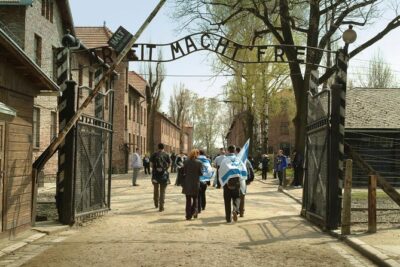
Auschwitz-Birkenau Museum and Memorial Guided Tour from Krakow
Read our review →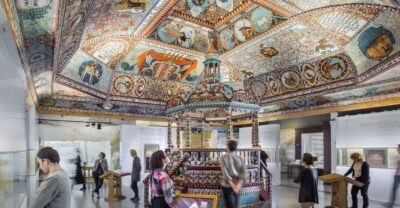
POLIN Museum of the History of Polish Jews Ticket
Read our review →
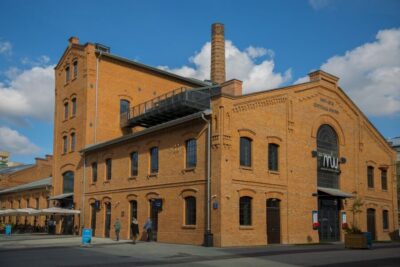
Krakow Schindler’s Factory Museum Guided Tour in English
Read our review →
Browse the lists this tour appears in