
Reviewed · MUSEUMS
Krakow: Archdiocesan Museum Entry Ticket
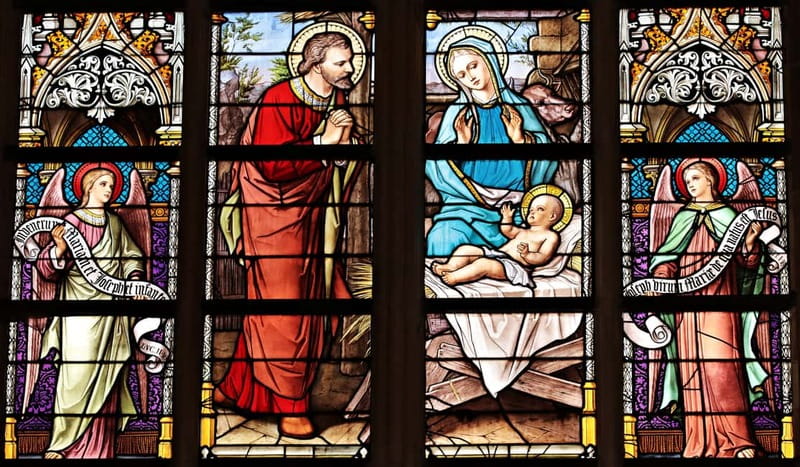
Six centuries of faith, in one small museum. The Archdiocesan Museum gathers sacred art from the 13th to the 19th century, so you can see styles shift as devotion and patronage changed. I also love the personal link to John Paul II, with gifts and items connected to his years as Cardinal Karol Wojtyła.
If you’re into art that has a job to do, not just a pretty frame, this is a strong stop in Kraków.
Here’s the only real drawback to consider: the museum is serious subject matter. If you want loud, carefree sightseeing, sacred art and church history may feel a bit heavier than a typical photo-op.
The ticket is simple, too. Meet at Kanonicza 19/21, skip the ticket line, and go at your own pace with one entry valid for that day. It is wheelchair accessible, and languages for the visit are supported through the booking, but you should still check hours on the official site since schedules can shift.
In This Review
- Key things that make this ticket worth it
- Entering Kanonicza 19/21 and getting in without stress
- What you are really paying for: sacred art across six centuries
- John Paul II and Karol Wojtyła artifacts, and why they hit
- A self-paced route through eras: Gothic devotion to 19th-century romanticism
- Paintings by Teresa Stankiewicz and Fryderyk Pautsch
- Liturgical objects and sculpture: how devotion shapes design
- Price and value: a low-cost ticket for a high-signal collection
- Who this museum ticket suits best
- Smart timing and what to pair it with in Kraków
- Should you book this Kraków Archdiocesan Museum entry ticket?
- FAQ
- Where is the Archdiocesan Museum entry ticket meeting point?
- How much does the Kraków Archdiocesan Museum entry ticket cost?
- What is the duration of the experience?
- What centuries of art does the museum collection cover?
- Is the ticket self-paced or guided?
- Does the ticket include skipping the ticket line?
- What special exhibits or connections are included?
- What languages are supported?
- Is it wheelchair accessible?
- Is transportation included?
- Should I expect opening hours to match what I see online elsewhere?
Key things that make this ticket worth it
- A rare sweep of sacred art from the 13th to the 19th century in one place
- John Paul II and Karol Wojtyła items that turn big history into something human
- Two named painting highlights, including works by Teresa Stankiewicz and Fryderyk Pautsch
- Self-paced galleries, so you can spend extra time where you actually care
- Liturgical objects and sculptures that show how faith shaped design
Entering Kanonicza 19/21 and getting in without stress
Your starting point is Kanonicza 19/21, right in Kraków’s older core where you can combine this with other “walkable old city” stops. The big practical win is that this is an entry ticket designed to help you skip the ticket line, so you are not burning time while the day slips away.
Once inside, you are not tied to a guided group schedule. The museum is built for wandering through eras, so you get to choose the pace. That matters because sacred art can be detailed. Some pieces reward slow looking, and others are quick hits. With self-paced entry, you decide how long you want to linger.
Also, do a quick reality check on hours. Opening times can differ from what you might see elsewhere, so always verify on the museum’s official website before you head over.
More Museum Tours in Krakow
- Auschwitz-Birkenau Museum and Memorial Guided Tour from Krakow
★ 4.5 · 1,510 reviews - Krakow: Rynek Underground Museum Guided Tour
★ 4.6 · 1,122 reviews - Krakow: City Card with Public Transport and Museums
★ 3.9 · 675 reviews
What you are really paying for: sacred art across six centuries
At $4.19 per person, this ticket is priced like a smart museum add-on. You are not paying for a guided tour experience with a lot of structure. You are paying to access a curated collection that covers a huge time span, from the 13th through the 19th century.
That time range is the whole point. The museum houses sacred art that shows how religious ideas, craftsmanship, and visual style changed over hundreds of years. You will see a chain of influences instead of a single “period display.” For me, that’s what makes it feel worth returning attention to, even if you only have one day in Kraków.
Inside, expect galleries that move through the long timeline of devotion. The collection is described as spanning medieval icon-style works through baroque sculpture and richly decorated liturgical objects, then onward to later artistic approaches. That arc gives you a built-in way to organize what you see, even when there are no fast facts shouted from a loudspeaker.
John Paul II and Karol Wojtyła artifacts, and why they hit
The standout connection here is the museum’s link to Saint John Paul II. If you grew up hearing his name, this is where it becomes more concrete. The museum includes gifts presented to him during his papacy and also personal belongings from his time as Cardinal Karol Wojtyła.
Why is that valuable? Because it shrinks the distance between “history books” and the person. Sacred art museums can sometimes feel like you are studying objects that never belonged to real lives. Items connected to Karol Wojtyła change that feeling. They add a human layer to the setting, and they make the religious themes feel less abstract.
If you like moments where art meets biography, plan extra time for this part. Don’t race through it. Spend long enough to read labels and sit with what the objects suggest about a life shaped by faith and public responsibility.
A self-paced route through eras: Gothic devotion to 19th-century romanticism
You can explore the museum at your own pace, and that freedom is useful because the collection is meant to be experienced in sequence. The museum is presented as a journey from Gothic devotion to 19th-century romanticism, with each room highlighting a different era.
A practical way to enjoy it without getting lost in the details:
- Start by looking for the “story of change.” How do forms and materials evolve as you move through the centuries?
- When you find a piece that grabs you, slow down and check the surrounding context. Sacred art is often part of a larger system of symbols and functions.
- If you feel tired, switch to shorter looks. Even quick scans help you keep the timeline in your head.
The museum’s descriptions also point to medieval icons, baroque sculpture, and decorated liturgical objects. That mix matters. Icons are not just paintings. Liturgical objects are not just ornament. In religious settings, these items had roles in worship and identity. When you notice the function behind the style, the art becomes easier to understand, even if you are not an expert.
More Polish museums that take an afternoon:



Paintings by Teresa Stankiewicz and Fryderyk Pautsch
Two specific artist names are highlighted: Teresa Stankiewicz and Fryderyk Pautsch. That’s helpful because it gives you something to anchor your attention while you wander.
The museum’s art focus describes these paintings as blending religious symbolism with distinct creative vision. In plain terms, you are looking for religious meaning expressed through artistic choices, not only for recognizable religious scenes. When you find a painting you like, compare it to what you’ve seen earlier. Does the symbolism feel more direct in one era? Does the style shift toward mood and romantic feeling later on?
Even if paintings are not usually your favorite museum category, this pair can work as a reality check. Sacred art can be more than static “icon worship.” It can also be emotional, psychological, and visually inventive, depending on the artist and period. If you enjoy art that balances symbolism with personal expression, you will likely spend extra time here.
Liturgical objects and sculpture: how devotion shapes design
The museum collection is described as including baroque sculpture and richly decorated liturgical objects. This is one of the best reasons to go beyond “just looking at paintings.”
Liturgical objects often reflect a design logic. They are meant to be seen in worship spaces, handled during ritual, or displayed to communicate significance. That means materials, textures, ornament style, and even proportions can carry meaning. When you slow down to study those details, you start noticing how art was part of how communities practiced and understood faith.
Baroque sculpture is another useful section to pay attention to. Baroque religious art tends to aim for drama and presence. Even if you do not know the theological background, you can feel what the sculptor wanted you to notice: posture, gesture, lighting effects, and facial expression.
If you are the type who usually rushes, this is where you can reset. Try picking one object and focusing on it for a few minutes longer than you normally would. You will probably leave with a clearer sense of how artists and church patrons thought about beauty with purpose.
Price and value: a low-cost ticket for a high-signal collection
At $4.19, this ticket feels like excellent value for Kraków. It is not an expensive activity, and it is not a “watch from the sidelines” experience. You are entering a museum collection built around sacred art across a long period, plus personal connections to John Paul II.
Here’s how to think about value:
- You get access to multiple eras in one visit, not just a single room.
- The ticket includes the key thematic anchors: the John Paul II and Karol Wojtyła items, and named highlights by Teresa Stankiewicz and Fryderyk Pautsch.
- It is self-paced, which means you control how much of that value you actually extract.
If you are on a moderate budget, this is the kind of ticket that helps you pack in culture without stressing your wallet. If you are on a tight schedule, the low price also makes it easier to try without the fear of wasting money on a dud.
Who this museum ticket suits best
This is a good fit if you want:
- Art with context, where symbols are part of the meaning
- A break from typical big-city sights
- A museum stop that can be quiet and reflective, without a massive time commitment
You might enjoy it even more if you have any interest in Poland’s religious and cultural identity, because the museum is presented as a place where church history and art come together. The museum’s description also emphasizes that it showcases major sacred art gathered in one place, which is the practical advantage of a focused collection.
Who might find it less satisfying? If you are looking for hands-on exhibits, modern interactive design, or very casual entertainment, this is not that kind of museum. It is built for careful looking and reading. The emotional payoff comes from meaning and craft, not from games or big stage effects.
Smart timing and what to pair it with in Kraków
This ticket is valid for 1 day, and you check availability to see starting times. That means you can plug it into your day plan like a flexible block, especially if you are already walking around the historic center.
A simple pairing strategy:
- Do it during a time when you prefer quieter indoor space, like a cooler morning or a break between outdoor sights.
- Combine it with nearby old-town wandering. The address puts you in an area where you can keep walking, instead of changing neighborhoods by transit.
Because you skip the ticket line, arriving close to your selected time helps you make steady progress without waiting around.
If you want to squeeze in a “culture + food” rhythm, take a break after the most emotionally heavy section, likely the John Paul II related displays, then return for the artwork sections with a fresh head. Sacred art can be intense. A short pause keeps the visit enjoyable.
Should you book this Kraków Archdiocesan Museum entry ticket?
Book it if you like art that carries a message and you want a meaningful Kraków stop that does not cost much. The mix of sacred art from the 13th to the 19th century, plus the John Paul II and Karol Wojtyła connection, gives you both craft and human story. If you are curious about how the Church shaped visual culture in Poland, this is an efficient way to learn without a long commitment.
Skip it if you only want quick, light sightseeing, or if you avoid museum environments that demand slower looking and reading. Also, if your main goal is modern art, this collection is not presented that way.
If you are on the fence, here is the deciding factor: at $4.19, the risk is low, and the museum is designed to let you go at your own pace. That combination makes it easy to turn into a satisfying hour or two, or a longer reflective visit depending on how you feel that day.
FAQ
Where is the Archdiocesan Museum entry ticket meeting point?
The meeting point is Kanonicza 19/21.
How much does the Kraków Archdiocesan Museum entry ticket cost?
The price is $4.19 per person.
What is the duration of the experience?
The experience is listed as 1 day, with self-paced museum entry.
What centuries of art does the museum collection cover?
The museum features sacred art from the 13th to the 19th century.
Is the ticket self-paced or guided?
It is self-paced, so you can explore the museum at your own pace.
Does the ticket include skipping the ticket line?
Yes, it includes skip the ticket line.
What special exhibits or connections are included?
The included highlights focus on gifts of Holy Father John Paul II and souvenirs connected to Cardinal Karol Wojtyła, plus paintings by Teresa Stankiewicz and Fryderyk Pautsch.
What languages are supported?
The booking information lists languages as available, and it also mentions cancellation in relation to that timing.
Is it wheelchair accessible?
Yes, the museum is wheelchair accessible.
Is transportation included?
No, transportation is not included.
Should I expect opening hours to match what I see online elsewhere?
Opening hours might differ from those shown on a product page, so you should check on the official website before you go.
Freshly posted from Krakow
- ZALIPIE – painted village, unique small group tour from Krakow★ 5.0 · 7 reviews
- “John Paul II Route” PRIVATE -Wadowice, Kalwaria Z.-Łagiewniki★ 5.0 · 7 reviews
- Krakow: Craft Beer Tasting City Walking Tour★ 4.4 · 7 reviews
- Magic of Krakow: Guided Tour of the Old Town★ 5.0 · 7 reviews
- Krakow : Zakopane Tour + Thermal Pools with Hotel Pickup★ 4.8 · 7 reviews
- Krakow in One Day: City Tour by Electric Car★ 5.0 · 7 reviews
- Guided Tour of Plaszow Concentration Camp, Kraków★ 4.8 · 7 reviews
Museums, compared.
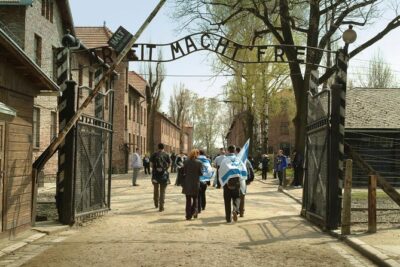
Auschwitz-Birkenau Museum and Memorial Guided Tour from Krakow
Read our review →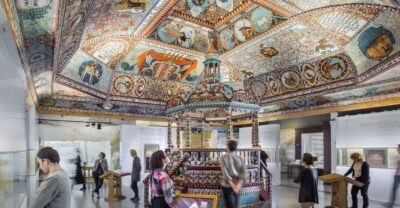
POLIN Museum of the History of Polish Jews Ticket
Read our review →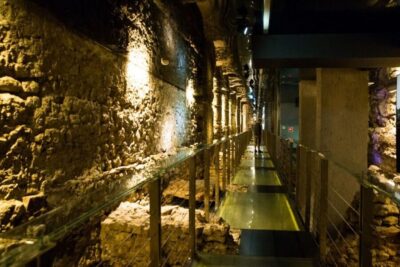
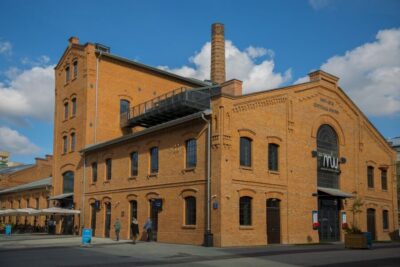
Krakow Schindler’s Factory Museum Guided Tour in English
Read our review →
Browse the lists this tour appears in