
Reviewed · AUSCHWITZ-BIRKENAU GUIDED TOURS
Jewish Krakow 3-Day Guided Tour with Wieliczka and Auschwitz
Kazimierz to Auschwitz in three days. I love how this route pairs the Kazimierz Jewish quarter with the included Schindler’s Factory museum, and I like that the timing gives you space to take things in. The only drawback is that several synagogue stops are outside views only, so you will not get every interior.
The day-by-day structure also helps you avoid decision fatigue. You start at Szeroka 24 at 10:00 am, then the transfer days handle the long drives for you, with an evening return back to Krakow. In practice, this makes a heavy itinerary feel more manageable, though you should still expect full days and lots of walking.
This is not a light sightseeing loop. Ghetto memorial spots, Auschwitz-Birkenau, and the stories behind them ask for your attention, not your phone.
In This Review
- Key highlights worth planning around
- Kazimierz first, then Auschwitz: why the order matters
- Szeroka Street and the synagogue circuit in Kazimierz
- Father Bernatek Footbridge and the ghetto memory walk in Podgórze
- Schindler’s Factory museum: how 90 minutes fits the story
- Auschwitz-Birkenau: the 7-hour day you should plan like a marathon
- Wieliczka salt mine: underground chambers that change the pace
- Price and value: what $252.86 buys you
- Who should book this 3-day Jewish Krakow and memorial tour
- Should you book this Jewish Krakow 3-day tour with Wieliczka and Auschwitz?
- FAQ
- What language is the tour offered in?
- How long is the tour?
- What is the meeting point and start time?
- Are synagogue entrances included on Day 1?
- Which museum or attractions are included with admission?
- How long is the Auschwitz-Birkenau visit and how does travel work?
- How long is the Wieliczka Salt Mine visit?
- Are meals included?
- What is the group size limit?
- What is the cancellation window?
Key highlights worth planning around
- Kazimierz synagogue-hopping that stays focused on what each place meant to the community
- Schindler’s Factory included for a modern, interactive museum experience at the right length
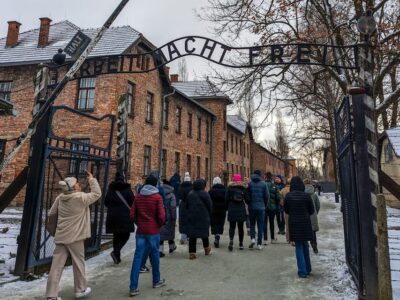
- Auschwitz-Birkenau with a local guide during a long on-site walking session
- Ghetto Heroes Square and the ghetto wall fragment that turn the story into visible reminders
- Wieliczka salt mine with major underground chambers and the St Kinga chapel
Kazimierz first, then Auschwitz: why the order matters
This tour sets you up for understanding, not just checking boxes. Starting in Kazimierz means you begin with a living, cultural Krakow, then you move toward what happened when that life was destroyed. That sequence makes the memorial sites hit harder in a good way, because you understand what was taken away.
It also helps your pacing. Day 1 is long, but it is made of many shorter stops, so you do not feel trapped in one location for hours. Day 2 is the emotionally intense one, with a long walking tour at Auschwitz-Birkenau. Day 3 then shifts to Wieliczka, where the main work is still respect, but the mood becomes less bleak and more curious.
Other Auschwitz-Birkenau guided visits on this site:
- From Krakow: Auschwitz-Birkenau Guided Tour & Hotel Pickup
★ 4.5 · 33,358 reviews - From Krakow: Auschwitz-Birkenau Guided Tour & Hotel Pickup
★ 4.5 · 29,340 reviews - Krakow: Auschwitz Guided Tour with Optional Hotel Pickup
★ 4.5 · 15,280 reviews
Szeroka Street and the synagogue circuit in Kazimierz
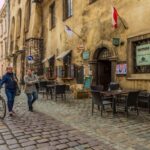
Day 1 begins where the Jewish community once pulsed through the streets. You head to Szeroka Street, described as the center of old Jewish culture, lined with synagogues, palaces, and tall houses dating to the 16th, 17th, and 18th centuries. Even if you only pause at the curb, this is one of those places where the street shape and architecture help you picture how the neighborhood functioned.
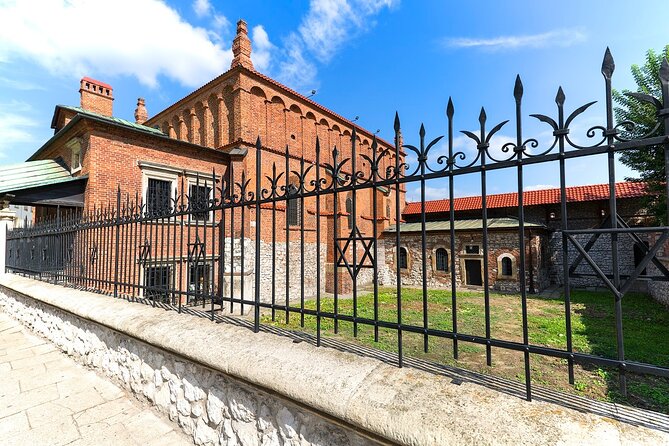
From there, you pass major synagogue sites. A big practical point: the program does not include entry inside for several of these stops. That does not make them less valuable, but it changes what you will get. Think of it like a guided exterior reading lesson, where your guide explains meaning through position, design choices, and community history, rather than through what you would see behind locked doors.
Here is how I’d frame each stop so you know what to expect:
- Old Synagogue, Stara Synagogue (Muzeum Krakowa): this is noted as the oldest preserved synagogue in Poland and a standout in Jewish religious architecture. You will not go inside on this tour, so focus on how the exterior and location relate to the neighborhood story. The time here is short, about 10 minutes.
- Remuh Synagogue (Synagoga Remuh): the stop is also short, and entrance inside is not part of the plan. Still, the exterior visit works well because Remuh is one of the names that anchors Krakow’s synagogue landscape in your mind.
- Kupa Synagogue (Synagoga Kupa): same idea, quick stop, outside look only. The guide’s context matters here, especially the detail that it was called Szpitalna because of its proximity to the former Jewish hospital, and that it was sometimes linked with the poorer members of the community.
- Tempel Synagogue: you get the place’s role as one of the four active synagogues in Krakow. You also learn that services are sporadic, but the area can host Jewish culture events and concerts, including around the Jewish Culture Festival. Again, plan on seeing it as part of the neighborhood map rather than an interior visit.
Between these stops, you swing by the Market Square (Plac Nowy). It used to be the Jewish Square, but now it is a social center with cafés and pubs around it. If your trip overlaps with weekdays, the square tends to show market life with stalls for vegetables and antiques. On Sunday mornings, it turns into a clothing market. Even without any deep shopping, this is a good place to pause and reset your eyes after synagogue architecture and street details.
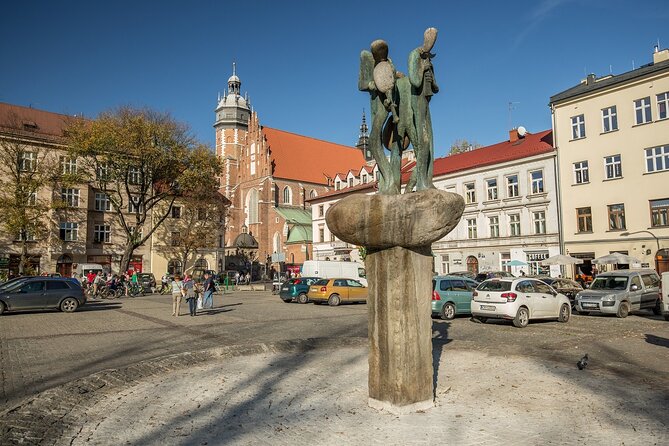
One extra twist on Day 1: you also visit Corpus Christi Church (Kosciol Bozego Ciala) from the outside (no interior entry). It is listed for its size and Gothic stone structure paired with baroque gold inside, which you will miss on this specific program. But its presence in the walk reminds you that Krakow’s religious landscape always shared space with Jewish life, even when the political story later turned brutal.
Father Bernatek Footbridge and the ghetto memory walk in Podgórze
After the Kazimierz sites, you cross the story into Podgórze. The Father Bernatek Footbridge, built in 2010 on the site of the former Podgórze bridge, physically connects the two neighborhoods. On a memorial day, it is not just a photo stop. It helps you feel that the geography itself mattered, because movement across the river shaped daily life, confinement, and transport routes.
Then the tour moves into the heart of ghetto memory.
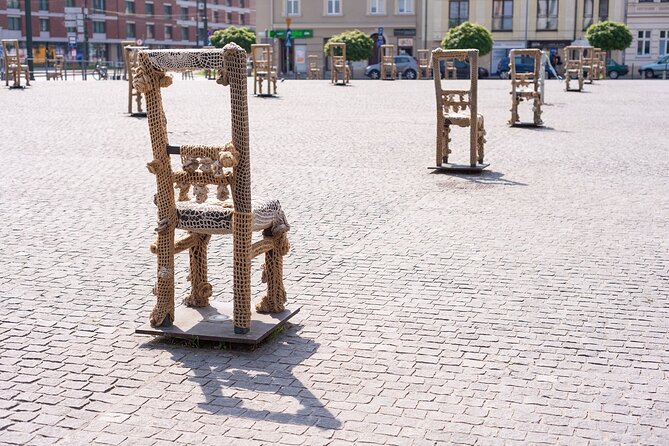
You arrive at Ghetto Heroes Square (Plac Bohaterow Getta). This is the square that sat within the ghetto during 1941 to 1943, and it is now marked with a striking monument: several dozen cast-iron chairs standing individually. The point is clear once you see it. The chairs are meant to symbolize items left behind during the ghetto liquidation.
Next comes the Ghetto Wall Fragment, a 12-metre stretch of original wall. There is a commemorative plaque raised in 1983 with text in Hebrew and Polish. The language on that plaque is the kind of thing that makes you slow down, not skim. This stop is only about 10 minutes, but it is the kind of 10 minutes that sticks.
One thing I appreciate here is that the tour does not rush you past everything. The stops are short, but they are spaced in a way that lets the message land. Still, bring your patience. You are moving through heavy material with a group, and the group pace will decide how long you get to stand and process.
Schindler’s Factory museum: how 90 minutes fits the story
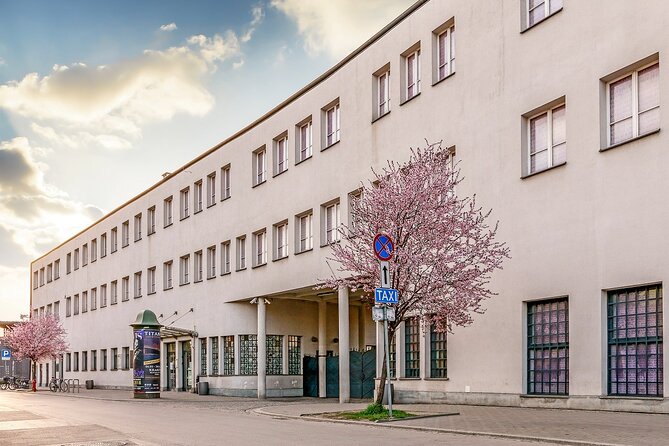
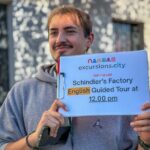
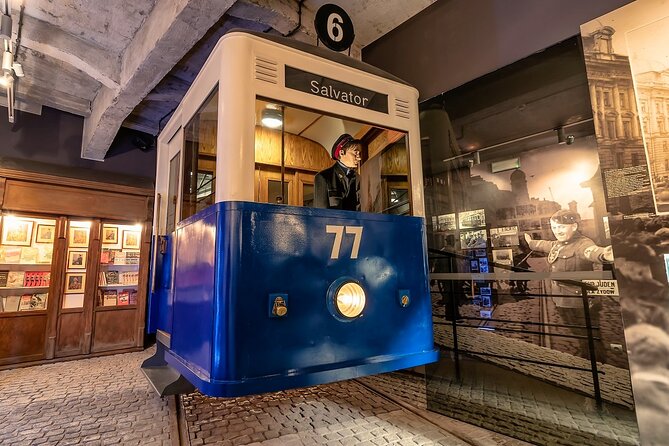
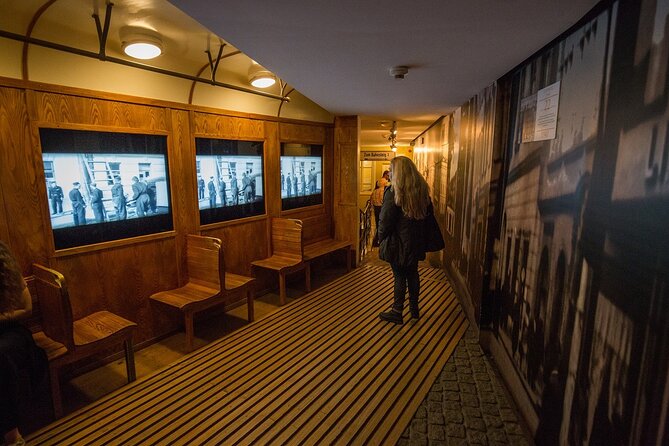
Day 1 ends with Schindler’s Factory (entrance included), around 1 hour 30 minutes. This is a museum that focuses on daily life in Krakow during World War II alongside tragic events. It is also housed at the location connected to the story made famous by Schindler’s List, but the key is that the exhibition is described as modern, and that modern approach helps many visitors stay engaged.
If you only have one museum slot on Day 1, this is a strong choice. You have already toured many exterior sites in Kazimierz and Podgórze, so the museum gives you a structured way to connect details. It also helps you shift from walking memorials into an organized narrative.
Practical note: 90 minutes can feel both short and just right. If you like reading and want to linger, you might wish you had more time, but you will likely still leave with a clearer picture than if you simply bounced between outdoor plaques.
Further Jewish history and heritage itineraries:
Auschwitz-Birkenau: the 7-hour day you should plan like a marathon
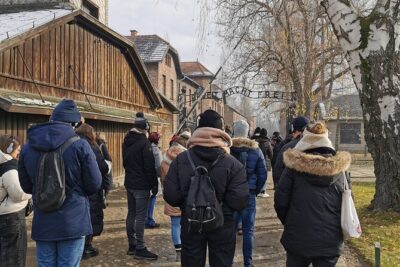
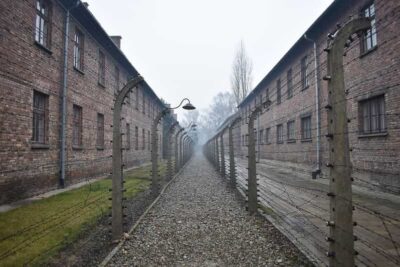
Day 2 is built around the Auschwitz-Birkenau Memorial and Museum, with transfer time included. The drive from Krakow takes about 1.5 hours, and the day runs 7 hours total. On site, you get a walking tour lasting over 3 hours with a local guide.
That long on-foot portion is the main event. The tour focuses on authentic places where millions of prisoners lived and died: prison barracks, walls of death, assembly squares, unloading ramps, ruins of crematoria, and personal belongings and documents. On paper, that sounds like a checklist. In real life, it becomes a slow, repeating pattern, because your guide ties each area to what happened there and what it meant.
This is not the day for multitasking. Wear shoes that you trust, bring layers, and keep your attention on the guide’s explanations. Even if you have read about Auschwitz before, a guided walk helps you understand how these locations connect into one system.
One more value point: the transfer and timing are included. That matters here because navigating the route on your own adds stress to a day that is already heavy. You want your mind focused, not on logistics.
Wieliczka salt mine: underground chambers that change the pace
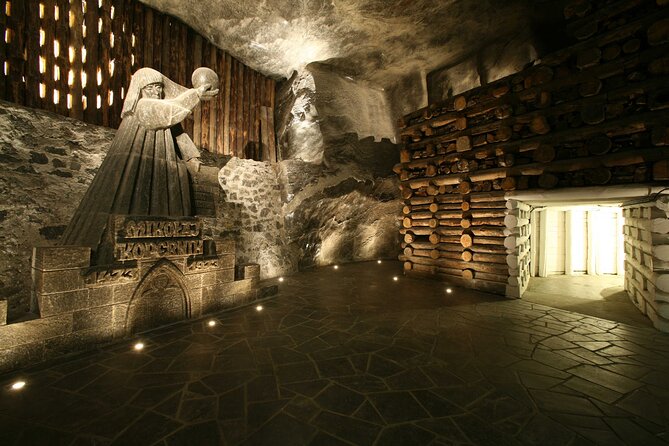
Day 3 goes to Wieliczka Salt Mine, with entrance included and a 4-hour visit. Unlike Day 2, this is a tour that is still grounded in history, but it is built around physical wonder and a different kind of storytelling.
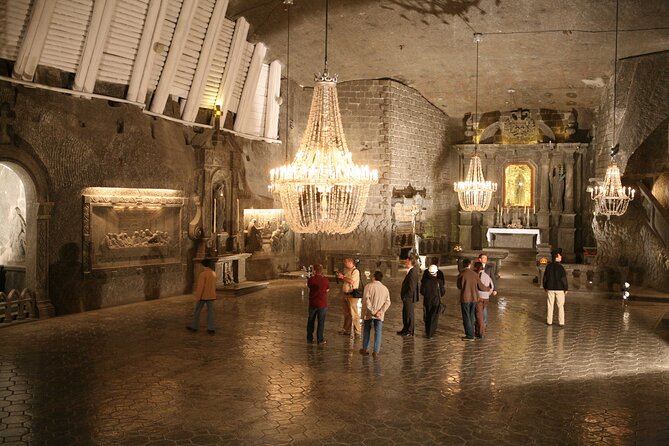
You will travel through chambers and drifts, past salt and wooden chapels, brine lakes, and views underground. The tour description also calls out that the route is like an expedition, not only into the earth but into centuries of mining. You might also notice how mining tools and traces of manual extraction show up as part of the story.
The headline spiritual stop is the chapel of St Kinga. The mine also gets described as a unique underground pilgrimage route, which helps you understand why this place is not just a tourist attraction. It is a living monument to how people made meaning out of a hard industry.
Now, the one consideration: the salt mine part can feel less satisfying if you expect a top-tier guide performance. One past traveler noted the salt mines portion was the weakest compared to the other days, so manage your expectations. The site itself is still worthwhile, but if your main priority is the depth of the narration, keep your focus on what you can see.
Price and value: what $252.86 buys you
At $252.86 per person for about 3 days, this price feels fair for what is included, especially because it bundles multiple big-ticket, high-cost items: Auschwitz-Birkenau entry, Wieliczka Salt Mine entry, and Schindler’s Factory entry, plus transfers between Krakow, Oswiecim (Auschwitz), and Wieliczka.
The guides are also included for the professional segments. That matters. For Auschwitz in particular, the difference between reading signage and hearing a clear local explanation can be huge.
What you should not count on is meals. Food and drink are not included, so budget for at least a couple of paid lunches or snacks, depending on how the timing lands each day. Also, remember the synagogue stops often do not include interior access. You are paying for context and guided route planning, not a schedule of museum-grade interior visits at every stop.
Given those factors, I’d call this good value if you want structure. If you love independent exploration and want full interior time inside every synagogue, you may feel limited.
Who should book this 3-day Jewish Krakow and memorial tour
This tour fits best if you want a guided framework that links neighborhood history to the atrocities that followed. You will also like it if you prefer not to juggle transportation between Krakow, Auschwitz, and Wieliczka.
It is also a good choice for first-timers to Krakow who want the major anchors without building their own itinerary from scratch. The group size is capped at 30, which is not tiny but usually keeps things organized.
You should also have moderate physical fitness, because Day 2 includes a long walking visit, and Day 1 has many stops in one day. You will be on your feet.
Finally, it is in English, which is a practical plus if you want explanations you can follow without waiting for translation.
Should you book this Jewish Krakow 3-day tour with Wieliczka and Auschwitz?
I’d book it if your goal is a structured, emotionally serious trip with built-in logistics. The combination works: Kazimierz and ghetto memorial sites give you context, Schindler’s Factory supplies a focused narrative, Auschwitz provides the solemn core, and Wieliczka offers a different kind of wonder to close the loop.
I would think twice if your priority is maximum interior access to every synagogue site on the Day 1 route. Since several stops do not include entrance inside, the experience will lean more toward guided viewing and explanation than full museum-style time.
Also, be realistic about Day 3 guide quality. If you tend to judge a tour mostly by the narration, you might want to adjust your expectations for the salt mine day and focus on the site itself.
If you are okay with those tradeoffs, this is a strong, value-heavy way to see the must-visit places around Krakow without the planning headache.
FAQ
What language is the tour offered in?
The tour is offered in English.
How long is the tour?
It lasts 3 days approximately.
What is the meeting point and start time?
The start is at Szeroka 24, 31-053 Kraków, Poland, with a start time of 10:00 am. The end is at Przystanek Turystyczny Kiss&RideWielopole 2, 31-072 Kraków, Poland.
Are synagogue entrances included on Day 1?
The program does not include entrance inside for several synagogue stops, including Stara Synagoga, Remuh Synagogue, Kupa Synagogue, and Tempel Synagogue. Time at each is short.
Which museum or attractions are included with admission?
Schindler’s Factory museum admission is included. Auschwitz-Birkenau Memorial and Museum admission is included. Wieliczka Salt Mine admission is included.
How long is the Auschwitz-Birkenau visit and how does travel work?
Driving from Krakow to Auschwitz takes about 1.5 hours. On site there is an over 3-hour walking tour with a local guide. Return to Krakow happens in the evening, and the full day is 7 hours.
How long is the Wieliczka Salt Mine visit?
The Wieliczka Salt Mine visit is listed as 4 hours.
Are meals included?
No. Meals and food and drink are not included.
What is the group size limit?
The tour has a maximum of 30 travelers.
What is the cancellation window?
Free cancellation is available if you cancel up to 24 hours in advance for a full refund. If you cancel less than 24 hours before the start time, you will not receive a refund.
Chambers Carved in Salt
- Krakow: Wieliczka Salt Mine Tour with Entry Ticket
★ 4.6 · 10,927 reviews - From Krakow: Wieliczka Salt Mine Tour
★ 4.6 · 9,393 reviews - Krakow: Auschwitz-Birkenau and Salt Mine Guided Tour
★ 4.7 · 9,020 reviews - Krakow: Wieliczka Salt Mine Fast-Track Ticket & Guided Tour
★ 4.5 · 5,872 reviews
Freshly posted from Krakow
- Krakow: Audio-Guided City Experience by Golf Cart★ 5.0 · 1 review
- Krakow: Zakopane and Thermal Springs Tour with Hotel Pickup★ 5.0 · 1 review
- Half-day In the footsteps of John Paul II Tour from Krakow★ 5.0 · 1 review
- Tour to Wadowice: Hometown of Pope Saint John Paul II★ 5.0 · 1 review
- Krakow: Wawel & Salt Mine Experience with Lunch★ 5.0 · 1 review
- Krakow: Nowa Huta Communist District Walking Tour★ 5.0 · 1 review
- Krakow: Outdoor Paintball with Hotel Transfers★ 5.0 · 1 review
Auschwitz-Birkenau Guided Tours, compared.
Auschwitz-Birkenau Guided Tour & Hotel Pickup
Read our review →Auschwitz-Birkenau Guided Tour & Hotel Pickup
Read our review →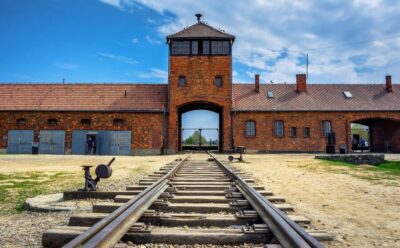
Auschwitz Guided Tour with Optional Hotel Pickup
Read our review →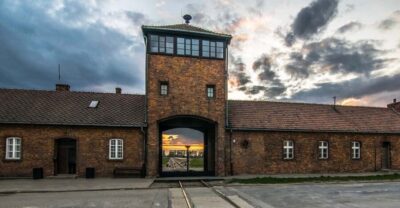
Auschwitz-Birkenau Guided Tour with Pickup & Lunch
Read our review →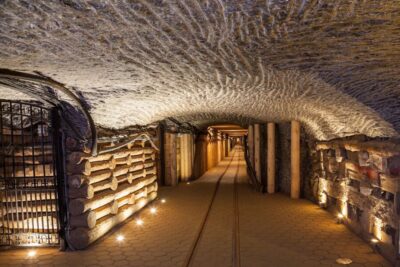
Krakow to Auschwitz Birkenau Guided Tour with Transfer and Ticket
Read our review →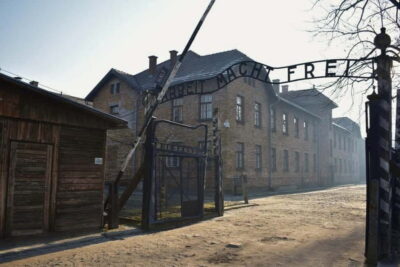
Auschwitz-Birkenau Guided Tour or Self-Guided Tour
Read our review →Browse the lists this tour appears in