
Reviewed · WALKING TOURS
Gdansk Highlights & Hidden gems Private Walking Tour With A Guide
Danzig stories start on Długi Targ. This private walking tour ties together the postcard stops of Gdansk’s Old Town with two very different pieces of the city, Oliwa’s calm park setting and Westerplatte’s World War II battlefield site. I like that it stays private and exclusive, so you are not sharing the guide with strangers, and I like the range of stops, from Royal Route landmarks to a solemn modern-history moment.
One thing to watch: a past guest mentioned their guide, Gabrielle, was pleasant and eager, but the commentary felt light. If you want lots of deep narration at each stop, you should speak up early and guide the guide toward your interests, so the walk works for you.
In This Review
- Key things you’ll notice on this Gdansk walk
- A 3-hour loop that strings Gdansk together on foot
- Starting at Długi Targ, the best way to get oriented
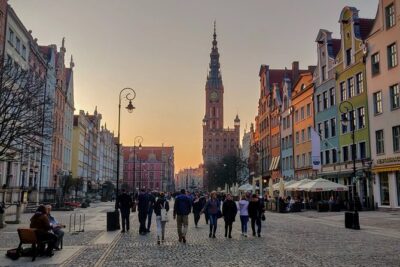
- Walking Długa Street on the Royal Route
- Neptune’s Fountain on Długi Targ Square
- St. Mary’s Church, a brick giant
- Long Market and the Green Gate area
- Mariacka Street and the story of amber
- Through St. Mary’s Gate and out to the Golden Gate
- Oliwa Park: your quiet pause before Westerplatte
- Westerplatte, the World War II starting point
- Price and value: is $123.96 per person worth it?
- What the tour includes, and what you handle yourself
- Walking comfort and pacing tips for a 3-hour day
- Who should book this private Gdansk highlights and lesser-known stops tour?
- Should you book this tour?
- FAQ
- How long is the Gdansk highlights and lesser-known stops private walking tour?
- Is this tour private?
- What language is the guide?
- Where do we start, and where does it end?
- Are entrance fees included for monuments and museums?
- Can I cancel and get a full refund?
Key things you’ll notice on this Gdansk walk
- Private, one-group experience: you walk with an English speaking guide and no one else in your group.
- Royal Route basics: Długa Street and Długi Targ Square give you the classic Old Town rhythm.
- Icon photos with context: Neptune’s Fountain and the Green Gate area are more than quick pictures.
- Big brick church stop: St. Mary’s Church is a standout structure, even from the outside.
- Oliwa for a breather: a park-side pause before ending at the weightier Westerplatte site.
- Westerplatte in 20 minutes: you get the main story beat without turning the tour into a museum marathon.
A 3-hour loop that strings Gdansk together on foot

This is a 3-hour walking tour that works best if you like moving through a city with someone who can spot what matters. The pacing is simple: you start in the Old Town core, work your way past famous streets and gates, then head outward to Oliwa before finishing at Westerplatte by the port area.
Because this is a city walk rather than a door-to-door museum day, you will spend most of your time seeing and learning from what’s in front of you. That makes it a good fit for first-time visitors who want bearings fast, and also for repeat travelers who need a clean route that connects major landmarks.
More Walking Tours in Gdansk
- Gdańsk City Sights & History Guided Walking Tour in English
★ 4.8 · 876 reviews - Main Town Gdańsk Walking Tour
★ 5.0 · 644 reviews - Discover Gdansk Walking Tour
★ 5.0 · 495 reviews
Starting at Długi Targ, the best way to get oriented
You meet at Długi Targ 20, right by the Old Town’s main public space. From there, you are immediately in the middle of the action and the architecture, so the tour starts with context rather than a long travel intro.
You also end back at the same meeting point. For me, that matters because it removes the stress of figuring out how to get home after a half-day on your feet. If you are planning lunch or an afternoon in the city center right after, this layout keeps things smooth.
The tour is also designed to be flexible. It’s described as customizable, and the operator includes help with booking tickets for any desired visits. One practical takeaway: if you know you want to add or skip certain inside visits on your own, tell the guide your preference early so the timing stays comfortable.
Walking Długa Street on the Royal Route
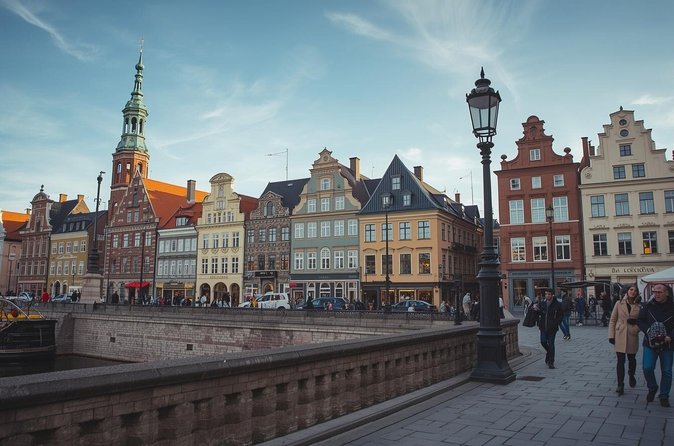
The first major stop is Długa Street, part of Gdansk’s Royal Route, a long stretch of colorful townhouses, shops, and café life. This is the sort of place where the details do the work. You are not just strolling past buildings, you are using the street as a timeline of how the city’s old power and trade routes shaped daily life.
What I like about starting here is that it gives you a sense of style right away. Gdansk’s façades can look similar at a glance, but as you slow down, you start noticing differences in how ornament is used and how the street’s layout supports foot traffic and commerce.
A drawback to keep in mind is also simple: it is still a walk. If you arrive expecting lots of sitting and deep stop-by-stop storytelling, you may feel the same frustration a previous guest described: a lot of motion, not always a lot of spoken detail.
Neptune’s Fountain on Długi Targ Square
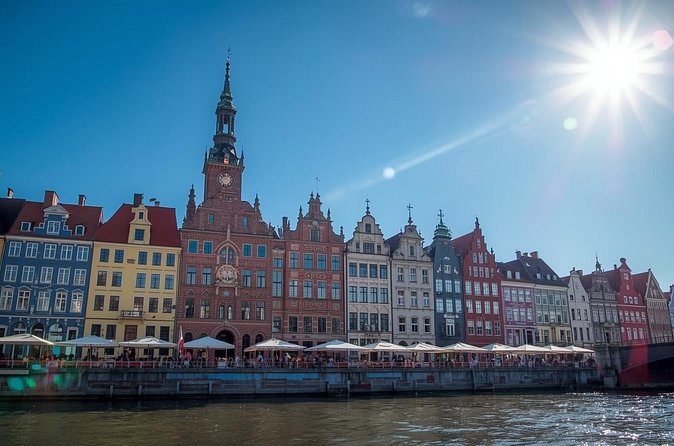
Next you pause at Neptune’s Fountain (Fontanna Neptuna) in the heart of Długi Targ Square. The tour focuses on symbolism and legend, including the story of Neptune and why the fountain matters to Gdańsk.
This is one of those city stops that works for both history buffs and casual sightseers. You get an instantly recognizable landmark, but the value is in understanding what it represents for the city. If you like street-level myths and how they get tied to civic pride, you’ll get more out of this stop.
If you are the type who likes to read from a distance, you can do that here too. The fountain’s meaning is easy to connect to the surrounding public square, so even if your guide’s narration is brief, the setting still does a lot of the educating.
More Polish squares crossed on foot:



St. Mary’s Church, a brick giant
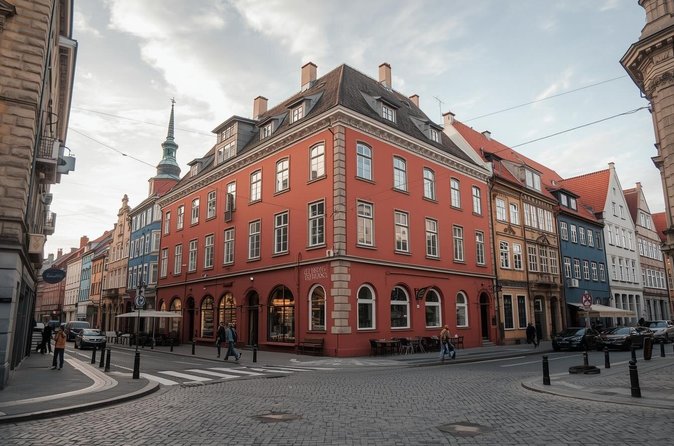
The tour then heads to St. Mary’s Church, described as one of the largest brick churches in the world. That alone is an impressive hook, but the bigger benefit is that the church’s scale helps you understand why Gdansk’s Old Town feels so strong.
Even without an inside focus, it’s a powerful stop. Brick church architecture has a particular presence, you tend to notice how massing and surface textures work together. It also gives you a clear contrast point versus the merchant-minded streets and squares you visited earlier.
If you are curious, ask the guide what features you should look for from the outside. When you get a guide who gives even a few targeted pointers, you start seeing the building in a new way.
Long Market and the Green Gate area

After the church stop, you move across the Dlugi Targ Square, also known as Long Market. The tour frames this as the Old Town’s main thoroughfare, and it connects the landmark buildings along the route to what they used to do and how they shaped city life.
Two specific names come up here: the Green Gate and Artus Court. You are not just learning their names, you are getting the idea that these structures were tied to commerce, civic gatherings, and the way people organized power.
This is also a great area to check your own travel rhythm. If you like to wander and take extra photos, you can often do it here without breaking the overall flow. Just remember, the tour is time-boxed, so if you add stops on your own, keep an eye on the group pace.
Mariacka Street and the story of amber
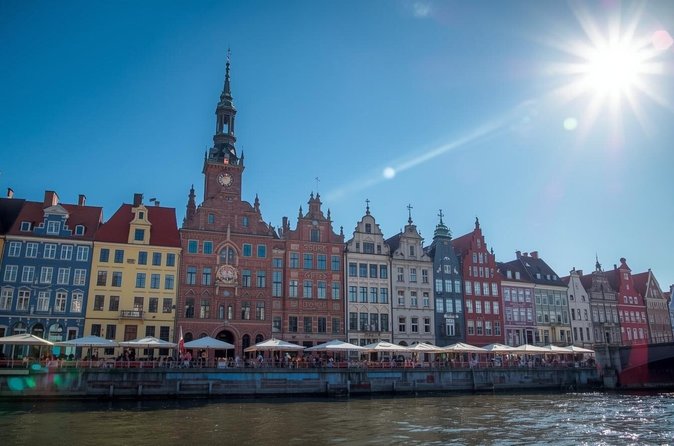
One of the more memorable sections for many visitors is Mariacka Street (Ulica Mariacka), known for cobblestones and the way the street brings historic façades close together. The tour emphasizes Gdansk’s amber trade, including the ornate amber shop fronts that line the street.
I like this stop because amber is one of those local materials you can actually shop for later, so the topic has a real-world payoff. Even if you do not buy anything, you walk away with an idea of why amber matters here, which makes the storefronts feel less decorative and more meaningful.
Practical note: this part of Old Town can be visually tempting. Decide early whether you want a quick look or a slower browse. If you want to do more shopping, tell your guide so they can factor in your pace.
Through St. Mary’s Gate and out to the Golden Gate
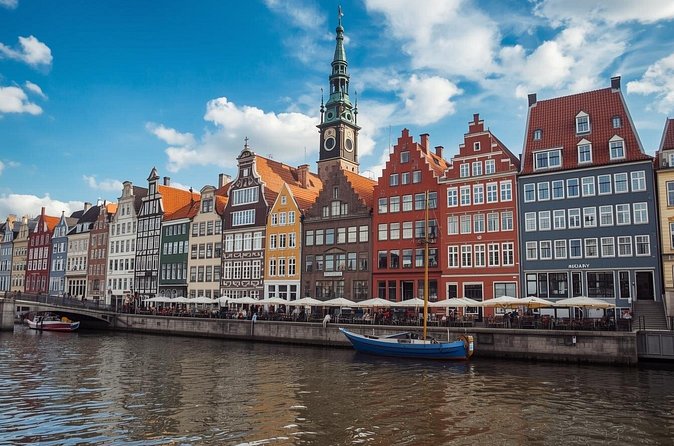
The route then reaches St. Mary’s Gate, followed by Langgasser Tor (Goldenes Tor), the Golden Gate. The point of these stops is not just that gates look dramatic. It’s that gates define the original boundaries of the medieval Old Town and shaped how people entered, moved, and controlled access.
St. Mary’s Gate gives you a view into street life, and it’s a good chance to reset your bearings. You get that feeling of stepping from one “layer” of the city into another.
Then the Golden Gate comes in as the grand finale of the medieval corridor. The tour presents it as an iconic symbol of architectural grandeur and as a main entrance in medieval times. When a guide links that architecture to how the city worked day-to-day, these gates stop feeling like scenery and start feeling like infrastructure.
Oliwa Park: your quiet pause before Westerplatte
After the Old Town gates and streets, you go to Oliwa Park, a tranquil break outside the city center. The stop highlights lush greenery, ponds, and manicured gardens. This is one of the smartest choices in the itinerary because it changes the mood of the day.
A park stop on a walking tour is not just for comfort. It gives your brain a chance to reset, and it makes the contrast with Westerplatte more powerful later. You are basically switching from “city identity” to “city consequences,” and the transition is easier when you have a calm pause in between.
You also visit Oliwa Cathedral, noted for stunning Baroque architecture and famous organ concerts. The information provided focuses on the building style and the organ reputation, so even if you do not plan to attend a concert, you still get a sense of why Oliwa is known beyond the park.
Westerplatte, the World War II starting point
The final major stop is Westerplatte, a peninsula at the entrance to the port of Gdańsk. The tour highlights the significance of this site as the place of the first battle of World War II in September 1939. You also spend time at the Westerplatte Monument to learn about what happened there.
This is the emotional anchor of the walk. Everything you saw earlier deals with Gdansk’s identity as a trade and civic hub, and now you are looking at a turning point. The location by the port matters, because it connects the historical story to the physical geography that shaped conflict.
If you want to get the most out of this stop, slow down mentally. Even a short 20-minute visit can land well when you let it. Read what’s presented, look for how the monument frames the place, and if your guide is chatty, ask a direct question about what made this site the starting point.
Price and value: is $123.96 per person worth it?
The price is $123.96 per person for about 3 hours, and that number can feel high or fair depending on what you want from the day.
Here is what makes it potentially good value:
- You get a private and exclusive tour, meaning you are not splitting the guide time with strangers.
- The tour is built around major sights and set stops, so you are not guessing your way around the Old Town.
- You have in-person English guidance, and the operator includes help booking tickets for any desired visits.
- Several stops are set up with free admissions for the time spent at each location, so your money is focused on guidance rather than entrance fees.
What can make it feel less worth it:
- The tour is a walk and described as a city tour, not a deeper inside monument experience. If your dream day is museums and long interior visits, you might need to plan extra time beyond this tour.
- Based on feedback connected to a guide named Gabrielle, the amount of spoken detail can vary. Friendly and eager is good, but if you want stronger narration, you will want to set expectations early.
My practical suggestion: if you book, come with 2 or 3 questions you care about. It helps you turn “nice walk” into “useful walk.”
What the tour includes, and what you handle yourself
This experience includes the guide service, the walking tour format, and the private nature of the group. You also get a mobile ticket and the team’s help with booking tickets for desired visits.
What is not included is also clear:
- Drinks or food
- Tips (optional)
- Transportation costs
- Entry to monuments and museums
So plan around it like this: bring water, wear comfortable shoes, and treat this as a guided orientation walk plus landmark stops. If you decide you want to go inside a place during the day, use the included guidance help to figure out timing and tickets.
Walking comfort and pacing tips for a 3-hour day
This is a city walk with nine stops across varied areas. That means you should plan for standing, sidewalks, cobblestones, and a steady pace.
I recommend:
- Wear shoes you trust on cobblestones, especially around Mariacka Street.
- Bring water since drinks are not included.
- Use the park stop in Oliwa as your chance to breathe, not your chance to rush photos.
- If you have mobility needs or fatigue, tell the guide early and ask for a pace that works for you.
The best results come when you match your expectations to the format: guided viewing, short stops, and a route that covers big themes quickly.
Who should book this private Gdansk highlights and lesser-known stops tour?
This tour is a strong match if you:
- Want a first-timer friendly route through classic Old Town landmarks like Długa Street, Neptune’s Fountain, and St. Mary’s Church.
- Also want a contrast stop at Westerplatte without turning the day into a museum binge.
- Prefer the comfort of a private guide who can tailor things to your interests.
It may be less ideal if you:
- Expect lengthy, highly detailed narration at every stop.
- Want a heavy focus on interior monument visits rather than outside viewing and quick explanation.
Should you book this tour?
Book it if you want a practical, well-connected walk that hits Gdansk’s headline sights and ends with a meaningful historical place at Westerplatte. The private format and English speaking guide make it easier to ask questions and get answers on the spot.
Before you book, do one simple thing: prepare your top interests. If you care about amber trade, ask about it. If you care about the WWII story, ask how the site fits into September 1939. And if you want more storytelling than short prompts, say so at the start. With that approach, you turn a 3-hour sightseeing loop into a day that feels worth the money.
FAQ
How long is the Gdansk highlights and lesser-known stops private walking tour?
It lasts about 3 hours.
Is this tour private?
Yes. It is private and exclusive, and only your group participates.
What language is the guide?
The tour is offered with an in-person English speaking guide.
Where do we start, and where does it end?
You start at Długi Targ 20, 80-828 Gdańsk, Poland, and the tour ends back at the meeting point.
Are entrance fees included for monuments and museums?
No. Entry to monuments and museums is not included, and it is described as a city tour rather than an inside monument tour.
Can I cancel and get a full refund?
Yes. There is free cancellation, and you can cancel up to 24 hours in advance for a full refund.
Freshly posted from Gdansk
- 1-Day Private Tour Stutthof Concentration Camp and Malbork Castle★ 5.0 · 1 review
- Oliwa Cathedral in Gdansk & Trip to Park – 2h private trip by luxury car★ 5.0 · 1 review
- Private Bartending Workshop in Gdańsk★ 5.0 · 1 review
- A Two Hour Walking Tour in Old Town Gdansk★ 5.0 · 1 review
- Gdańsk Private Romantic Sunset Cruise★ 5.0 · 1 review
- Sopot: Old Town Highlights Private Walking Tour★ 5.0 · 1 review
- Surprise Walk of Gdansk with a Local★ 5.0 · 1 review
Walking Tours, compared.

Old Town Krakow & Wawel Castle Walking Tour
Read our review →

Gdańsk City Sights & History Guided Walking Tour in English
Read our review →

Browse the lists this tour appears in