Reviewed · WARSAW TOURS & ACTIVITIES
Exploration tour through the district of Praga – authentic and legendary
Praga feels like Warsaw before the big show. This 2-hour walk is built around the right bank of the Vistula, where trade and industry shaped a mixed neighborhood of Christians, Jews, and Orthodox people. I especially like how the route connects past and present, showing you Praga as it was, and Praga as it is now. You get real neighborhood context and the kind of story-led stops that make the district click fast.
The best part for me is the guide energy. In one review, Marzena stood out for being highly informed and genuinely caring, sharing sharp local details and also helping connect Praga to broader Warsaw and Poland. You’ll also like the practical structure: a short, focused route with clear pauses at key sights, so you’re not trudging around for hours just to say you saw something.
One thing to keep in mind: a few stops involve sites where admission is not included, so you may want a small extra budget for entry fees you decide to pay (or skip) on the day. Still, many stops on the walk are free to enter, so it’s not a budget disaster.
In This Review
- Key things you will love in Praga
- Praga in 2 hours: the right-bank Warsaw you did not plan for
- Meeting point at Solidarności and the route logic
- A guide-led start: St. Michael the Archangel and St. Florian
- Pomnik Praskiej Kapeli Podworkowej: the backyard music side of Praga
- Jagiellońska street: Jewish Warsaw that survived on the right bank
- Józefa Sierakowskiego: why Praga connects to Prague and to WWII reality
- Miejski Ogrod Zoologiczny: The Zoo Director’s Wife connection in real streets
- Bazar Rozyckiego: trade, benefactors, and the Eldorado idea
- Polish Vodka Museum: shrines, factories, and the national drink story
- Price and value: what $70.01 buys you
- Who should book this Praga walk
- Quick practical advice for a smoother day
- Should you book it?
- FAQ
- How long is the Praga walking tour?
- Where does the tour start and end?
- Is this tour private?
- Is a mobile ticket provided?
- Are entrance tickets included for all stops?
- What is the cancellation policy?
Key things you will love in Praga
- A right-bank Warsaw story that feels different from the Old Town view most people start with
- A guide like Marzena who adds both local color and clear historical context
- Walkable contrasts between WWII survival and postwar neglect on the same streets
- Food-and-business style history, including Praga’s reputation for trade and free-market energy
- Pop-culture through real places, via the zoo story tied to The Zoo Director’s Wife
- Vodka history with an easy finish, ending near Koneser for your own exploring
Praga in 2 hours: the right-bank Warsaw you did not plan for
Most first-time Warsaw plans focus on the left bank and the big postcard sights. Praga offers a different angle, literally on the other side of the Vistula. This is Warsaw’s working district, historically shaped by commerce and industry, and it once held multiple religious communities side by side. On this tour, you get the sense that Praga is not just a collection of buildings. It’s a place where the economy, migration, and everyday life left visible marks.
What makes this timing work is the “just enough” approach. It’s about 2 hours, which is ideal when you want depth without turning your day into a marathon. The pace also helps you keep your bearings, because you’re moving through recognizable themes: architecture that survived, streets linked to Jewish Warsaw, and modern-day conversions into cultural spaces.
Still tacked up around Warsaw
- Warsaw: Chopin Concert in the Old Town
★ 4.8 · 2,287 reviews - Warsaw: Traditional Galar Cruise on The Vistula River
★ 4.6 · 1,640 reviews - Warsaw: Old Town Highlights Walking Tour in English
★ 4.7 · 1,516 reviews
Meeting point at Solidarności and the route logic
You start at the Metropolitan Cathedral of Saint Mary Magdalene, Solidarności 52, 03-402 Warszawa. From there, the tour walks you into Praga’s character as you go stop to stop, with short segments that keep the story from dragging.
One practical plus: the tour is listed as near public transportation, so if your timing is slightly off, you usually have a way back without stress. You also get a mobile ticket, which saves you time if you are juggling multiple bookings.
This also ends in a smart place for continuation. The tour finishes around Ząbkowska 29 on the way toward the Koneser vodka factory grounds, where you then have time to explore on your own. That matters because the last part of the walk includes vodka history, so you’re not stuck in a dead end afterward. You can transition into food, drinks, or extra wandering without needing a new plan.
A guide-led start: St. Michael the Archangel and St. Florian
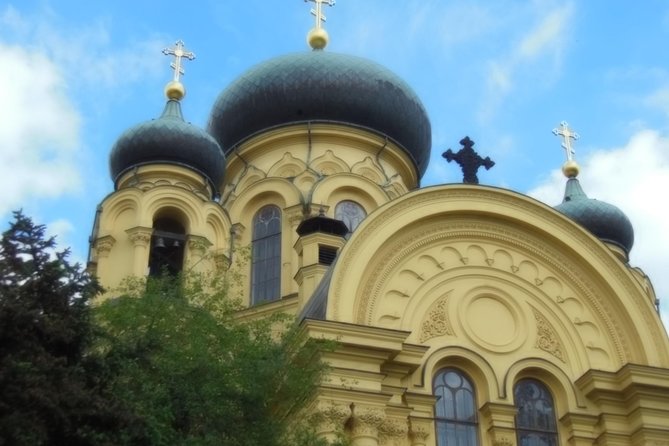
Your first stop is the Cathedral of St. Michael the Archangel and St. Florian the Martyr. This is a good opener because it sets tone immediately. It anchors you in the religious and cultural life that defined Praga long before today’s trend-district labels.
You should expect about 20 minutes here, and admission is listed as free. Even if churches are not your thing, I like how this kind of stop gives you something to hold onto while you walk. You start to see the district as a place with spiritual, social, and community functions, not just buildings.
A small consideration: since it’s a cathedral, it can be busy at certain times. If you’re visiting during a peak hour, arrive with a bit of patience and keep an eye on signage about where you can walk and where you should pause.
Pomnik Praskiej Kapeli Podworkowej: the backyard music side of Praga
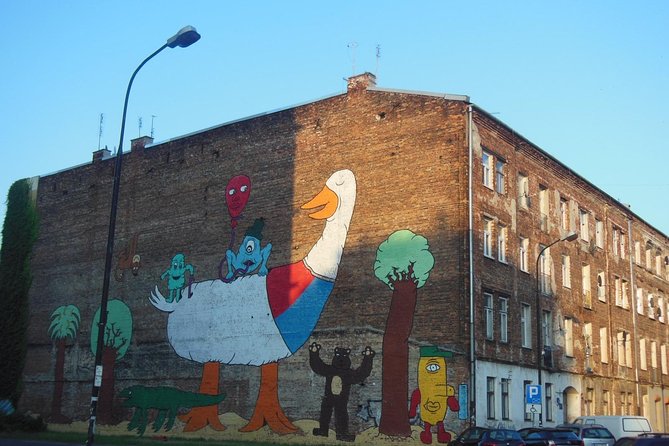
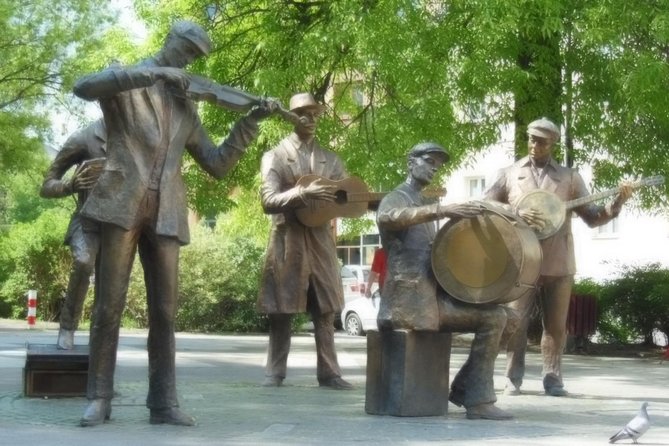
Next up is the Pomnik Praskiej Kapeli Podworkowej. This stop is shorter at about 15 minutes, and admission is listed as not included. I like this because it hints at Praga’s “small life” stories. Big monuments are one thing, but street-level traditions like local music culture help you understand what residents did after work, not just what institutions looked like.
The name points to an imaginative side of Praga, connected to backyard chapels and local characters described as residents who shaped the image of the district. Even if you do not spend long here, you’ll get the sense that Praga’s identity has always been about community routines, not only major events.
If you prefer minimal stops on monument-level points, this is the kind of place you can treat as a quick orientation marker rather than a main attraction.
Beneath the newer pins on the Warsaw board:



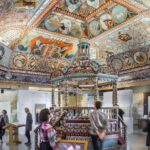
Jagiellońska street: Jewish Warsaw that survived on the right bank
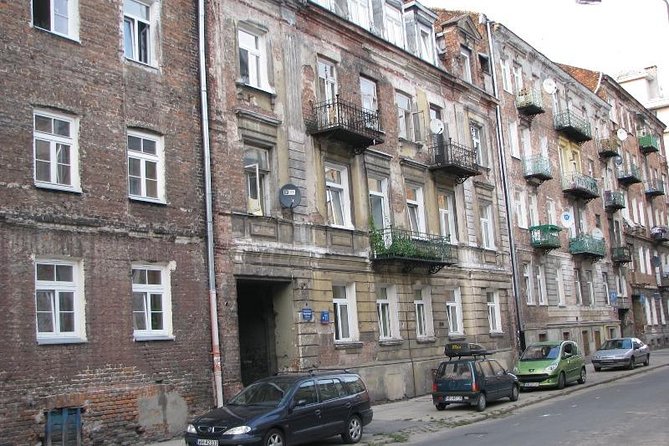
At Jagiellońska, the tour shifts into Jewish Warsaw. The key detail here is that the right bank was largely spared from war damage compared with other parts of the city. That means you are not just hearing stories about what used to be there. You get to see the kind of setting where original houses and shops existed.
The itinerary includes discovery of the former Jewish student residence and a mikvah. That’s exactly the sort of specific, grounded detail that makes a walking tour feel honest. It also helps you understand Praga’s multicultural identity in physical form: spaces were built for community life, study, and religious practice, not just for housing.
Admission is listed as free for this stop, and it’s about 15 minutes. The only caution is time and focus. This section relies on your guide’s explanation to connect small streets and buildings to the bigger picture. Listen closely here, because the value is in the interpretation.
Józefa Sierakowskiego: why Praga connects to Prague and to WWII reality
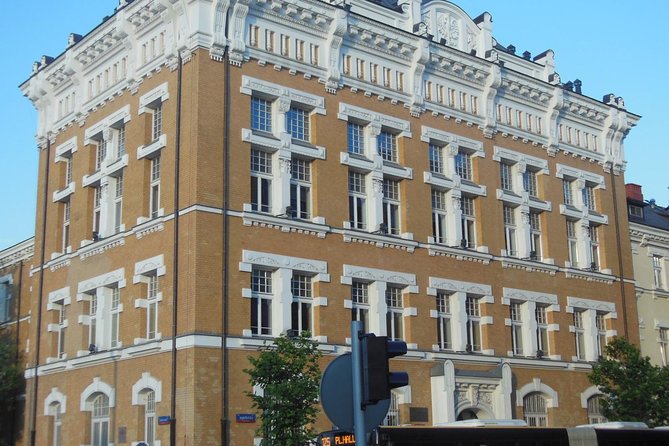
The tour then moves to Józefa Sierakowskiego, for about 20 minutes. This stop brings in a fascinating thread: the connection between Praga and the Czech capital. The tour also explains why the district’s housing stock faced extreme survival odds, with three quarters of the houses barely making it through WWII.
Then comes a second layer that I found especially relevant for modern travelers. The tour talks about how, during communism, old houses did not fit the idea of the new man. That’s not just a political talking point. It’s why you see the tension between preservation and transformation across the district.
Admission here is listed as free. Still, I recommend you take a few minutes to look at the street edges and not only the “main” sights. The tour’s whole theme is how Praga’s buildings show the district’s history.
Miejski Ogrod Zoologiczny: The Zoo Director’s Wife connection in real streets
Stop 5 is Miejski Ogrod Zoologiczny w Warszawie, the Warsaw Municipal Zoo, with about 15 minutes. Admission is listed as not included.
Here’s what makes this stop unusual, and why I think movie lovers will perk up. The tour connects the area to an authentic story tied to the zoo director’s villa, and that story forms the basis for the plot of Niki Caro’s film The Zoo Director’s Wife.
Even if you have not seen the film, this angle works because it uses a familiar pop-cultural reference to get you thinking about real people and real places. It also breaks the rhythm, so you are not only dealing with war and religion.
If you want to enter the zoo grounds, you may need to handle tickets separately. Since admission is not included, check your own comfort level with paying on top, or simply use this as a story stop and keep moving with the tour.
Bazar Rozyckiego: trade, benefactors, and the Eldorado idea
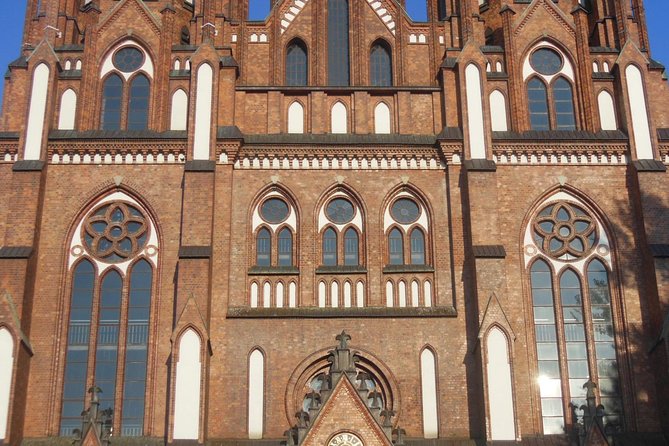
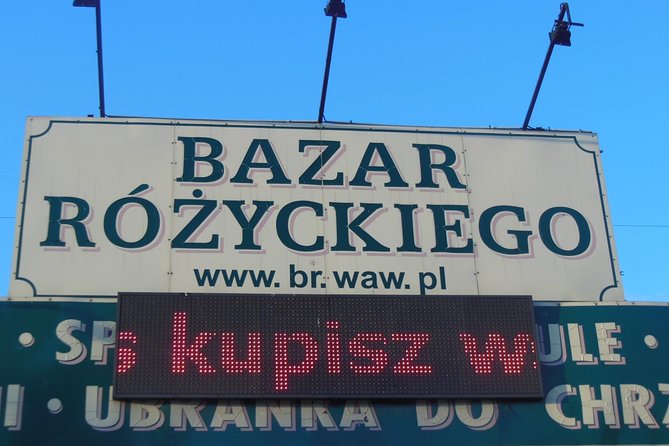
Next is Bazar Rozyckiego, about 20 minutes, with admission listed as free. The tour returns to the “Praga as Eldorado” idea, focused on business people and benefactors who found the right bank attractive for trade.
This is where Praga stops feeling like a history lecture and starts feeling like economic geography. You begin to see why Praga’s identity is tied to movement of goods, money, and people. That same engine shaped the district’s multicultural mix in the past, and it still shapes the feel today.
Admission is free here, so you can spend your attention on what the guide is describing rather than worrying about the cost side. Still, like other street-based stops, the quality depends on the narration. When the guide ties a market setting to past survival and later transformation, the details snap into place.
Polish Vodka Museum: shrines, factories, and the national drink story
The final thematic stop is the Polish Vodka Museum, about 15 minutes, and admission is listed as not included. This is an easy place to decide how you want to finish the day. If you love food and drink history, it’s worth leaning in. If you’re more architecture-focused, you can treat it as a short primer and focus on what’s around you afterward.
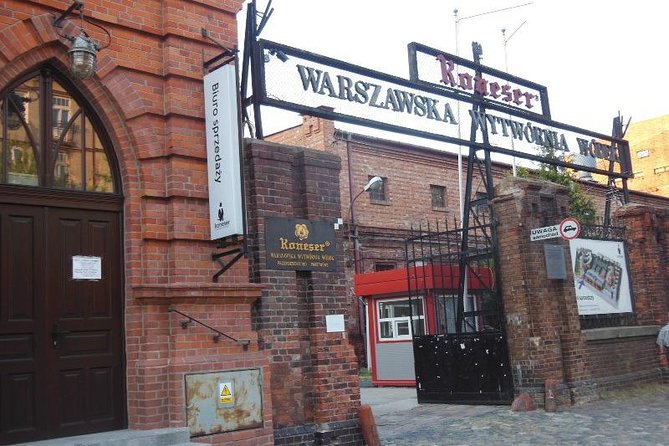
The tour description points out a mix of things you’ll see in the surrounding area: religious buildings and shrines, apartment buildings, and brick factories that are being converted into cultural centers. That matters because the vodka story here is not only about the drink itself. It’s about how industrial buildings become part of a new city identity.
You’ll also learn more about Poland’s national drink, vodka, and its history. Then the tour ends with time for your own exploring near Koneser, which is a perfect follow-through when you want to keep the momentum rolling.
If you decide to pay admission, plan for the fact that the museum is an add-on cost. If you decide to skip, you can still get plenty from the surrounding context and then focus on the Koneser area independently.
Price and value: what $70.01 buys you
At $70.01 per person for a roughly 2-hour walking tour, the price is not the cheapest option in Warsaw. So the value question is simple: do you want a story-driven route with a licensed guide and a district that many people ignore?
From what the tour provides, I think it’s fair value when you want more than a self-guided stroll. You’re paying for:
- A licensed city tour style of guiding
- A structured route with multiple story stops
- Group discounts (if you are traveling with others)
- A private tour setup where only your group participates
The private-group feel can be a big deal. When it’s just your group, guides can slow down for questions or tailor the pace. The reviews reflect that kind of engagement, especially with Marzena’s commitment and empathy.
Where it can feel less great is if you are budget-tight and plan to skip anything with additional entry fees. Some stops are free, but others are not included, so your final spend may edge above $70 depending on what you choose.
Who should book this Praga walk
This tour is ideal for you if:
- You want Warsaw beyond the classic Old Town photo set
- You like walking tours that connect buildings to real social history
- You enjoy local guides who can explain why places feel the way they do
- You want a short, high-impact plan that fits into a busy itinerary
It’s also a good match if you have movie interest, due to the Niki Caro film connection at the zoo-related stop. And if you like food and drink culture, the vodka finish gives you an easy next step.
If you only want top-ticket paid attractions, you might feel the tour is too reliant on walking and interpretation. But if you like context, this is the type of experience that pays off in your understanding.
Quick practical advice for a smoother day
- Wear shoes you trust. Praga is walk-forward, and the tour sticks to short stops rather than long transit breaks.
- Bring a little cash or card readiness for any not included admissions, especially if you want to go into the Polish Vodka Museum or the zoo-related area.
- Decide how you like tours: if you prefer chatty explanations, show up ready to listen. The value here comes from the guide’s story glue.
- After the tour ends near Koneser, use that free time to keep exploring rather than rushing to catch the next thing.
Should you book it?
If you want an authentic-feeling Warsaw district that most visitors only pass through, I’d book this. The tour’s biggest strength is how it turns Praga into a readable place, from WWII survival realities to the way trade culture shaped neighborhood life. The guide quality matters too, and Marzena is specifically praised for knowledgeable and empathetic storytelling.
The only “don’t book yet” reason is the one you can plan around: a few stops have admissions not included, and your total day cost can rise. If you budget for that and you’re open to short, story-focused stops, this feels like a smart use of a couple hours in Warsaw.
FAQ
How long is the Praga walking tour?
The tour lasts about 2 hours.
Where does the tour start and end?
It starts at the Metropolitan Cathedral of Saint Mary Magdalene, Solidarności 52, and ends at Ząbkowska 29. The tour finishes on the grounds of the Koneser vodka factory, where you have time for your own explorations.
Is this tour private?
Yes. It’s a private tour/activity, and only your group participates.
Is a mobile ticket provided?
Yes. The tour includes a mobile ticket.
Are entrance tickets included for all stops?
No. Some stops list admission ticket as free, while others list admission ticket not included, so you may need to pay separately for certain sites.
What is the cancellation policy?
You can cancel for a full refund up to 24 hours in advance of the experience’s start time. If you cancel less than 24 hours before, the amount paid is not refunded.
Freshly posted from Warsaw
- Warsaw Uprising and WWII Old Town Walking Tour with Museum★ 5.0 · 1 review
- EVERYDAY Warsaw Traditional Food Tour with Old Town Sightseeing★ 5.0 · 1 review
- Warsaw to Auschwitz and Krakow Old Town Full-Day Trip by Car★ 5.0 · 1 review
- A Day in Warsaw: Private Full-Day Highlights Tour★ 5.0 · 1 review
- Pub Crawl with Shots, Discounts, Games & VIP Entry★ 5.0 · 1 review
- POLIN Museum of the History of Polish Jews : PRIVATE TOUR /inc. Pick-up/★ 5.0 · 1 review
- Private Guided Warsaw Walking Tour with Drone Photography★ 5.0 · 1 review
Warsaw Tours & Activities, compared.
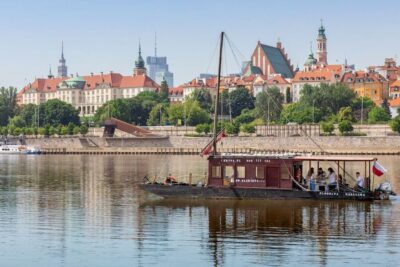
Traditional Galar Cruise on The Vistula River
Read our review →
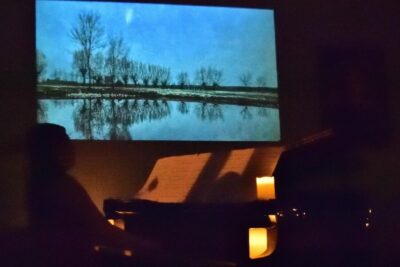
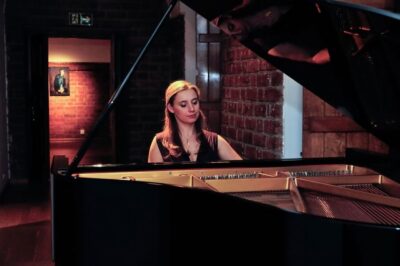
Warsaw Concert: Chopin – Painted by Candlelights with Wine
Read our review →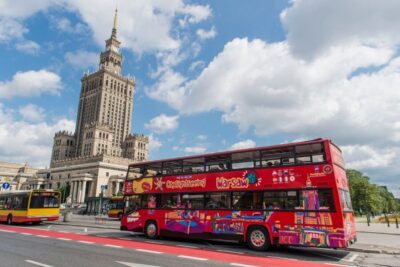

Highline Warsaw Entry With 360° Views & Rooftop Bar
Read our review →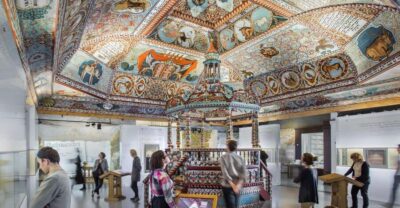
POLIN Museum of the History of Polish Jews Ticket
Read our review →