
Reviewed · MUSEUMS
City Pass with almost 40 Museums and Attractions
Krakow can feel endless on a museum day. This pass stacks free entry to a long list of sites and bundles unlimited public transport, so you can hop around without re-buying tickets. The main drawback is that some stops are short or a bit offbeat, and the city bus network can take a minute to figure out.
You get to control the rhythm too. You collect the KrakowCard from Krakville Tours on Sienna 17 (08:00 to 22:00, every day), validate and sign it at exchange, then choose which days to activate it. If you want tight planning, you’ll love it. If you hate logistics, build a simple route first.
In This Review
- Key things I’d plan around
- What this Krakow Museums and Transport Pass really is
- Price and value: $27.21 a person for 1 to 3 days
- Picking up the card and activating it the right way
- Transit advantage: trams and buses that help you see more
- The museum lineup, stop by stop, and how to choose what fits
- Old Krakow archaeology and St. Adalbert layers
- “Small but memorable” Krakow history stops
- Ethnography, Galicia, and Jewish heritage
- Home Army and WWII memory you should expect to feel
- Art museums: from contemporary to 19th-century Polish painting
- Photography, modernism, and science-friendly stops
- Big institutions: National Museum and Europeum
- Neighborhood Krakow: factories, palaces, and streets
- Robots, legends, and a fun break from heavy history
- How to build a smart 1-day, 2-day, or 3-day plan
- Who this pass suits best (and who should think twice)
- Should you book it?
Key things I’d plan around
- You choose your activation days after validation and a signature, so you can match the pass to your trip pace.
- Unlimited trams and buses are included, which matters because many museums are not clustered in one tiny area.
- Almost 40 options lets you mix major hits (like Schindler’s Factory) with smaller specialty museums.
- Rynek Underground needs pre-booking for entry, so don’t treat every stop as walk-in.
- Short stops can add up fast, so group them into one neighborhood block.
- WWII and Jewish history stops are included, so expect emotional weight at a few locations.
What this Krakow Museums and Transport Pass really is
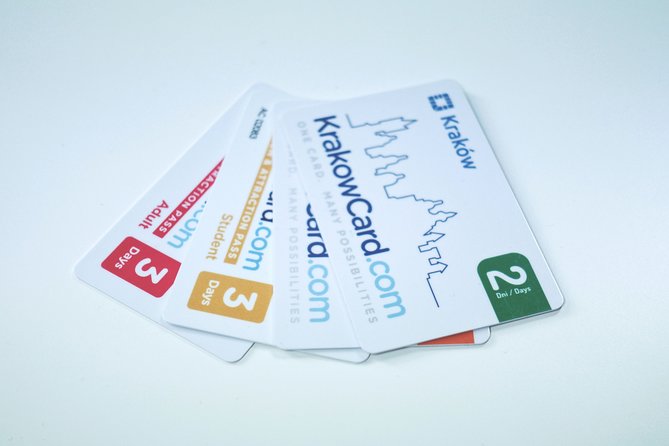
Think of this as two tickets in one. First, it’s admission to a huge set of Krakow museums and attractions using your KrakowCard at the ticket office. Second, it’s unlimited access to the city’s public transport network, but only when you’re using the CityPass.
The practical win is flexibility. Instead of committing to one guided route, you can build your own day around what you feel like seeing, then move efficiently by tram and bus. That’s the sort of value that tends to pay off on a 1 to 3 day trip.
More Museum Tours in Krakow
- Auschwitz-Birkenau Museum and Memorial Guided Tour from Krakow
★ 4.5 · 1,510 reviews - Krakow: Rynek Underground Museum Guided Tour
★ 4.6 · 1,122 reviews - Krakow: City Card with Public Transport and Museums
★ 3.9 · 675 reviews
Price and value: $27.21 a person for 1 to 3 days
At $27.21 per person, the big question is whether you’ll actually use enough entries to make it worthwhile. With nearly 40 museums and attractions on the card, the value is there for people who can realistically visit several places in a day.
You also get something that can be hard to price on a short trip: the transport part. Krakow’s sites are spread out enough that transit costs and time add up, especially when you’re bouncing between major sights, neighborhood museums, and a few more specialized stops. If you plan to use public transit anyway, the math shifts in your favor.
Where it can feel less perfect is if you only want one or two major sites. In that case, you might feel like the pass is carrying extra options you will not touch. But if you enjoy options and you’re open to swapping plans as you go, this is a strong “pay once, decide daily” setup.
Picking up the card and activating it the right way
You collect the KrakowCard from Krakville Tours at Sienna 17, open 08:00 to 22:00 every day. When you exchange it, the card needs to be validated, then you choose when you’ll use it. After you sign, the card is activated, so the usable days are your call based on the activation you do at exchange.
One more thing to keep in mind: admission works by presenting the card at the ticket office. That means you’re not managing a pile of separate paper tickets, which saves time and reduces the chance you forget something at a desk. It also means ticket offices matter, so plan a little buffer if there’s any line.
Transit advantage: trams and buses that help you see more
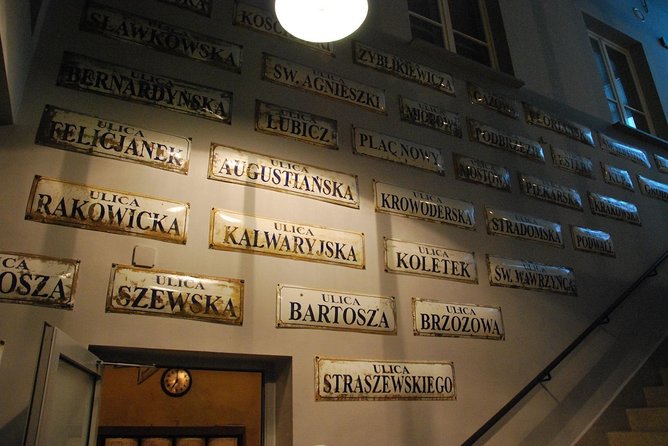
The CityPass includes unlimited city public transport. That’s a big deal in Krakow because you can build a route that keeps your walking comfortable and your travel time sane.
Do this to make the system feel easier: start with trams for the main corridors, then use buses only when you need them to reach a specific museum stop. One common frustration is getting stuck trying to decode bus routes while you’re already on a schedule. If you give yourself a little room for transit learning, the whole pass becomes less stressful.
Also, many of the listed museums are near public transportation, which helps you chain stops without wasting half your day moving across town.
More Polish museums that take an afternoon:



The museum lineup, stop by stop, and how to choose what fits
You have access to a huge range of themes here: archaeology, art, Jewish heritage, WWII memory, science, and even a robotic legend show. The trick is to avoid treating it like a checklist. Pick a theme for each half day, then let the pass do the hopping.
Old Krakow archaeology and St. Adalbert layers
1) Archaeological Museum (about 1 hour)
This is a straightforward entry point into Krakow’s older layers. If you like understanding how cities change over time, archaeology is a smart first stop because it frames everything else you’ll see.
3) Church of St. Adalbert (about 30 minutes)
You’ll get access to the church site through the pass. Short visits are easiest when you pair them with another nearby history stop, instead of expecting one church to fill a whole block.
38) Church of St. Adalbert, basement exhibition (about 1 hour 30 minutes)
This is the deeper version of the same church experience. The basement exhibition focuses on the history of the Main Square area and the church and its patron saint, St. Adalbert. You can see traces of wooden and stone floors, plus Romanesque walls made of broken stones and lime cubes. If you only do one St. Adalbert slot, this is the one to aim for.
“Small but memorable” Krakow history stops
2) Eagle Pharmacy, Museum of Krakow (about 30 minutes)
This is the kind of stop that can surprise you. A pharmacy museum tends to feel intimate, but it usually gives a strong slice of everyday life and local history tied to place and trade.
4) Cricoteka, Centre for Documentation of the Art of Tadeusz Kantor (about 30 minutes)
If you’re curious about Polish theater and art documentation, this is a neat contrast to big institutional museums. It’s shorter by design, which makes it easy to fit into a day.
17) Archdiocesan Museum (about 1 hour)
This is a solid history and culture stop if you like faith-related art and artifacts. One advantage of a pass like this is you can take it when you’re in the mood, without paying extra.
15) Muzeum Krakowa, Stara Synagoga (about 1 hour)
A synagogue museum gives you a chance to learn through heritage and architecture. Plan it with care, because a history-focused museum often deserves a slower pace than a pure “sightseeing” visit.
18) Barbican, Museum of Krakow (about 1 hour)
Barbican sights connect you to Krakow’s defensive past. It works well as a breather between heavier WWII or memorial stops.
21) Museum of Krakow Town Hall Tower (about 1 hour)
A tower museum is often both view-based and story-based. It’s a good “midday reset” when you want to feel like you moved through the city’s civic history.
Ethnography, Galicia, and Jewish heritage
5) Ethnographic Museum (about 1 hour)
Ethnographic museums help you understand how everyday culture shapes a region. I like this type of stop on a pass because it changes the tone from art galleries and WWII museums.
6) Galicia Jewish Museum (about 1 hour)
This museum centers on Jewish heritage in Galicia. It’s the kind of stop that can hit emotionally, so give yourself time instead of stacking it too tightly.
24) Muzeum Krakowa, Mury Obronne, Ramparts (about 30 minutes)
Ramparts are quick, but the payoff is good: you connect history to physical space. Think of it as a short walk-through lesson.
Home Army and WWII memory you should expect to feel
7) Home Army Museum, Muzeum Armii Krajowej (about 1 hour)
This is part of the broader resistance story. If you want context for Polish WWII history beyond what you see outdoors, it’s a strong add-on.
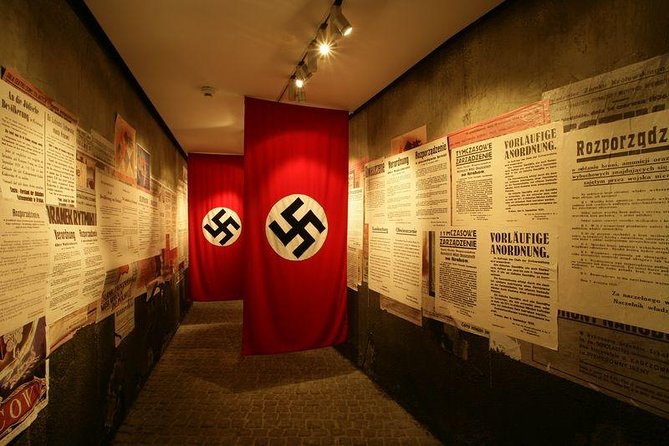
13) Fabryka Emalia Oskara Schindlera, Schindler’s Factory (about 2 hours)
This is one of the biggest named draws on the whole card. I love that it’s given enough time here, about 2 hours, because the subject deserves space. It’s also a stop people often describe as moving, so plan your day so it doesn’t get rushed.
31) Muzeum Krakowa, Ulica Pomorska, Pomorska Street (about 1 hour)
This site is specifically described as a former Nazi prison during WWII. With that kind of labeling, expect serious history rather than “light browsing,” and don’t plan a fast follow-up right after.
Art museums: from contemporary to 19th-century Polish painting
8) House of Jan Matejko, Krakow National Museum (about 30 minutes)
Artist houses work well in short bursts. You get a sense of the person and the place, without needing a full half day.
9) Jozef Mehoffer House, Krakow National Museum (about 30 minutes)
Similar idea: you can learn through lived space and art identity. It’s a quick stop that still adds a personal connection.
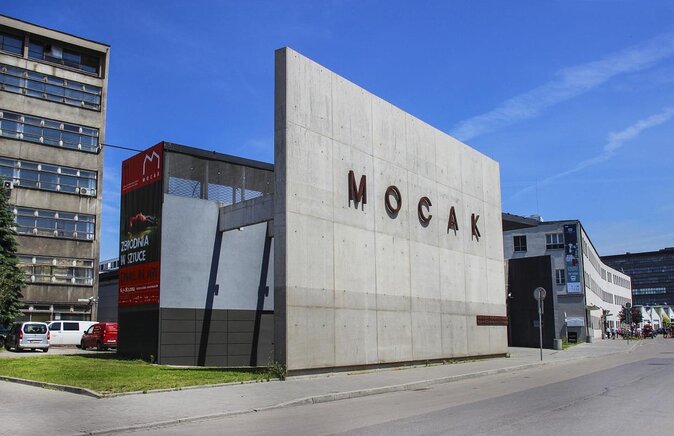
10) MOCAK, Museum of Contemporary Art in Krakow (about 2 hours)
MOCAK is your longer art block. If you like modern work, this is a chance to slow down and actually see what artists are doing now, not only what worked in the past.
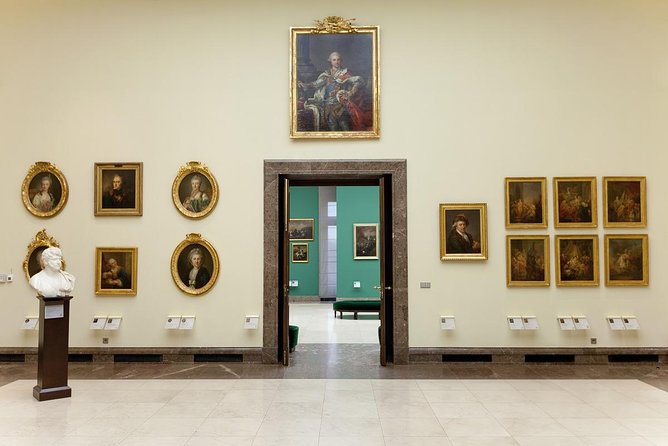
11) Museum Gallery of the 19th Century Polish Art (about 1 hour)
This is your older-school Polish art entry. It’s ideal if you want something calmer than contemporary galleries.
36) Museum Gallery of the 19th Century Polish Art (about 1 hour 30 minutes)
This appears again with a longer suggested time. Use this to your advantage: if you’re enjoying the gallery, stay longer. If not, you can keep it shorter earlier and move on.
Photography, modernism, and science-friendly stops
12) Muzeum Fotografii w Krakowie, MuFo Jozefitow (about 1 hour)
Photography museums reward focus. I’d plan this when you’re not rushing between too many other stops, because good photos often take longer than you expect.
27) Geological Museum of the Polish Academy of Sciences (about 30 minutes)
Short and science-forward. If you’ve spent the morning in history or art, a geology stop gives your brain a new gear.
28) Wyspianski Museum, Szolayski Tenement House (about 30 minutes)
A tenement house setting can make an art or design museum feel more grounded. This is a quick stop that pairs well with walking breaks.
29) Rydlowka, Regional Rydel’s Museum of Polish Modernism (about 30 minutes)
Modernism houses are often about atmosphere. This is where you can slow down, look at details, and enjoy the building as much as the exhibits.
30) Hutten-Czapski Museum (about 30 minutes)
Another shorter museum stop, likely focused on a specific collection or setting. The value of the pass is you can try more niche sites without extra cost.
Big institutions: National Museum and Europeum
14) National Museum in Krakow (about 1 hour)
If you want variety under one roof, this is it. Give it an hour but don’t expect to see everything. Choose a few areas you care about most.
19) Bishop Erazm Ciolek Palace, National Museum in Krakow (about 1 hour)
Palace settings add a “sense of place” to collections. It’s often a great choice when you want both architecture and museum content.
25) Europeum, Center of European Culture, National Museum in Krakow (about 2 hours)
This is your longer cultural center stop. A two-hour window suggests you should treat it like a real museum block, not a quick break.
Neighborhood Krakow: factories, palaces, and streets
16) Polish Aviation Museum (about 1 hour)
Aviation museums are great if you like technology and stories of flight. With only about an hour, focus on the main exhibits rather than trying to see everything.
20) Kamienica Hipolitow, Muzeum Krakowa (about 1 hour)
This type of museum in a townhouse setting is often about architecture plus local narratives. It’s a good “Krakow texture” stop.
23) Kosciuszko’s Mound, Kopiec Kosciuszki (about 30 minutes)
A mound stop works like a pause with payoff. It’s short, so you can slot it between museums without losing your whole day.
33) Podziemna Nowa Huta, Museum of Krakow (about 1 hour)
This is described as an exhibition in the Nowa Huta district, in Branice. It’s an opportunity to step outside the classic center and see another side of the city.
35) Nowa Huta Museum (about 1 hour 30 minutes)
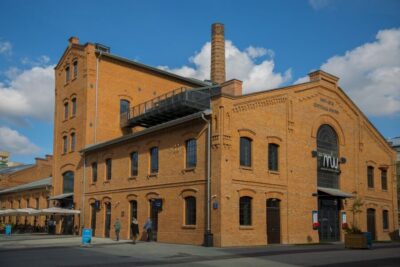
Located in the historic building of the former Światowid cinema, this one mixes local Nowa Huta focus with the experience of the Cold War and socialism. Since it’s longer, I’d treat it as a featured stop, not something you tack on last minute.
34) Krzysztofory Palace, Museum of Krakow (about 1 hour)
A palace museum is typically a “place-based history” experience. It fits well when you want your Krakow story told through a specific building.
26) Dom Zwierzyniecki, Muzeum Krakowa (about 1 hour)
Another neighborhood-focused museum. It’s often a good way to break up long sightseeing days with a more contained, topic-driven visit.
32) Celestat, Muzeum Krakowa (about 30 minutes)
A short stop with a specific theme, likely easier to combine with nearby locations. It’s a good option when you want something quick and different.
22) Rynek Underground, Museum of Krakow (about 2 hours)
This is special for one reason: you must make sure to book an entrance before visiting. Because of that, I treat it like a scheduled appointment, not a casual entry. Once booked, it’s a longer immersive history experience compared with many of the other sites.
Robots, legends, and a fun break from heavy history
37) Legends of Cracow, Legendy Krakowa (about 20 minutes)
This is a robotic show that brings local legends to life. The stories listed include the Wawel Dragon, Kinga and the salt mine in Wieliczka, the Mariacki towers, the yellow boot, and the Sigismund Bell. Even if you’re more museum than show, a 20-minute break can refresh your energy for the next stop.
How to build a smart 1-day, 2-day, or 3-day plan
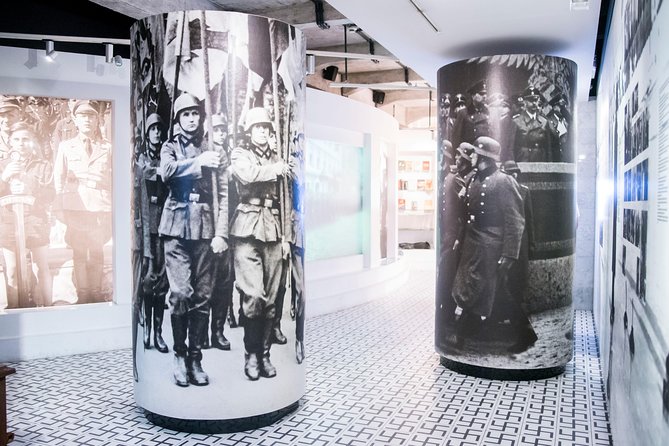
With this pass, you can go big or go light. Here’s how to make it feel easy.
For a 1-day trip, choose one major time block, like Schindler’s Factory (about 2 hours) or MOCAK (about 2 hours). Then add two shorter stops nearby, like Eagle Pharmacy or Wyspianski Museum and one view-based stop such as Kosciuszko’s Mound.
For 2 days, plan one “history-heavy” day and one “art and culture” day. History-heavy could include Pomorska Street plus either Home Army Museum or Galicia Jewish Museum. Art and culture could include MOCAK, National Museum, and a palace or artist house.
For 3 days, use the pass like a sampler. You can afford to take one or two chances on smaller specialty places, like Geological Museum or a focused category museum, without worrying that you’re missing the big sights.
If you want the smoothest experience, cluster by area and transit logic. Even though the pass gives unlimited movement, your best value comes from fewer travel transfers.
Who this pass suits best (and who should think twice)
This works best for you if you like controlling your own schedule. I also think it’s a strong fit if you’re the type who hates wasting time at ticket counters, because presenting your card at offices is the main flow.
It’s also a good match for people who want both heavy and light experiences. You can combine moving WWII context at Schindler’s Factory and Pomorska Street, then switch to something lighter like the Legends of Cracow robotic show.
The main reason to think twice is transit stress. If the bus system will frustrate you, start early and give yourself a little buffer for getting oriented. The pass is flexible, but your day still needs a plan.
Should you book it?
Yes, if you want a high-choice museum pass for 1 to 3 days and you’re ready to visit several places, not just one. The transport plus admissions combo is what makes it feel like a deal, especially on a short trip when time is your real cost.
I’d book it if you’re excited by a mix of history, art, and neighborhood museums, and you can handle a couple emotional stops. Skip booking only if your trip is mostly about one or two attractions, or if you strongly dislike figuring out public transit without a guide.
Freshly posted from Krakow
- ZALIPIE – painted village, unique small group tour from Krakow★ 5.0 · 7 reviews
- “John Paul II Route” PRIVATE -Wadowice, Kalwaria Z.-Łagiewniki★ 5.0 · 7 reviews
- Krakow: Craft Beer Tasting City Walking Tour★ 4.4 · 7 reviews
- Magic of Krakow: Guided Tour of the Old Town★ 5.0 · 7 reviews
- Krakow in One Day: City Tour by Electric Car★ 5.0 · 7 reviews
- Krakow : Zakopane Tour + Thermal Pools with Hotel Pickup★ 4.8 · 7 reviews
- Guided Tour of Plaszow Concentration Camp, Kraków★ 4.8 · 7 reviews
Museums, compared.
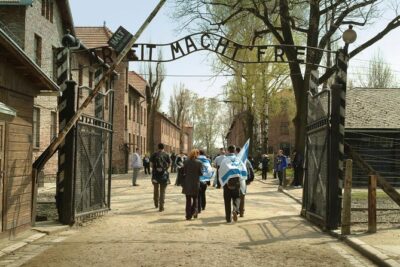
Auschwitz-Birkenau Museum and Memorial Guided Tour from Krakow
Read our review →
POLIN Museum of the History of Polish Jews Ticket
Read our review →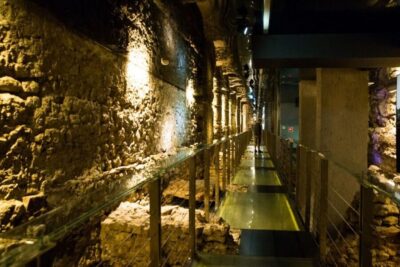

Krakow Schindler’s Factory Museum Guided Tour in English
Read our review →
Browse the lists this tour appears in