
Reviewed · WAWEL CASTLE GUIDED TOURS
Wawel Castle, Cathedral, Old Town and St. Mary’s Basilica
Wawel turns Krakow into a living museum. With skip-the-line access to Wawel Castle and Cathedral, you save time and get straight into the royal story. I also love that the route makes room for the Sigismund Bell, where you can touch it for good luck and look out over the city. One possible drawback: this is a 3.5 hour, high-demand route with lots of people, so you will feel the pace and crowds more than you would on a slower self-guided stroll.
After the castle hill, the tour moves into Krakow’s UNESCO-listed Old Town on foot, using a licensed local guide to connect monuments to everyday city life. The icing is St. Mary’s Basilica, where you get focused time with the Gothic Veit Stoss altar instead of just a quick glance and a walk-by.
In This Review
- Key points before you go
- Why Wawel feels like Krakow’s power center, not just a viewpoint
- Inside Wawel Castle: State Rooms, art collections, and cultural crossroads
- Wawel Cathedral: coronations, golden domes, and the Sigismund Bell ritual
- Krakow’s Old Town UNESCO walk: Main Market Square and Cloth Hall
- Collegium Maius and Copernicus: learning history in stone
- St. Mary’s Basilica and the Veit Stoss altar: why the guide matters
- How the 210 minutes can feel on your feet
- Price and value: what $87 buys you in time and explanation
- Who should book this Wawel to St. Mary’s tour
- Should you book this Wawel Castle, Cathedral, Old Town and St. Mary’s Basilica tour?
- FAQ
- How long is the tour?
- How much does it cost?
- Where do I meet the guide?
- What languages are available?
- What is included in the ticket?
- Is there skip-the-line access?
- What dress code should I follow?
- Is it suitable for wheelchair users, and are pets allowed?
Key points before you go
- Skip-the-line entry helps you spend more time seeing and less time waiting.
- Sigismund Bell moment is built in, including the chance for a panoramic tower view.
- Old Town walk with a licensed local guide keeps the streets from feeling like random highlights.
- Collegium Maius stop adds context about Copernicus and learning in Krakow.
- Veit Stoss altar time means you understand what you are looking at, not just that it is famous.
- Group size stays small, up to 30 people, so the guide can keep control of the flow.
Why Wawel feels like Krakow’s power center, not just a viewpoint
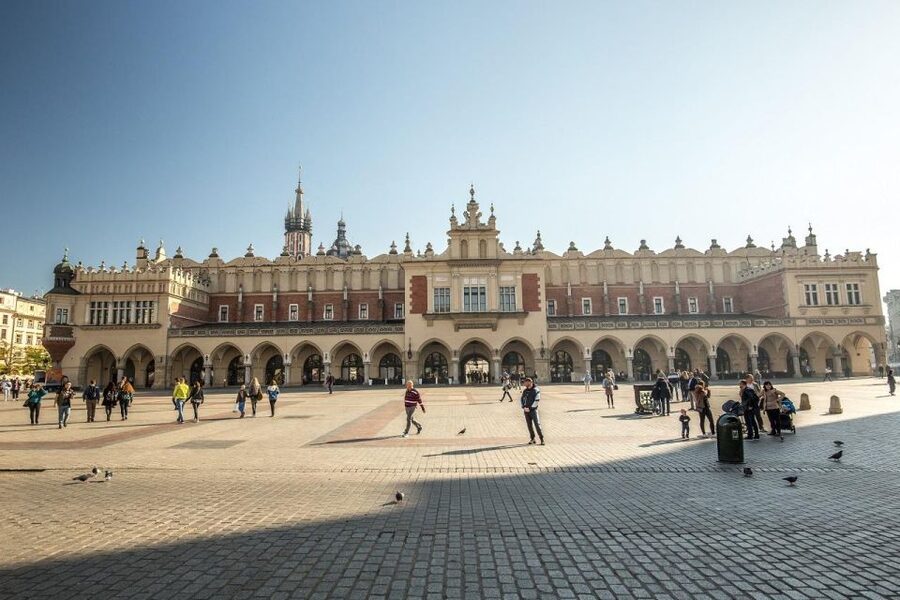
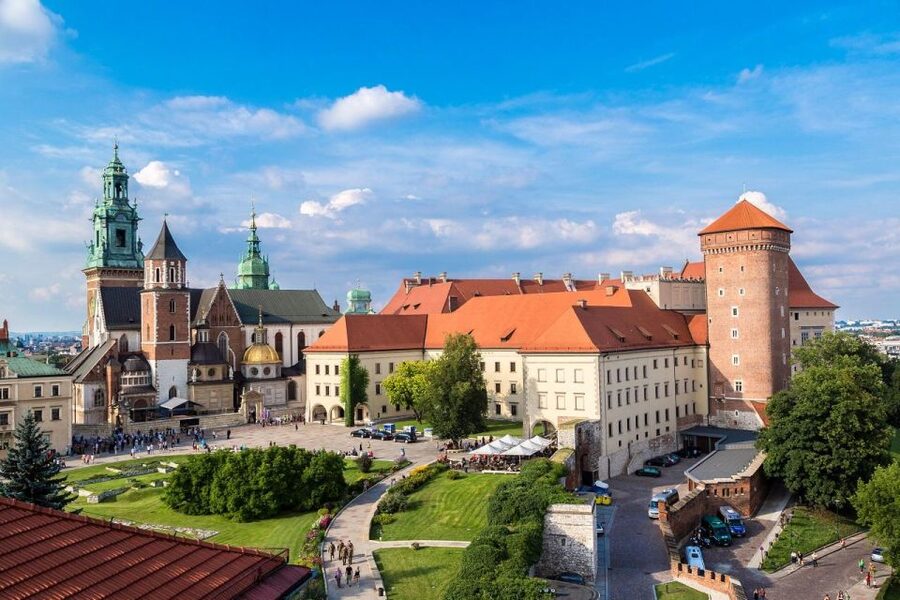
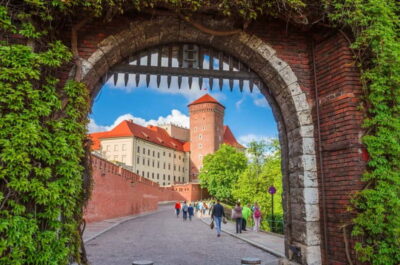
I like how Wawel Hill instantly explains what Krakow has been doing for centuries. This place is tied to Polish statehood, royal ceremony, and the big decisions that shaped the country. You are not only looking at pretty buildings, you are stepping into the setting where monarchs were crowned and where generations of rulers left their mark.
The tour works well because it starts where the meaning is strongest. Wawel Castle and Wawel Cathedral sit close enough that you can move from art and museum rooms to coronation and burial in one continuous flow. That matters, because the symbols start to click: power, faith, art collecting, and national identity all show up in the same area.
More of the castle above the Vistula bend:
- Krakow: Wawel Castle & Cathedral Guided Tour
★ 4.7 · 2,111 reviews - Old Town Krakow & Wawel Castle Walking Tour
★ 5.0 · 1,508 reviews - Krakow: Wawel Castle and Cathedral Guided Tour
★ 4.6 · 595 reviews
Inside Wawel Castle: State Rooms, art collections, and cultural crossroads
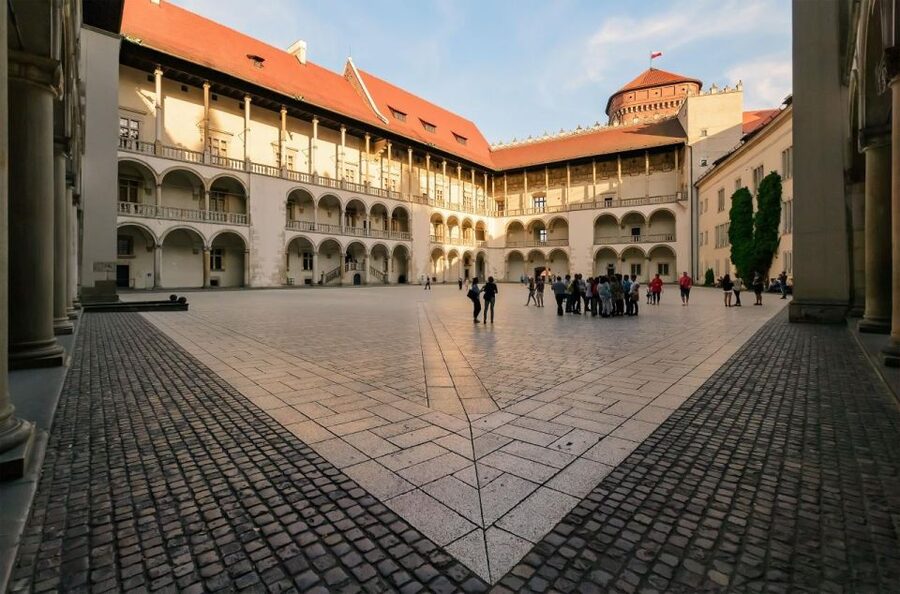
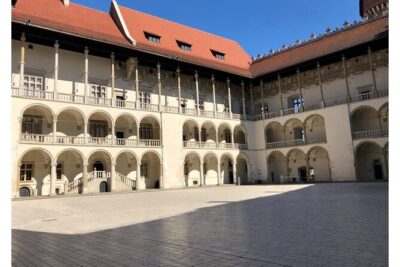
Wawel Castle is where you see the “museum” version of royalty. You enter through a permanent exhibition with fast-track access (availability can vary), then your guide leads you through the Royal Castle spaces and the State Rooms. Expect Renaissance interiors, ornate wall hangings and furnishings, and collections that show how Polish culture gathered influences over time.
What I find especially practical is how the art is explained as more than decoration. You will hear about the Lanckoroński collection of Italian paintings, and you will also pass through rooms showcasing porcelain, weaponry, and Eastern art. One of the standout storylines here is the collection of Ottoman tents, noted as the largest in Europe. Even if you do not care about every object, the guide’s thread makes the building feel logical.
A small consideration: castle visits can get tight in busy galleries. When crowds press in, you might end up moving a little faster than you would like, so keep your attention on what the guide points out. If you care about photography, bring patience, because there are moments where people and angles compete.
Wawel Cathedral: coronations, golden domes, and the Sigismund Bell ritual
Wawel Cathedral is the reason this tour hits both history and art without feeling lopsided. This is the site where Polish monarchs were crowned, married, and laid to rest, and the architecture underlines that solemn role. As you move through the Gothic splendor and ornate chapels, the details feel purposeful, not random.
The route also includes a tower stop for panoramic views of Krakow. You get a chance for that height-and-layout moment, which helps you understand where everything sits in relation to the river and old streets. Then comes the crowd-pleasing good-luck ritual, you can touch the Sigismund Bell.
After the views, the tour goes down into the royal crypts, which is where the cathedral turns from impressive to emotionally real. The guides typically connect the space to the people buried there, including Poland’s greatest rulers and visionaries. If you want one part of the day that feels like more than sightseeing, this is often it.
Krakow’s Old Town UNESCO walk: Main Market Square and Cloth Hall
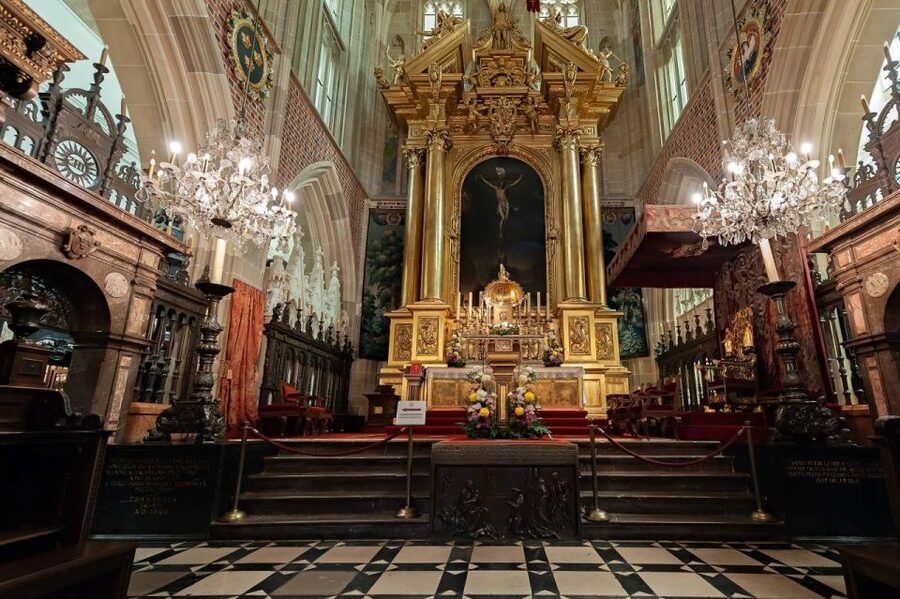
Once you leave Wawel Hill, you shift from monumental stone to city-scale detail. The Old Town part is guided, which is a huge advantage here. The streets connect in a way that is easy to miss if you are just wandering, and the guide helps you read the geometry of the area.
You will spend time around Main Market Square, including the Cloth Hall. This is the heart of the historic merchant landscape, so the guide’s stories about guilds and royal processions make the square feel like a system, not just a postcard. I also like that you do not get stuck in one spot for too long. You walk, you look, then you move on before fatigue settles in.
A practical note from the reality of old-city crowds: there can be too many people around key corners. When that happens, it can reduce how long you linger at a specific viewpoint. I would plan your expectations like that, not like a quiet museum hallway.
Still tacked up around Krakow


Collegium Maius and Copernicus: learning history in stone
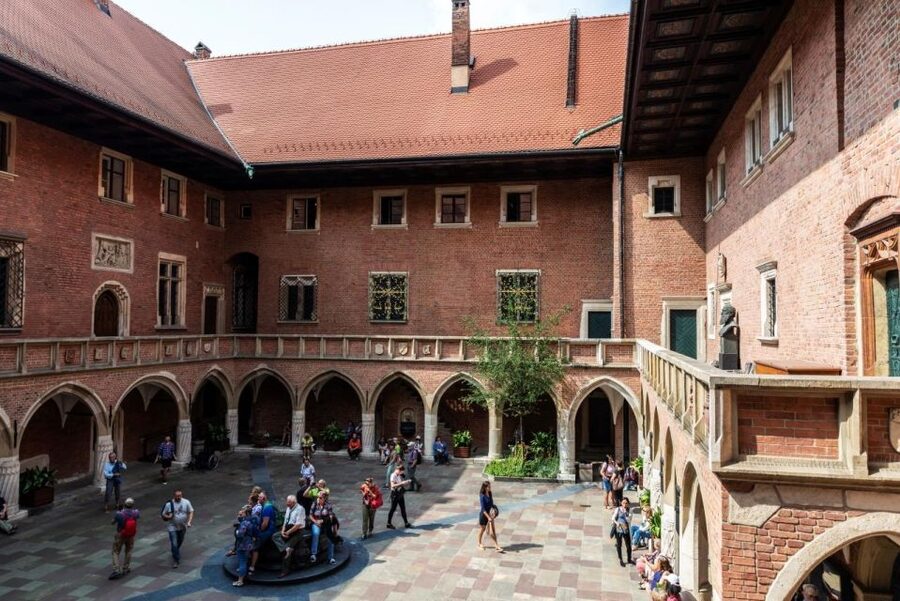
One of the smartest add-ons here is the Collegium Maius stop. This is the oldest university building in Poland, and the guide ties it directly to Nicolaus Copernicus, Krakow’s most famous student. That is a great pairing because it turns “famous name” into a physical place you can recognize.
What you get from this section is perspective. The day already covers royal power and religious authority, and then you see intellectual power in the middle of the city. Even a short stop here can change how you interpret what you have seen on the castle hill.
If you like links between disciplines, you will appreciate how the guide keeps the tour from turning into a sequence of separate attractions. Instead, it becomes one connected story: rule, belief, art collecting, and learning.
St. Mary’s Basilica and the Veit Stoss altar: why the guide matters
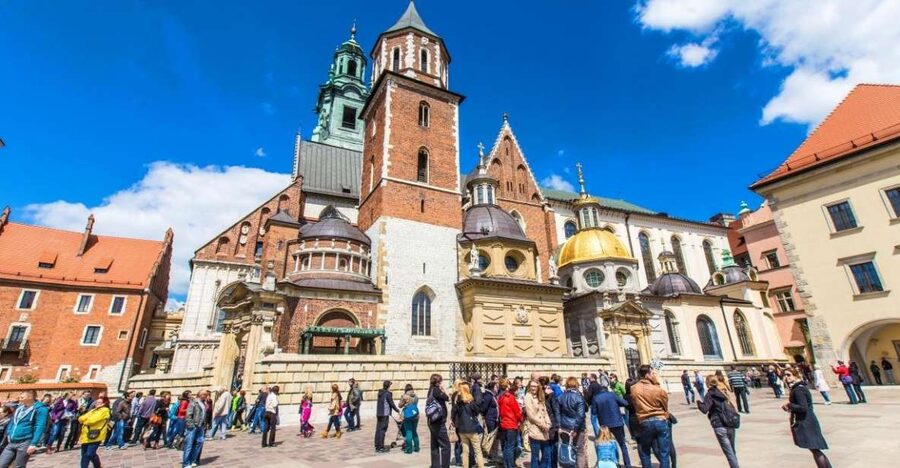
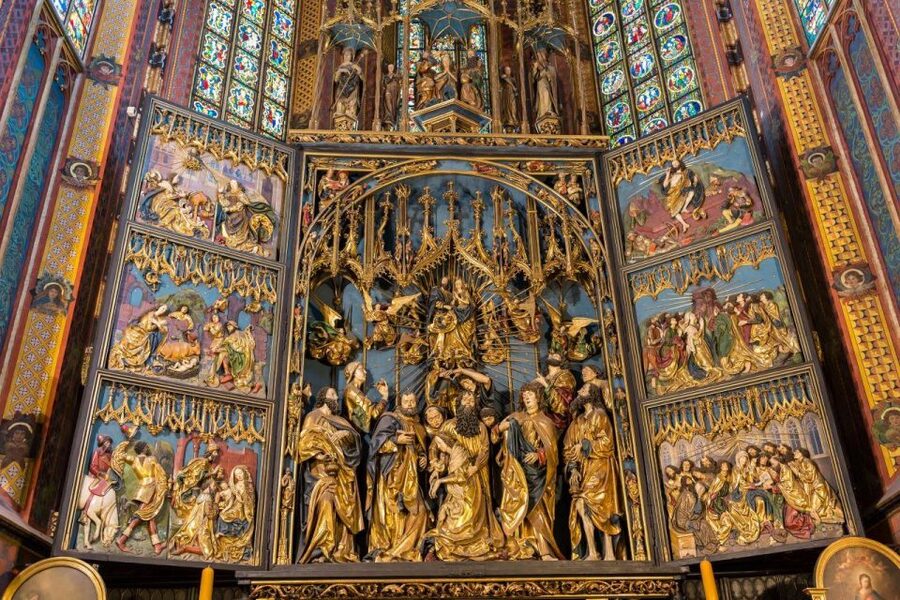
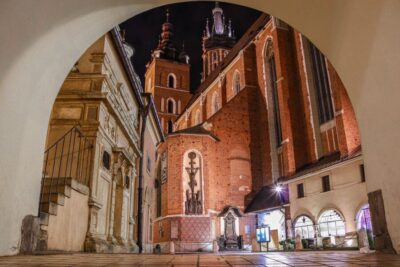
St. Mary’s Basilica is where the tour earns its “art in action” reputation. The building itself is Gothic, and you will feel that splendor in the space. Then you get to the main event, the Veit Stoss altar, which is a masterpiece of medieval storytelling and carving.
This is not a quick look. You are guided through what you are seeing, and that makes a huge difference. Without an explanation, an altar can turn into “wow, pretty” and then it fades. With a guide, you start spotting themes and understanding how the scenes fit together.
For me, this is the best way to end a compact tour. You finish with a moment that is both visually impressive and meaningfully explained, instead of just another exterior photo.
How the 210 minutes can feel on your feet
The total duration is 210 minutes, so you should treat this as a focused half-day walk with indoor stops. You are moving through castle buildings, the cathedral, then back out into Old Town streets and into another major church. If you prefer slow travel, this schedule can feel like “see everything” rather than “linger.”
Group size stays capped at 30 participants, which is good for flow and guide control. Tours are also run in a single language chosen when you book, so pick the language you will feel most comfortable asking questions in. If you are even a little rusty, this is one day you want your brain switched fully on.
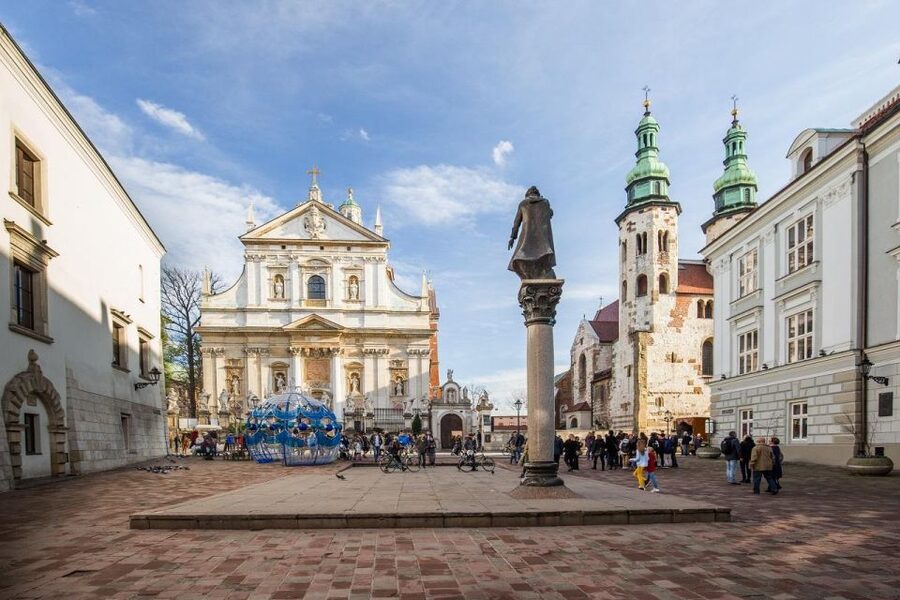
Meeting point detail matters. You meet your guide at St. Mary Magdalene Square at the Piotr Skarga Monument, and you should arrive at least 10 minutes early. Once the group enters, joining late is not possible, and tickets are not refundable. In other words, be on time, because the tour tempo is the whole point.
Weather is always a factor in Krakow, and in busy historic areas crowds can move slower than you expect. If you are the type who gets irritated by bottlenecks, take a calming approach. This tour gives you a lot, but it trades some quiet for access and explanation.
Price and value: what $87 buys you in time and explanation
At about $87 per person, this is not a cheap add-on, but it is also not overpriced for what you get. You are paying for four main things: guided interpretation, timed entry benefits (skip-the-line for a Wawel Castle exhibition), and paid entrances to two major churches plus key castle access.
You also get value from reduced decision fatigue. Instead of planning which ticket lines are worth it and what order makes sense, you follow a route that connects the strongest landmarks. The guide’s job is not only to talk, it is to keep you moving through the places where you would otherwise lose time.
Is it worth it if you are only casually interested in history? Maybe not. If you want airy, self-paced strolling, you could spend less by ticketing everything yourself. But if you are the type who likes context while you walk, the guided structure is where the money turns into something tangible.
Who should book this Wawel to St. Mary’s tour
This works best for first-time Krakow visitors who want the highlights in one compact route. It is also a strong pick if you enjoy history and art at the same time, because you will get both royal ceremony spaces and art collections, then finish with a major Gothic masterpiece.
I would be cautious if you need wheelchair access, since the tour is not suitable for wheelchair users. Also, the day includes places of worship and selected museums with a strict dress code: shoulders and knees must be covered, and shorts or sleeveless tops are not permitted.
If you are traveling with someone who likes asking questions, you will likely enjoy the guide format. In some departures, the group can thin out into a smaller setting, which creates space for extra questions and more personalized tips. That does not happen in every group, but it is a pleasant possibility.
Should you book this Wawel Castle, Cathedral, Old Town and St. Mary’s Basilica tour?
If you want a smart first pass through Krakow’s most meaningful sites, I would book this. The combination of Wawel Castle plus Cathedral, a guided UNESCO Old Town walk, and focused time at St. Mary’s Basilica with the Veit Stoss altar is a strong mix for one half-day.
I would skip it only if you strongly prefer slow pacing or you dislike busy areas. Also, if your biggest goal is purely photography and you hate explanations, you may feel the schedule is too structured for your style.
For most people, though, the value is in the way the guide connects places. You leave understanding what the buildings are for, not just where they are.
FAQ
How long is the tour?
The tour lasts 210 minutes.
How much does it cost?
The price is $87 per person.
Where do I meet the guide?
Meet your guide at St. Mary Magdalene Square at the Piotr Skarga Monument. Your guide will be holding a Wawel Castle & Cathedral Guided Tour sign.
What languages are available?
The tour is offered in English, French, German, Italian, and Polish.
What is included in the ticket?
You get a guided tour with a certified local expert, fast-track access to one permanent Wawel Castle exhibition (availability varies), entrance to Wawel Cathedral, and an entrance ticket to St. Mary’s Basilica.
Is there skip-the-line access?
Yes, the tour includes skip-the-line access for ticketed entry related to Wawel Castle.
What dress code should I follow?
In places of worship and selected museums, you must cover shoulders and knees. Shorts or sleeveless tops are not permitted.
Is it suitable for wheelchair users, and are pets allowed?
It is not suitable for wheelchair users. Pets are not allowed.
Freshly posted from Krakow
- ZALIPIE – painted village, unique small group tour from Krakow★ 5.0 · 7 reviews
- “John Paul II Route” PRIVATE -Wadowice, Kalwaria Z.-Łagiewniki★ 5.0 · 7 reviews
- Krakow: Craft Beer Tasting City Walking Tour★ 4.4 · 7 reviews
- Magic of Krakow: Guided Tour of the Old Town★ 5.0 · 7 reviews
- Krakow : Zakopane Tour + Thermal Pools with Hotel Pickup★ 4.8 · 7 reviews
- Krakow in One Day: City Tour by Electric Car★ 5.0 · 7 reviews
- Cracow: Wawel Castle and Cathedral Guided Tour★ 5.0 · 7 reviews
Wawel Castle Guided Tours, compared.
Old Town Krakow & Wawel Castle Walking Tour
Read our review →
Old Town & Wawel Castle Walking Tour in English
Read our review →
Historic Krakow : Old Town & Wawel Castle Walking tour
Read our review →Browse the lists this tour appears in