
Reviewed · GDANSK TOURS & ACTIVITIES
Solidarity Tour
Solidarity history comes with real street corners. In about three hours, this private English tour connects Gdansk’s famous landmarks with the workplaces and buildings that helped shape modern Poland. You start at the European Solidarity Center, then move on to key sites tied to the fall of communism.
I love two things most: the storytelling from experienced local guides like Bozena and Sebastian, and the fact that your entry ticket to the European Solidarity Center is included. I also like how the route gives you context, not just photos, so the names and dates start to make sense while you walk.
One possible drawback: this is not a sit-and-sip tour. You should have moderate physical fitness and be ready for walking in all weather, since it runs rain or shine.
In This Review
- Key things to know before you go
- Walking the routes of Solidarity in Gdansk
- Europejskie Centrum Solidarności: where the story starts
- Sala BHP: a short stop with a heavy moment
- Gdansk Shipyard: from working industry to a new kind of nightlife
- Lenin Gates and other landmark context that fills the gaps
- How the pacing works in about three hours
- Price and value: what $114.45 buys you
- Guides who set the tone, and why that matters
- What to wear and bring for all-weather walking
- Who this tour is best for
- Quick tips to get more from every stop
- Should you book the Solidarity tour?
- FAQ
- Where does the tour start?
- How long is the Solidarity tour?
- Is the tour private?
- Is the tour offered in English?
- What is included in the price?
- Do I need to buy admission for the other stops?
- Can I buy alcoholic drinks on the tour?
- What should I wear or bring since it runs in all weather?
- What kind of physical fitness level is needed?
- What is the cancellation policy?
Key things to know before you go
- Solidarity Center entry is included so you are not scrambling for tickets or time.
- Sala BHP ties directly to Lech Wałęsa and the Gdańsk Agreement, in a short, focused stop.
- Gdansk Shipyard shows the old and new side of the same former industry zone, now with clubs, galleries, and entertainment spaces.
- Lenin Gates is part of the day’s landmark run, so you get the symbolic hits without hunting on your own.
- Private, English-led, mobile-ticket style means the pace can feel more personal for your group.
- Non-alcoholic beverages are included, but alcohol is something you buy separately.
Walking the routes of Solidarity in Gdansk
This tour works because it treats history like a set of locations you can actually touch. Gdansk is easy to enjoy as a pretty coastal city, but the Solidarity story is what turns the streets from scenic to meaningful.
In roughly three hours, you get a guided route that moves between museums, monuments, and the shipyard area. It is compact, but it is not shallow, because your guide keeps linking the dots between communist-era pressure and the organized push for change.
Still tacked up around Gdansk
- Gdansk: City Cruise on Historical Polish Boat
★ 4.8 · 2,913 reviews - Gdańsk: Sunset Cruise on a Historic Polish Boat
★ 4.9 · 977 reviews - Gdańsk City Sights & History Guided Walking Tour in English
★ 4.8 · 876 reviews
Europejskie Centrum Solidarności: where the story starts
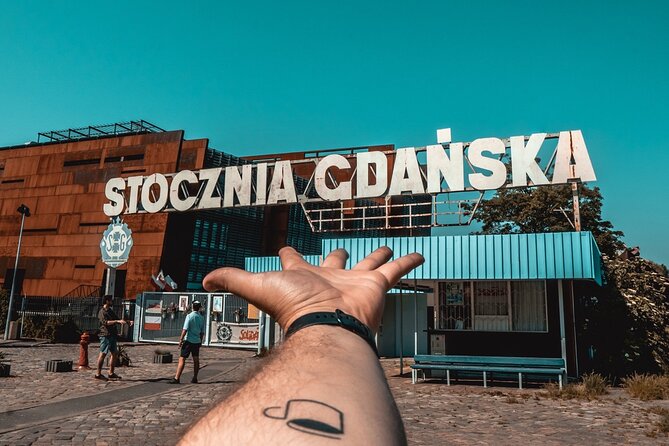
You begin at Europejskie Centrum Solidarności (European Solidarity Center) at Plac Solidarności 1. Plan for about two hours here, and think of it as the foundation piece that makes the later stops click.
This is the museum where you get the big picture of the struggle for free Poland, and how people in Poland handled tense communist-era conditions. The museum format is designed for understanding, not just wandering, so the guide’s job is to point you toward the threads that matter and keep the timeline readable.
What I like in particular is that the entrance ticket is included. That means your money goes straight toward the main “learning block,” and you are not stuck deciding later whether to pay for the museum.
If you only have a few hours in Gdansk, starting here is smart. It gives you the context that lets you see later buildings and monuments as symbols with a story behind them, not random historical markers.
Sala BHP: a short stop with a heavy moment
After the museum, you head to Sala BHP, which is a small-time commitment stop, around 20 minutes. It is famous for one specific reason: it is tied to Lech Wałęsa signing the Gdańsk Agreement with the contemporary authorities of the People’s Republic of Poland.
That one moment matters because it represents a turning point in the negotiation and pressure that surrounded Solidarity. The time is short here, but the meaning is concentrated, and your guide helps you understand why that room became part of history.
If you tend to love history that has clear cause and effect, this stop will feel satisfying. You are not just hearing generalities, you are standing on a site where the political story crystallized into something official.
Gdansk Shipyard: from working industry to a new kind of nightlife
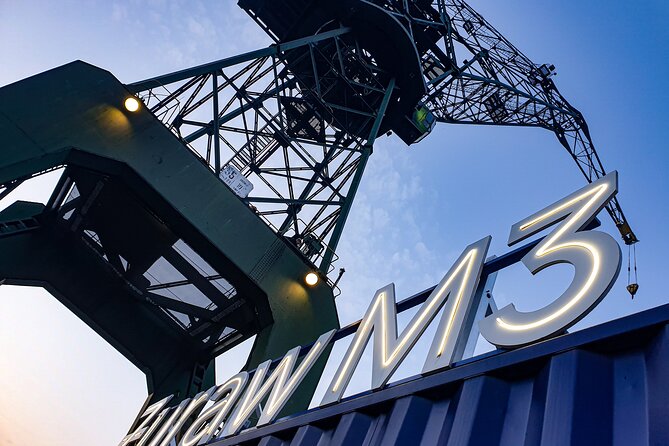
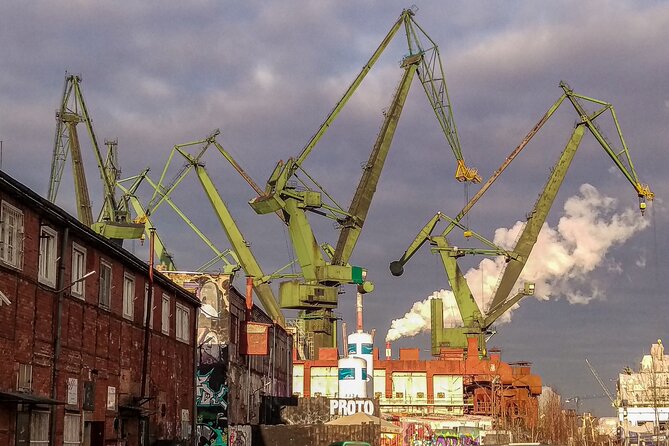
Next comes the Gdansk Shipyard area, with about 40 minutes focused on walking through the former shipyard zone. This part is where the tour becomes more “walk and think,” because you are seeing today’s Gdansk in the same industrial spaces tied to yesterday’s labor movement.
The shipyard is still functioning, but it is also changing. You will notice how the former industrial footprint is evolving, with clubs, galleries, and new entertainment centers appearing in the area.
I like this contrast because it prevents history from turning into a frozen diorama. You get the sense of continuity, the idea that people keep using the same space for new chapters, even after the big political shifts.
Also, this is a nice break from museum time. If you want to balance indoor history with outdoor atmosphere, this stop does that job.
Beneath the newer pins on the Gdansk board:



Lenin Gates and other landmark context that fills the gaps
The tour also includes many of the top landmarks you would want in a one-day history sweep, including Lenin Gates. Even if you have seen photos of major Soviet-era sites in other countries, this stop lands differently because Gdansk’s story is not just about oppression, it is also about organized resistance and its ripple effect.
What you gain by including landmark stops is clarity. Without a guide, it is easy to know where a gate or monument is, but harder to understand why a person cared, or what it meant to the people living and working nearby.
This is one of those “you do not know what you do not know” situations. A good guide turns the big public sights into story checkpoints, so the day feels like a coherent narrative rather than a list of places.
How the pacing works in about three hours
This experience is timed to stay focused. You are looking at about three hours total, with two hours at the museum, and then shorter blocks at other key sites.
That structure helps if you are trying to cover a lot of ground without exhausting yourself. It also keeps the political story from becoming a lecture that never stops, since the route shifts from indoor learning to outdoor atmosphere and monument context.
Still, it is a walking tour. You should expect to stand, move between points, and stay engaged through periods that are not long but are information-dense.
Price and value: what $114.45 buys you
At $114.45 per person, this is not the cheapest thing you can do in Gdansk. But you are paying for a strong combo: a local guide, included museum entry, and a route that uses short stops efficiently.
Here is where the value shows up clearly:
- Museum admission included at the European Solidarity Center, which is the main ticket cost for many visitors on their own.
- Other stops have free admission, so most of what you pay is the guidance and the route design.
- Beverages are included, so you are not paying extra just to stay comfortable on the day.
- Private format for your group can feel like better “time per person,” since the guide can answer questions as you go.
If your goal is to leave Gdansk with a real understanding of the Solidarity movement, this price starts to make sense quickly. You are not just buying access to a museum. You are buying interpretation, and interpretation is what turns a set of buildings into a story you can retell.
Guides who set the tone, and why that matters
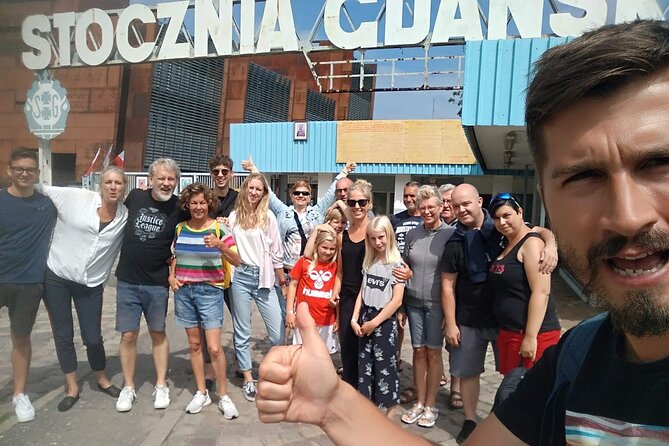
Two guide names come up strongly in the experience: Bozena and Sebastian. What stands out is energy and clarity, plus the way guides handle questions and adapt the route if something shifts.
One practical perk of booking a private group experience is that your guide can keep pace and focus more toward your interests. If you care about the people behind the movement, you are more likely to get the human context instead of only political highlights.
Also, the fact that guides can adjust and still keep the core story intact is a big deal. It prevents the tour from feeling like it is on autopilot.
What to wear and bring for all-weather walking
The tour runs in all weather conditions, so dress like a local: comfortable layers, good shoes, and something to handle rain. You are walking outdoors between points, even if most of the deep learning happens inside the museum.
Bring a small day bag if you have one. You will want room for water, a light jacket, and a phone battery backup, since you use a mobile ticket style setup.
Moderate fitness is all you need, but it is still a movement-focused day. If long museum standing bothers you, plan to take short breaks when the guide gives you a pause.
Who this tour is best for
This works especially well if:
- you want Solidarity history in a tight time window
- you prefer guided context over reading labels alone
- you like mixing museum time with real-world locations like the shipyard area
- you care about understanding the roots of modern political change in Poland
It is also a good choice if you are traveling with someone who needs structure. The route naturally guides your attention, and the short monument stops break up the day so it stays digestible.
If you already know everything about the Solidarity movement and communism in Poland, you might find the museum portion more familiar. But even then, a guided route can still help you connect names and locations you might not have linked before.
Quick tips to get more from every stop
A few small habits make this kind of tour land harder in your brain.
- Bring one question in your mind before you start, like how everyday workers organized, or why shipyard communities mattered.
- When you reach Sala BHP, slow down. This is where the guide’s framing is especially helpful because the moment is brief but meaningful.
- Take a short pause after leaving the museum. The shipyard area can feel visually different from what you just learned, and that contrast is part of the point.
Should you book the Solidarity tour?
I think you should book if you want a high-impact history experience without spending your entire day researching on your own. The included museum admission, the focused monument stop tied to Wałęsa and the Gdańsk Agreement, and the walk through the shipyard area create a day that feels coherent.
Skip it if your idea of a perfect tour is mostly free time and minimal walking, or if you already feel fully confident about the Solidarity timeline and places in Gdansk. In that case, you could piece things together yourself. But for most first-timers, a guided route is the fastest way to get from seeing sites to understanding them.
If you do book, consider reserving ahead. The tour is often booked in advance on average, so planning early helps you lock in the time window you want.
FAQ
Where does the tour start?
It starts at Europejskie Centrum Solidarności, Plac Solidarności 1, 80-863 Gdańsk, Poland.
How long is the Solidarity tour?
The duration is about 3 hours.
Is the tour private?
Yes. Only your group will participate.
Is the tour offered in English?
Yes, it is offered in English.
What is included in the price?
A local guide, beverages, and admission ticket for the European Solidarity Center are included.
Do I need to buy admission for the other stops?
No. Admission is listed as free for Sala BHP and the Gdansk Shipyard stops.
Can I buy alcoholic drinks on the tour?
Alcoholic drinks are not included, but they are available to purchase.
What should I wear or bring since it runs in all weather?
Dress appropriately for the conditions. The tour operates in all weather, so comfortable clothes and shoes that work in rain help.
What kind of physical fitness level is needed?
A moderate physical fitness level is recommended.
What is the cancellation policy?
You can cancel for a full refund up to 24 hours before the experience starts. If you cancel less than 24 hours before, the amount paid is not refunded.
Freshly posted from Gdansk
- Private Walking Tour of Old Gdańsk with an architect-guide★ 5.0 · 7 reviews
- GDANSK City Tour by Golf Cart Live Guide & Sightseeing 90min★ 4.7 · 7 reviews
- Stutthof Concentration Camp private tour★ 5.0 · 7 reviews
- Private Roundtrip Transfer to Stutthof Concentration Camp 4h★ 5.0 · 7 reviews
- Gdansk: Polish Craft Beer Tasting Session★ 4.5 · 7 reviews
- Gdansk, Sopot & Gdynia – Private 3 City Tour★ 5.0 · 7 reviews
- Gdansk: PRIVATE Alcotour City Tour Sightseeing Golf Cart★ 5.0 · 7 reviews
Gdansk Tours & Activities, compared.

Gdańsk City Sights & History Guided Walking Tour in English
Read our review →

Olivia Star Sky-High Views, Dinner, and Cocktails
Read our review →
Shared or Private City Tour Sightseeing by Golf Cart
Read our review →
Sightseeing EcoCruise around the Old Town of Gdansk
Read our review →Browse the lists this tour appears in