
Reviewed · VISTULA & MOTLAWA RIVER CRUISES
Packrafting / Kayaking Vistula River, Warsaw
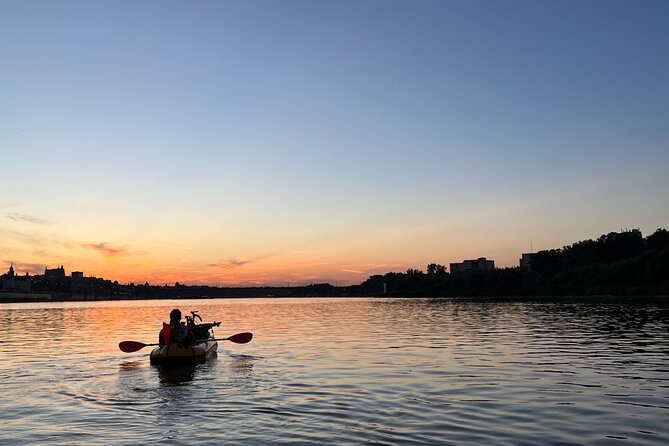
If you like your sightseeing with a paddle, this fits. You start with packrafting training, then float Warsaw’s bridges and boulevards from the water, with city stories told by Piotr before you roll toward a classic riverside sunset. The payoff is the view angle, and you get it for $39.77 per person in about 2 hours. The main catch is balance, because getting in and out of the raft takes a bit of coordination.
I like that this trip is built for first-timers and repeat rafters. You get full equipment, a safety orientation before you launch, and practice in calm harbor water so you know how your gear feels before you meet the Vistula’s current. The only real drawback to consider is weather: the ride needs good conditions, and if it gets canceled you’ll switch dates or get a refund.
In This Review
- Key things to know before you hit Port Czerniakowski
- Packrafting the Vistula: what you’re really buying for $39.77
- How the trip flows: from harbor practice to the river route
- Your guide and the briefing that makes rookies comfortable
- Stop by stop: what makes each stretch of water worth the paddle
- PGE National Stadium from a moving river viewpoint
- Most Poniatowskiego, a bridge you feel in your body
- Copernicus Science Centre: science in the flow
- Swietokrzyski Bridge: the classic river crossing moment
- Most Śląsko-Dąbrowski and the riverfront boulevards
- The island photo break, if conditions allow
- What about timing and weather, really?
- Who this is best for, and who should think twice
- Price value and what to compare it to
- The practical side: what to bring and how to prepare
- Should you book this Warsaw Vistula packrafting ride?
- FAQ
- How long is the packrafting or kayaking experience on the Vistula River?
- Where does the ride start and end?
- What time does the tour start?
- Is the experience available in English?
- What is included in the price?
- How big is the group?
- Are children allowed?
- Can pets join the trip?
- What happens if weather is poor or you need to cancel?
Key things to know before you hit Port Czerniakowski
- Safety orientation first: you learn the basics and get briefed before the main flow
- Calm-to-current setup: you practice in harbor water, then continue onto the Vistula
- Small group pace: a maximum of 6 people keeps it relaxed and manageable
- Iconic Warsaw views: Stadion Narodowy, multiple bridges, and the riverfront boulevards
- Photo stop if conditions allow: you may stop on a Vistula island for exclusive shots
- Balance matters on entry and exit: you should feel comfortable stepping carefully
Packrafting the Vistula: what you’re really buying for $39.77
This is one of those rare city tours where the main attraction is not just seeing landmarks, it is experiencing how they look from the river. Warsaw’s bridges and riverside architecture can feel distant when you’re on streets. From the water, everything changes scale. You get a low, moving viewpoint, and the skyline feels closer because you’re traveling through the same corridor as the ships and river traffic.
At about $39.77 per person for roughly 2 hours, the value is in the equipment and the guidance. You are not renting gear and figuring it out on your own. You get full setup, paddling technique coaching, and safety info. That matters, because packrafting is simple, but it is not zero-effort. If you’ve never done it, the training protects your confidence. If you have, the structured start helps you get your rhythm quickly.
The other value piece is that you’re paying for a guided route through the heart of Warsaw’s riverfront. Your ride isn’t random sightseeing. It is timed and structured so you pass major spots while your guide narrates what you’re seeing, including the science and culture stops along the way.
More slow water through Polish cities:
- Warsaw: Traditional Galar Cruise on The Vistula River
★ 4.6 · 1,640 reviews - Warsaw: Vistula River Sunset Cruise with Welcome Drink
★ 4.3 · 171 reviews - Discover Vistula River in Warsaw
★ 4.5 · 139 reviews
How the trip flows: from harbor practice to the river route
The experience starts at Gen. Mariusza Zaruskiego 10, 00-468 Warszawa, Poland around 11:00 am. You then head to the water for the launch at Port Czerniakowski, and you finish near Plaża Żoliborz. The activity ends back at the meeting point, so you’re not stuck planning your own transfer after the paddle.
One thing I really like in how this is described is the calm-to-current progression. You spend time in the harbor to get acquainted with the water environment and the equipment. That means you learn how the packraft sits, how the paddle feels, and how the raft responds to small movements. Then you continue into the Vistula flow with fewer surprises.
This is especially helpful if you are new. You are still learning balance, steering, and how to move without fighting the craft. By the time you are out in the river, you’re not also juggling gear confusion.
Your guide and the briefing that makes rookies comfortable
The host, Piotr, is a big part of why this trip gets such strong feedback. The experience includes a safety orientation prior to launch and instruction on paddling technique. Piotr’s style, as reflected in the stories shared with guests, is clear and friendly, with explanations that match different ability levels.
That matters because packrafting can look casual until you’re on the water. Step one is body position. Step two is paddle control. Step three is understanding how wind and current can shift how you move. A good briefing turns it from a nervous experiment into a guided activity you can actually enjoy.
You should expect to go over equipment basics and then practice in calm water. If you’ve ever been the person who holds their paddle like it’s a novelty item, this format should help you get your bearings fast.
Stop by stop: what makes each stretch of water worth the paddle
Your route is structured around major landmarks along the Vistula corridor, with a narrative thread from the guide. Here is what each segment adds to the ride, plus the practical bits to keep in mind.
Still tacked up around Warsaw
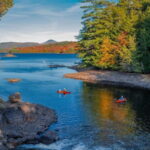
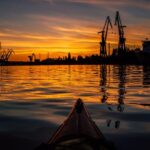
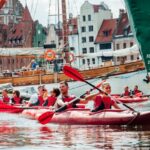
PGE National Stadium from a moving river viewpoint
The first big visual anchor is PGE National Stadium. Seeing it from water level changes the feel. Instead of a landmark you stare at from a distance, it becomes part of your travel scene, like the river is carrying you past a sports and entertainment landmark rather than just a wall of buildings.
Practical upside: it gives you an early reference point. Once you know where the stadium sits relative to your raft, the rest of the route feels easier to track. Possible drawback: stadium views can bring more waves or boat activity depending on the day, so focus on technique and keep your paddle strokes smooth instead of over-correcting.
Most Poniatowskiego, a bridge you feel in your body
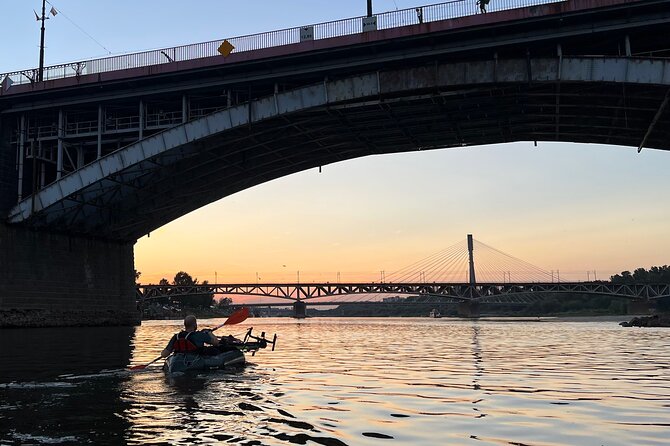
Next up is Most Poniatowskiego. Bridges create a kind of rhythm on a river ride. You pass under or near them, and the surrounding geometry can affect how you move: current lines, wind shifts, and what you’re visually focusing on.
This is one of those segments where the low viewpoint helps you notice details that are hard from street level. You can also use this moment to settle into a comfortable paddling cadence. If you are starting out nervous, you’ll likely feel your confidence spike here because the route is clear and the guide keeps things moving.
Copernicus Science Centre: science in the flow
Passing Copernicus Science Centre adds a different angle to the sightseeing. It is not only architecture, it is a clue to how the riverfront connects culture, education, and the public spaces that line the Vistula.
I find stops like this help prevent the tour from feeling like a checklist. You get story context while you are physically moving through the city.
One consideration: since this is a guided experience, pay attention during the narration. If you keep your eyes on the raft the whole time, you might miss the point of why this stop matters.
Swietokrzyski Bridge: the classic river crossing moment
Then you glide by Swietokrzyski Bridge. Bridges tend to be visual landmarks, and this one is a moment where your perspective really sells the “Warsaw from the river” promise. You can often see the bridge lines extend across your field of view in a way that feels cinematic, even on an ordinary afternoon.
From a rider standpoint, bridge areas can mean extra wind effects. If you feel your raft angled slightly off course, it’s usually a simple paddle adjustment rather than a bigger problem. The best strategy is small corrections, not big swings.
Most Śląsko-Dąbrowski and the riverfront boulevards
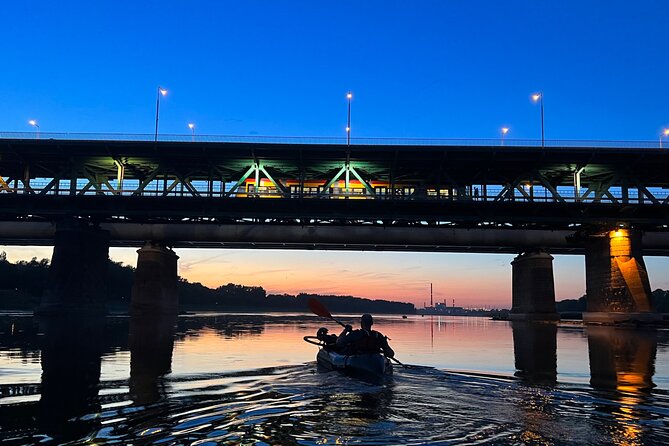
After that, Most Śląsko-Dąbrowski comes next, followed by more of the Bulwary nad Wisłą section of the riverside promenade.
This is where the trip often starts to feel like a real city stroll, just with a paddle. The boulevards are where you can connect what you see to how people actually enjoy the riverbank: the public walkways, the river edge, and the overall layout of Warsaw’s river life.
If you’re a photography person, keep a steady focus here. It is often easier to frame shots once you are comfortable steering the raft. If you’re not confident with paddle rhythm, you might want to keep one hand on the paddle and let the guide describe what you’re passing so you don’t feel rushed.
The island photo break, if conditions allow
The plan also includes a possible stop on one of the Vistula’s islands for a break and exclusive photos, if conditions allow. I like this idea because it breaks up the ride without turning it into a long detour. Even a short stop helps you reset your posture, hydrate, and capture something a bit different from the standard bridge shots.
No island stop is still okay, because the core value is the guided paddle through the heart of the riverfront landmarks. But if you want that extra photo opportunity, aim to bring a camera setup you can hold steady while you rest briefly.
What about timing and weather, really?
This trip is designed for good conditions. If the weather is poor, you’ll be offered a different date or a full refund. Since you’re on a river, wind and water conditions affect comfort and safety. So you should treat weather forecasts seriously, especially if you get cold easily.
You’ll also want to dress for the weather, not for a museum. Bring layers you can move in. The raft ride is only about two hours, but you can still feel cooler once you’re on the water and moving.
If you’re the person who always thinks it looks warmer by the river, you might be right, or you might not. Either way, layers are the smart move.
Who this is best for, and who should think twice
This experience is recommended for everyone, but that does not mean it is effortless. Entering and exiting the packraft requires some balance. If you have knee or mobility challenges, you may find the getting-on and getting-off part more demanding than the paddling itself.
Kids up to 140 cm can ride with an adult in the same boat. Each adult requires a separate boat, which is nice for safety and comfort, and it keeps paddling from turning into a shared-raft puzzle. Pets are unfortunately not accommodated.
It is also built for mixed experience levels. First-timers get training and a calm-water warmup. More experienced paddlers still benefit from having a guided route and a structured safety plan.
Group size is capped at 6 people, which keeps attention on you and helps the pace stay friendly rather than chaotic.
Price value and what to compare it to
When you see a city activity priced at around $39.77, you might wonder if it’s “too cheap” to be good. In this case, the price makes sense because the experience is focused and time-efficient. You get about two hours on the river with full equipment and guidance, without turning it into a half-day logistics project.
Here’s what you are effectively paying for:
- Gear and instruction included, so you do not waste time renting or learning basics alone
- A short, landmark-based route through the Vistula corridor
- Safety orientation so the experience is not improvisation
- A guided narrative, which makes the view land with context instead of just being scenery
If you are choosing between a self-guided rental and a guided paddle, be honest about your comfort level. If you want calm coaching and a route that hits the best-known riverfront sights, this kind of guided packrafting is a strong value.
The practical side: what to bring and how to prepare
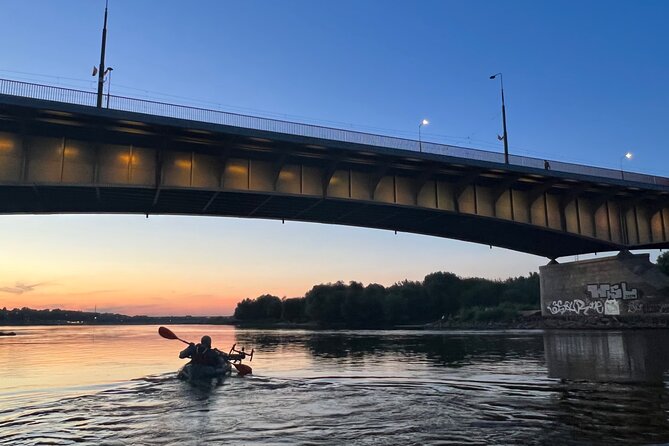
This is not an “airplane baggage” situation, but a little prep helps. Dress according to conditions. Wear something you can get wet, and use layers you can adjust if the sun comes out.
For confidence, focus on the first phase: the harbor training. If you treat that as practice time rather than a test, you will enjoy the rest more.
Also, keep an eye on your group pace. With a max group size of six, the guide can tailor attention, but you still need to listen during briefings and follow instructions for entry and exit.
Finally, if you want photos, consider how you’ll hold a camera or phone while paddling. The best shots are usually from natural pauses near landmarks or the possible island break.
Should you book this Warsaw Vistula packrafting ride?
Book it if you want a real change of perspective in Warsaw, not just another walk. You’ll get Stadion Narodowy views, multiple bridges including Most Poniatowskiego, science-culture context at Copernicus Science Centre, and riverfront scenery along Bulwary nad Wisłą, all with a guide who keeps things clear and friendly.
Skip it or think carefully if balance is a concern for getting in and out, or if you know you get uncomfortable with weather changes. Because the ride depends on good conditions, you should be flexible with your schedule.
If you’re after a short, memorable outdoor experience that still feels like you’re seeing Warsaw in a meaningful way, this is a solid pick. The combination of guided coaching, iconic river landmarks, and the low viewpoint from the Vistula makes it easy to justify, even for a first visit.
FAQ
How long is the packrafting or kayaking experience on the Vistula River?
It lasts about 2 hours.
Where does the ride start and end?
You launch from Port Czerniakowski and finish at Plaża Żoliborz. The activity ends back at the meeting point.
What time does the tour start?
The start time listed is 11:00 am.
Is the experience available in English?
Yes, it is offered in English.
What is included in the price?
The experience includes full equipment, paddling techniques, and safety information.
How big is the group?
The group size is limited to a maximum of 6 people.
Are children allowed?
Children up to 140 cm can travel with an adult in the same boat.
Can pets join the trip?
No, pets are not accommodated.
What happens if weather is poor or you need to cancel?
The experience requires good weather. If it is canceled due to poor weather, you will be offered a different date or a full refund. You can cancel for a full refund up to 24 hours before the experience starts.
Freshly posted from Warsaw
- Warsaw Uprising and WWII Old Town Walking Tour with Museum★ 5.0 · 1 review
- EVERYDAY Warsaw Traditional Food Tour with Old Town Sightseeing★ 5.0 · 1 review
- Warsaw to Auschwitz and Krakow Old Town Full-Day Trip by Car★ 5.0 · 1 review
- A Day in Warsaw: Private Full-Day Highlights Tour★ 5.0 · 1 review
- Pub Crawl with Shots, Discounts, Games & VIP Entry★ 5.0 · 1 review
- POLIN Museum of the History of Polish Jews : PRIVATE TOUR /inc. Pick-up/★ 5.0 · 1 review
- Private Guided Warsaw Walking Tour with Drone Photography★ 5.0 · 1 review
Vistula & Motlawa River Cruises, compared.
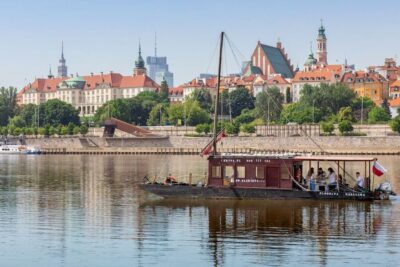
Traditional Galar Cruise on The Vistula River
Read our review →
Day or Night Vistula River Cruise with Audio Guide
Read our review →
Sightseeing Cruise on Vistula River with Audio Guide
Read our review →
Vistula River Sightseeing Cruise with Audio Guide
Read our review →
Krakow by night 60 minutes cruise The Vistula River Krakow
Read our review →Browse the lists this tour appears in