Reviewed · TICKETS
Międzyzdroje: Baltic Park of Miniatures Entry Ticket
Miniatures can feel like a magic trick. In Międzyzdroje’s Baltic Park of Miniatures, I love how the models are scaled to 1:25 and paired with clear, history-focused explanations, and I especially like the miniature railroads display that pulls kids and adults in. One thing to consider: the main route is built around a 45-minute walk, so if you want a long, slow museum-style visit, you may want extra time to linger at the rail scene.
What makes this ticket worth your time is that you are not just looking at buildings. You follow a miniature Baltic coastline where the placement reflects real geography, then you get the bigger story from guides speaking Polish, English, and German.
In This Review
- Quick hits to know before you go
- Entering Międzyzdroje’s Baltic Miniature World
- Your 45-Minute Baltic Coast Walk
- 1:25 Monuments and Lighthouses Across Multiple Countries
- Where the Guides Make the Models Meaningful
- The 500 m2 Miniature Railroads Area
- Why the Location of Models Matters (More Than You Think)
- Price and Value for a 1-Day Ticket
- Best Ways to Plan Your Visit in Międzyzdroje
- Who Should Book This Ticket (and Who Might Skip)
- Should You Book the Międzyzdroje Baltic Park of Miniatures?
- FAQ
- How long is the experience at Baltic Park of Miniatures?
- What does the ticket include?
- What languages are available with the host or guide?
- Is the ticket valid for only one specific time slot?
- Is the park accessible for wheelchair users?
- Can I cancel and get a refund?
Quick hits to know before you go
- 1:25 scale models of monuments and lighthouses across the Baltic region
- A guided 45-minute walk that follows a miniature Baltic coast
- Country-by-country placement based on real Baltic Sea geography
- A model railroads area on 500 m2 that is easy to watch and hard to ignore
- A well-kept park feel that makes it comfortable to slow down and look closely
Entering Międzyzdroje’s Baltic Miniature World
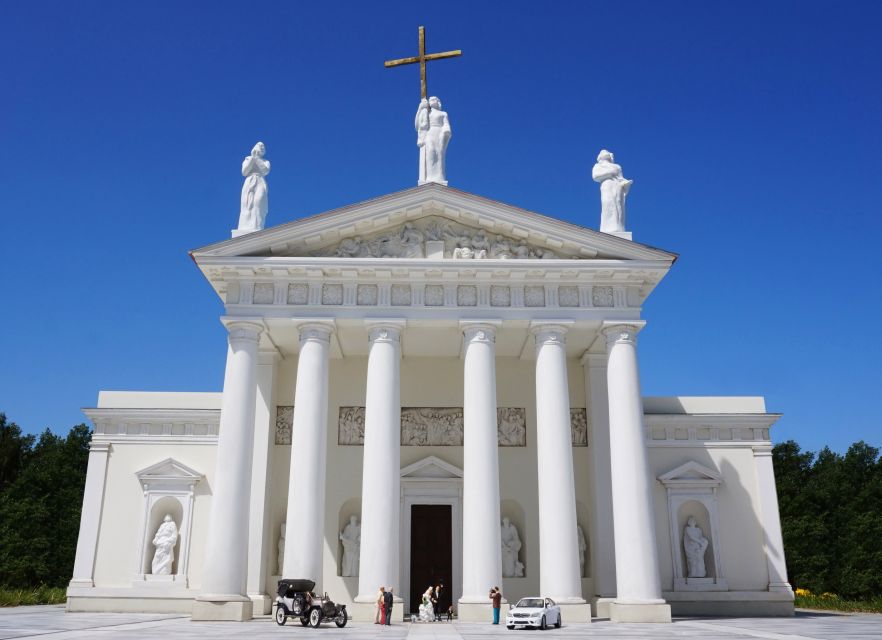
Międzyzdroje is a good base if you want to explore the West Pomeranian coast, and the Baltic Park of Miniatures is a smart add-on because it compresses a lot of Baltic geography into one walk. Instead of driving from site to site, you get a focused, map-like experience you can finish without burning a whole day.
The park’s concept is simple and effective: you walk along a miniature coastline, then you see major monuments and lighthouses from several Baltic countries as detailed scale models. It is also designed as a multicultural experience, with the models arranged so the overall route resembles how the Baltic region fits together.
If you enjoy history and geography as you travel, this format works because it turns big ideas into something you can point at. And even if you are not a model-obsessed person, the sheer variety keeps it interesting.
Your 45-Minute Baltic Coast Walk
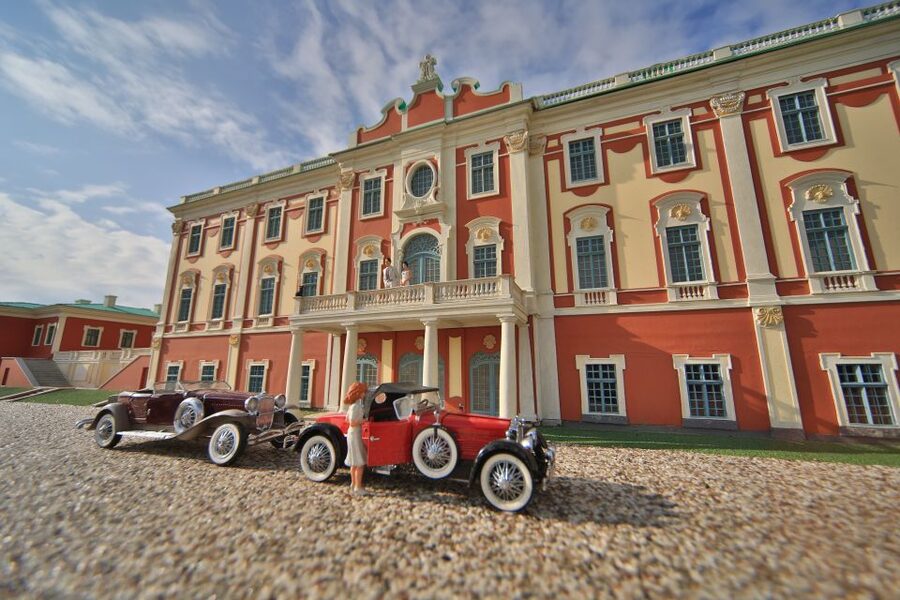
Your visit is built around a guided loop of about 45 minutes. You walk along the miniature Baltic coast, and that layout is the core of the experience. As you move, you effectively cross the borders of the countries around the Baltic Sea in a way that feels intuitive, not abstract.
This is where the ticket earns its “value for time” reputation. You do not need to know every country or every monument ahead of time. The park is designed to guide your attention, with the route acting like a physical tour of the Baltic map.
Practical tip: wear comfortable shoes and go in with a slow, look-forward mindset. Models reward patience. If you rush, you will skim the details that make the whole point of scale models worth it.
1:25 Monuments and Lighthouses Across Multiple Countries
The park’s centerpiece is its collection of miniature monuments and lighthouses in 1:25 scale. That scale matters because it is detailed enough to feel like more than toy-like replicas, while still fitting into a walking experience.
You will see models linked to countries along the Baltic Sea, including Poland, Germany, Denmark, Sweden, Finland, Russia, Lithuania, Latvia, and Estonia. The park also specifically calls out lighthouses, so if you like maritime architecture or navigation landmarks, you have a lot to look for.
What I like about this approach is that it gives you a cross-region snapshot without forcing you to do a cross-border itinerary. It is a quick way to spot recurring themes in the Baltic region, from coastal heritage to how lighthouses functioned as practical tools and cultural symbols.
A small consideration: if you are expecting a traditional museum with long indoor explanations, this experience is more “walk and look.” The guided story is tied to the models you pass, so your attention matters.
Where the Guides Make the Models Meaningful
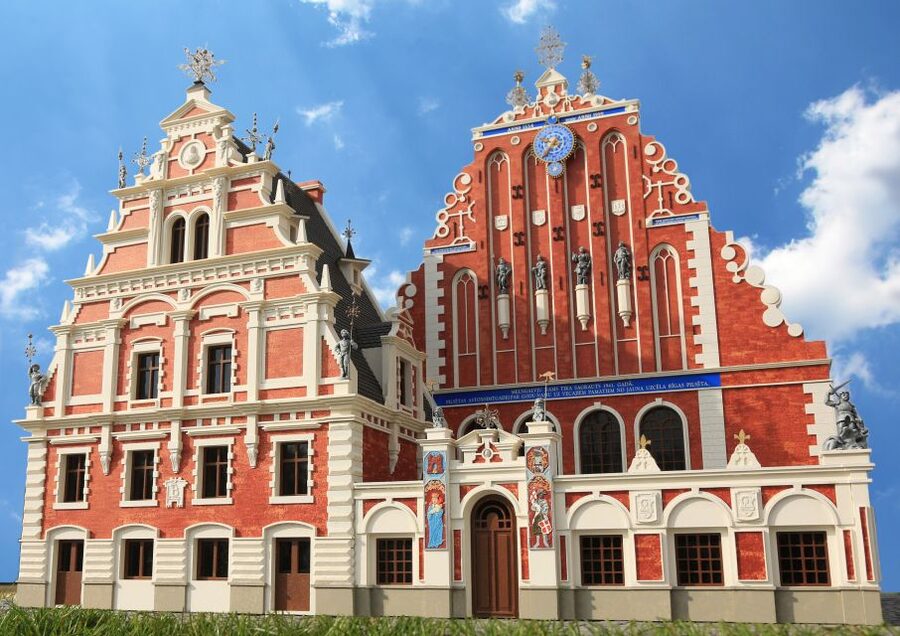
The guides are there for a reason. The park does not treat each model as a random display. They tell the history tied to what you are seeing, so the models connect to real-world places and context.
This is one of the biggest differences between looking at any collection and understanding what you’re looking at. Even if you only catch part of the story, the guide’s explanations help you place each monument or lighthouse into a bigger Baltic narrative.
Language options also help you feel grounded. You can choose among guides speaking Polish, English, and German, which makes it easier to follow the historical thread without constantly guessing.
Practical tip: if you care about understanding the details, stand still for a moment when a guide points out something specific. The best way to get value here is to let the walk set the pace, then stop where your curiosity spikes.
The 500 m2 Miniature Railroads Area
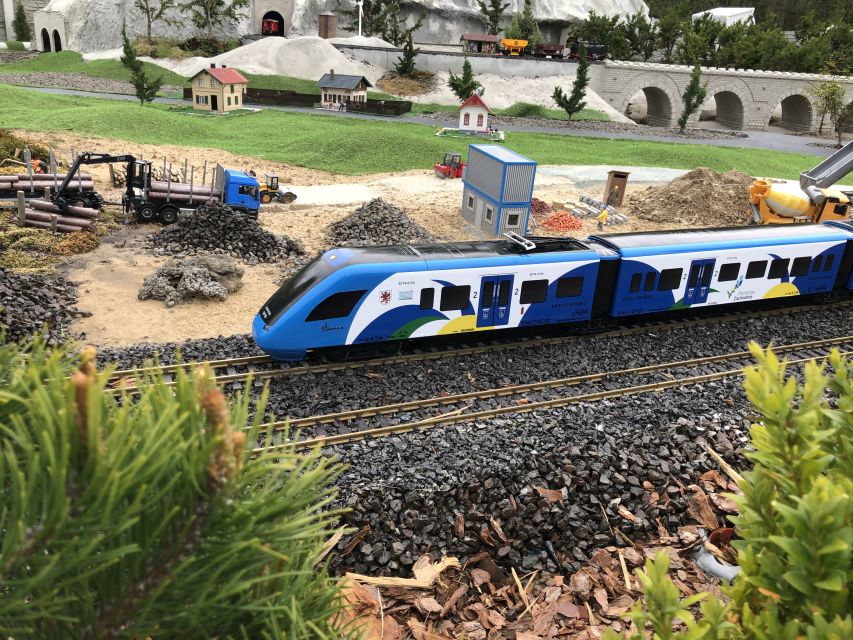
If you want a single “crowd magnet,” the park’s miniature railroads are it. The description calls the railroads the dessert of the experience, and that is a fair way to think about it. After the coastal walk, this area becomes the playful, high-attention zone where people keep circling back.
The display covers 500 m2, which is big enough that you can watch it like a show. What I appreciate is that the rail scene is not only for kids. It is visually busy in a fun way, and it gives adults a different kind of enjoyment: tracking movement, comparing angles, and noticing the work behind the modeling.
Practical tip: plan to spend time here even if you think you will be “just passing through.” This is the part where you naturally end up closer to the action, and it is also the part you can re-watch while the main walk is behind you.
Why the Location of Models Matters (More Than You Think)
The park is not random. The chosen theme and the placement of the models follow the miniature Baltic Sea idea, with the models arranged according to their actual locations. That means the walk functions like a physical geography lesson.
This kind of layout can do something most map-based travel plans cannot. It helps you build spatial memory. After your visit, you will likely remember where certain countries sit relative to others, not because you studied a chart, but because you walked a coastline that matched the real world.
And because the park includes multiple countries and a focus on maritime landmarks, it creates a multicultural feel without feeling political. You get the Baltic region as a shared space shaped by coastlines, trade routes, and navigation needs.
This is especially useful if you are planning a later trip. You can come here first to get the map in your head, then use real-world travel to chase the monuments that caught your eye.
Price and Value for a 1-Day Ticket
The ticket is listed at $12 per person, and the park runs for 1 day with available starting times. On paper, this can look like a simple entry ticket, but in practice it is a value play because you are getting two distinct experiences in one visit: the guided coastal walk plus the larger railroads showcase.
You are also paying for scale and storytelling. Building detailed 1:25 models takes time and materials, and the park includes guides who share history tied to what you see. That combination tends to justify the price better than a static display that never explains itself.
A fair way to think about cost: if you enjoy guided context and you like model craftsmanship, you get a lot of attention-per-dollar. If you are purely “pass through and snap photos” type of visitor, you might feel the pull less. You will still see a lot, but you may not feel the value as strongly.
Best Ways to Plan Your Visit in Międzyzdroje
This experience works best when you treat it like a short tour with time to look. The core walk is about 45 minutes, but the railroads area is where you often slow down.
If you are combining this with other Międzyzdroje plans, think of it like a cultural break between beach time and longer excursions. It is not demanding on energy, but it is rewarding for attention.
Language choice matters too. If you speak German or Polish well, you can get more from the guided explanations. If you are comfortable in English, that works nicely as well. Pick the language that will let you follow the historical notes without straining.
One more practical tip: bring the mindset of a careful observer. When you spot a lighthouse model, pause and look for the details that make lighthouses recognizable, then let the guide’s story fill in why it matters.
Who Should Book This Ticket (and Who Might Skip)
I think this ticket is a great fit if you want a compact, map-based way to understand the Baltic region. It is also a strong choice for families, because the railroads area is designed to keep both small and large focused.
It is also a good option if you enjoy photography of detailed subjects, especially coastal architecture and model craftsmanship. Even if you do not consider yourself a “model person,” the sheer variety across countries can spark curiosity quickly.
You might skip it if you want a long, multi-hour museum experience with lots of separate galleries. This is more about a single guided route and then a major rail scene. If you need a deep, multi-block program, plan something else alongside.
Should You Book the Międzyzdroje Baltic Park of Miniatures?
Book it if you like guided context, scale models, and a clear geography theme. With $12 and about 45 minutes of guided walking, plus the 500 m2 railroads area to extend the fun, it is an efficient way to spend time that also feels meaningful.
I would also book it if you are traveling through West Pomeranian and want something different from the usual coastal sightseeing. This park gives you a Baltic overview that you can carry into your next real-world stop.
If you only want the biggest outdoor attractions and do not care about models or maritime landmarks, the value may feel smaller. But if any part of you enjoys history tied to place, you will likely have a satisfying, easygoing visit.
FAQ
How long is the experience at Baltic Park of Miniatures?
The visit includes a guided 45-minute journey around the Baltic Sea miniature coast, and the ticket is valid for 1 day.
What does the ticket include?
Your ticket lets you explore the Europe-in-miniature experience at the Baltic Park of Miniatury.
What languages are available with the host or guide?
The host or greeter and guiding are available in Polish, English, and German.
Is the ticket valid for only one specific time slot?
It is valid for 1 day, and you should check availability to see the starting times.
Is the park accessible for wheelchair users?
Yes, the attraction is listed as wheelchair accessible.
Can I cancel and get a refund?
The experience offers free cancellation up to 24 hours in advance for a full refund, and it also offers a reserve now & pay later option.
Tickets, compared.
Krakow to Auschwitz Birkenau Guided Tour with Transfer and Ticket
Read our review →
Wieliczka Salt Mine Fast-Track Ticket & Guided Tour
Read our review →
Auschwitz Birkenau Guided Tour with Ticket Hotel Pickup Small Van
Read our review →
Schindler’s Factory Ticket and Guided Tour Option
Read our review →
Wieliczka Salt Mine Tour & Skip the Line Ticket
Read our review →
Auschwitz-Birkenau Guided Tour with Ticket and Transfer
Read our review →