
Reviewed · MALBORK CASTLE TRIPS
MALBORK: Castle of the Teutonic Oder from Warsaw – private
Malbork turns a day trip into a time machine. In about 13 hours, you’ll travel from Warsaw to one of the biggest medieval fortresses on Earth, then walk through the Teutonic Order’s halls like you’re tracing knightly footsteps. I love how the visit is structured by castle sections, so you understand where power, religion, and daily life actually happened. I also like that you get more than stone walls, you see sculptures and military material, and you even taste medieval food prepared from original-style recipes. One thing to plan for is the long drive, it’s a full day (7am to about 8:30pm), so comfort and timing matter.
This is also a private outing, so the day feels less rushed than a jam-packed group bus situation. If you go in July or August, you’ll have an English-speaking guide in the castle, and the guided storytelling can really pull the complex into focus. In other months, the pace depends more on the included audioguide, and one previous guest found the directions hard to follow and often didn’t know where to go next. Comfortable shoes are not optional here.
In This Review
- Key highlights I’d build your day around
- A 7am start from Warsaw that actually makes sense
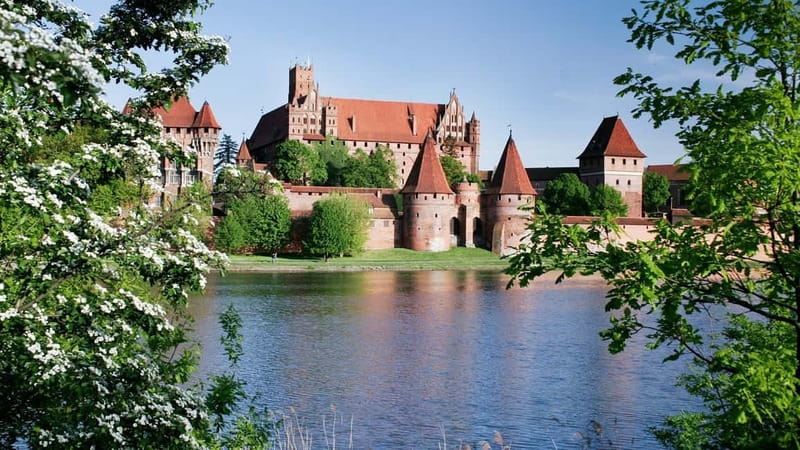
- Malbork Castle at a glance: why this fortress feels different
- Entering the High Castle convent complex
- Moving into the Middle Castle: refectories, basements, and kitchens
- The Palace of the Grand Masters and the spaces of authority
- The exhibitions: amber, stained-glass, and armor you can’t ignore
- Medieval food included, and yes, it matters
- Private day trip pacing: what you’ll feel on your feet
- Price and value for a 13-hour private outing
- Small extras to know: the observation tower fee
- Tips that make the day go smoother
- Should you book the Warsaw to Malbork private tour?
- FAQ
- What time does the tour depart from Warsaw?
- What time does the tour return?
- How long is the day trip?
- Is there a live English guide included?
- What does the tour include in the castle?
- Is lunch included?
- Is the observation tower included?
- What should I bring?
- Are pets allowed?
Key highlights I’d build your day around
- Door-to-door transport from your hotel in Warsaw, then back again the same day
- High Castle walkthrough, including the convent and related chambers
- Middle Castle areas like the Great Refectory, kitchen, and basements
- Palace of the Grand Masters spaces, including the summer refectory and the Low Hall
- Collections and displays across amber, ceramics, textiles, and a major arms and armor exhibit
- Medieval food included, prepared according to original recipes
A 7am start from Warsaw that actually makes sense
This tour is designed as a one-day, from-Warsaw-to-Malbork mission. You depart at 7am, and you’re back around 8:30pm. That sounds like a lot, and it is, but it also means you’re not trying to cram Malbork into a half-day window.
The setup is practical. Your driver/coordinator picks you up at your hotel or apartment entrance and waits with a name card. You also get door-to-door transport, which matters because Malbork is not the kind of place you want to stumble through with buses and transfers when you’d rather be looking at the castle walls.
The drive is long, but the experience value comes from what that long ride buys you: a structured castle visit that you can’t easily replicate on your own if you want the history explained in real time.
One small note from real experience: the smooth ride and the overall day flow impressed guests, especially when the driver helped set a relaxed tone early on.
More of the largest brick castle anywhere:
- Gdansk and Malbork Castle Small Group Tour from Warsaw with Lunch
★ 4.5 · 20 reviews - From Warsaw: Tour to Malbork Castle and Gdansk or Sopot
★ 5.0 · 10 reviews - From Gdansk: Half-Day Malbork Castle Tour with Audioguide
★ 4.7 · 174 reviews
Malbork Castle at a glance: why this fortress feels different
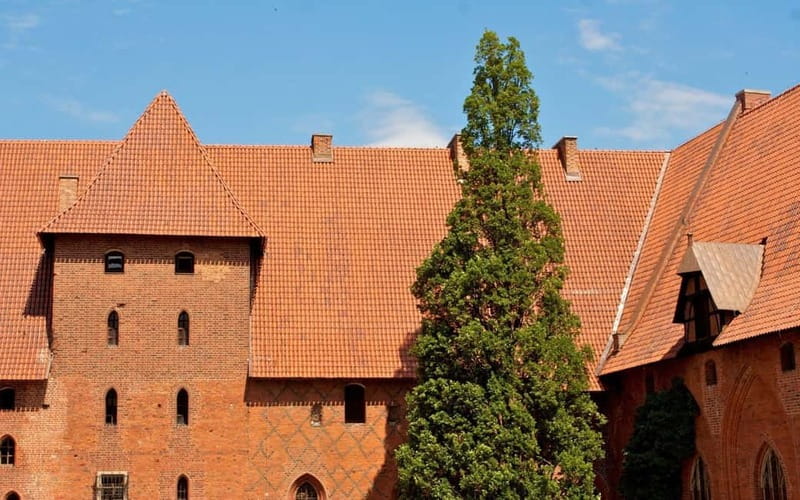
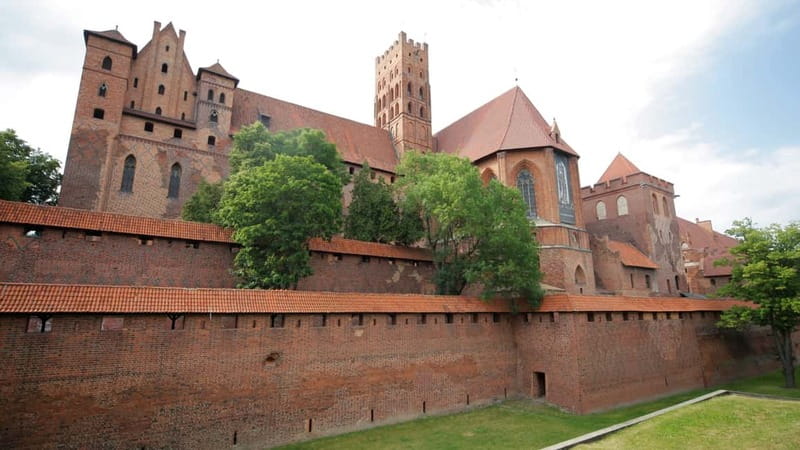
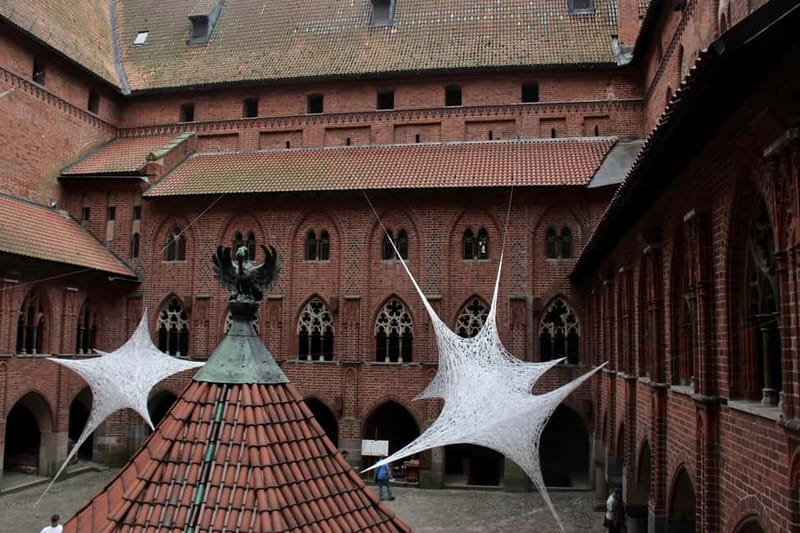
When you arrive, Malbork Castle is not a single building you wander through. It’s a whole castle complex, built up over centuries and divided into areas that each served a specific function. That layout is why this works well as a guided visit, and it’s why I’d avoid treating it like a casual photo stop.
You’ll explore multiple sections in sequence:
- High Castle
- Middle Castle
- Palace of the Grand Masters
That order matters because it matches how the complex is organized. You’ll move from the convent-centered spaces into areas connected to daily life and into the grander ruling quarters. If you’re the type who likes understanding where you are before you start snapping pictures, this structure is a win.
Also, Malbork isn’t just about architecture. You’ll see a collection that spans everyday materials and military tools, including amber, ceramics, furniture, textiles, stained-glass, engravings, and more. That variety helps you picture the Teutonic Order as a functioning system, not just a set of uniforms.
Entering the High Castle convent complex
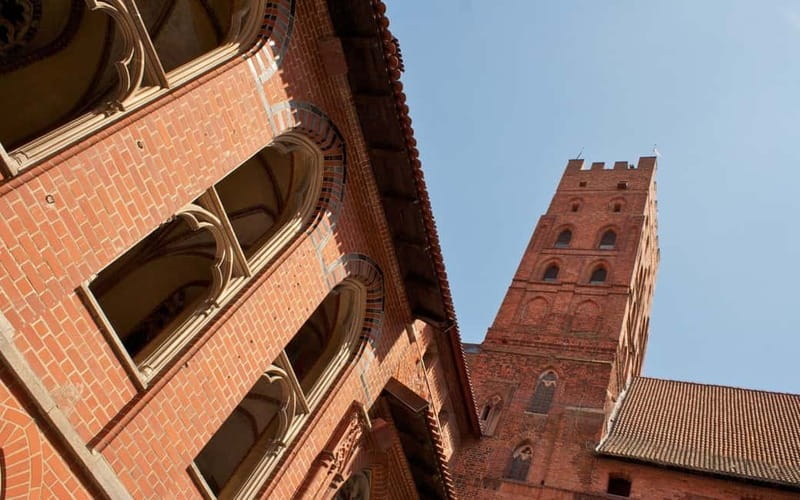
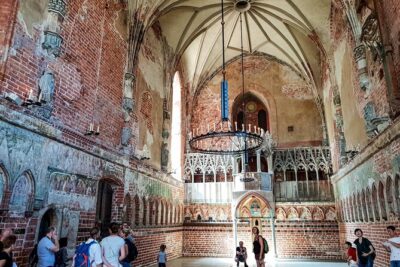
The visit begins with the High Castle, which holds the convent and its surrounding features. This is where you start to understand the “why” behind the fortress. The Teutonic Order wasn’t only about warfare, it also had religious structure and ceremonial spaces.
Expect to see areas connected to convent life and reflection, including the convent’s reflection and the Convention Chamber. Even if your history background is limited, these are the kinds of room names that guide your imagination. You start thinking: Who was here? What did they do? How did their space support their mission?
The High Castle is also where you’ll likely feel the castle scale most. The architecture is meant to impress, and it does, but the best part is that you’ll learn how the spaces fit their roles, not just their appearance.
In July and August, the experience can be especially strong because a professional English-speaking guide is included. One guest highlighted a specific castle guide, Margaret, as extremely informative, and that kind of clarity is what turns a stunning building into a story you can actually follow.
Moving into the Middle Castle: refectories, basements, and kitchens
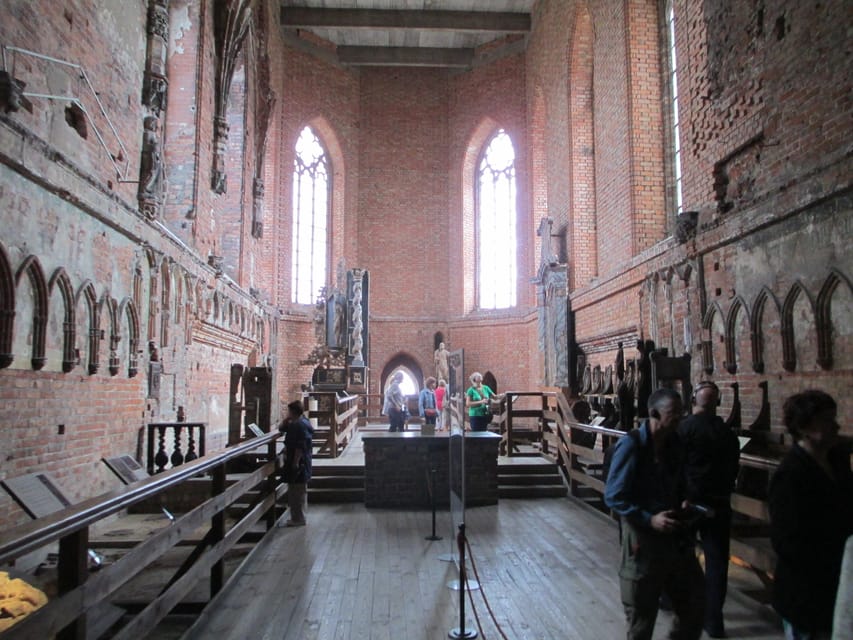
After the convent-centered High Castle, the tour shifts down to the Middle Castle. This is where the day-to-day reality comes forward. You’ll visit places like the Great Refectory, plus the basements and kitchen areas.
I like this part because it pulls you away from only thinking about rulers and ceremonies. The refectory is a key place in castle life. It’s where meals happen, and meals are where routines show up. Basements and kitchen areas can also be a reality check, because they remind you that big stone fortresses also depended on practical food prep, storage, and systems that kept people alive.
One question you should ask yourself while walking here: How did food move through the building, and who handled it? The layout naturally encourages that kind of thinking, and it pairs well with the medieval food tasting later in the day.
This middle section is also where you can benefit most from staying patient. The complex has a lot of rooms and exhibits, so if you rush, you might miss the logic of the space.
Still tacked up around Warsaw




The Palace of the Grand Masters and the spaces of authority
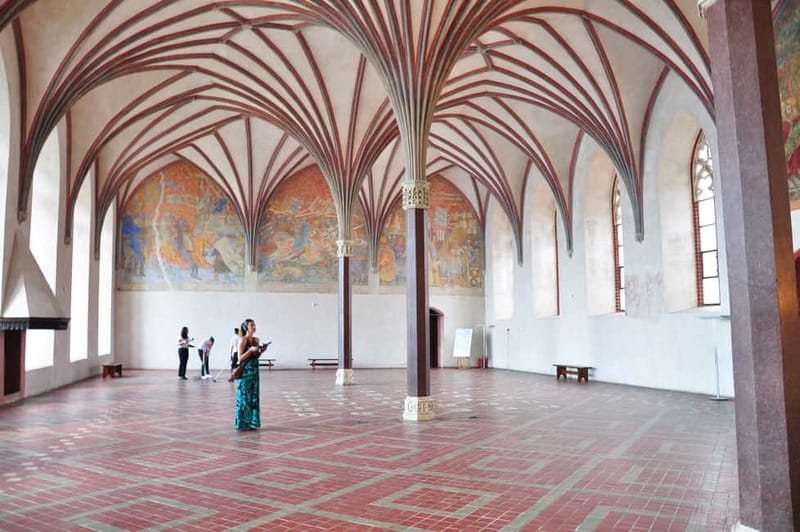
Next comes the Palace of the Grand Masters. This is the stage for leadership, and you’ll step into the more formal, representational parts of the complex.
You’ll visit spaces such as:
- the Summer Refectory
- the Low Hall
Even without a deep background, you can feel the contrast. Compared to convent and daily-life spaces, these rooms aim to communicate authority and order.
This is also a strong zone for your questions as a visitor. You’re not just looking at walls now. You’re thinking about power, hierarchy, and how an organization staged its identity in stone. That’s especially true because you’ll also see the military-focused exhibits across the complex, which gives you a fuller picture of how “spiritual mission” and “military structure” coexisted.
The exhibitions: amber, stained-glass, and armor you can’t ignore
A major reason Malbork feels vivid is the way the displays broaden the castle beyond architecture. As you explore, you’ll encounter an impressive range of collections and archaeology exhibits, including:
- amber
- ceramics
- furniture
- military items
- textiles
- stained-glass
- engravings
- and more
Then there’s the big one for many visitors: the military exhibit, with an array of armor and weaponry. If you’re even mildly interested in how people actually fought and equipped themselves, don’t skim this section. Armor and weapon displays can be static if you don’t know what you’re looking at, but a guided visit helps connect the artifacts to the people and the era.
I also like that the exhibit mix gives you a mental two-track view. One track is the castle as a religious and administrative center. The other track is the castle as a military machine that needed supplies, planning, and specialized equipment.
If you come in with a clear curiosity about both angles, Malbork rewards you.
Medieval food included, and yes, it matters
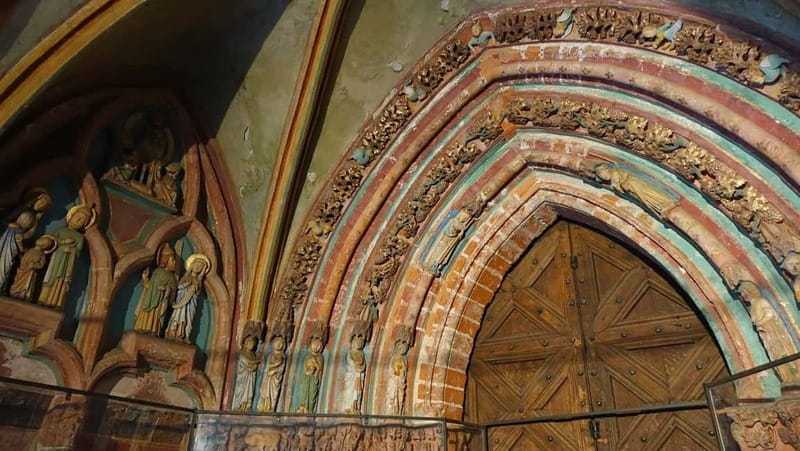
Lunch is not included, but the tour includes a medieval food tasting prepared according to original recipes. This is one of those “small detail that changes the day” inclusions.
You’re not just reading about the Middle Ages. You’re tasting a version of what people might have eaten in a castle setting built around Teutonic life. Even if you don’t consider yourself a food person, this is a chance to experience how the tour’s theme becomes something you can physically understand.
Because lunch is not included, plan to eat something before or after the tour meal. Also keep in mind you’ll be walking a lot, and the day is long. If you tend to get hungry late, build a little buffer into your timing outside the included food.
Private day trip pacing: what you’ll feel on your feet
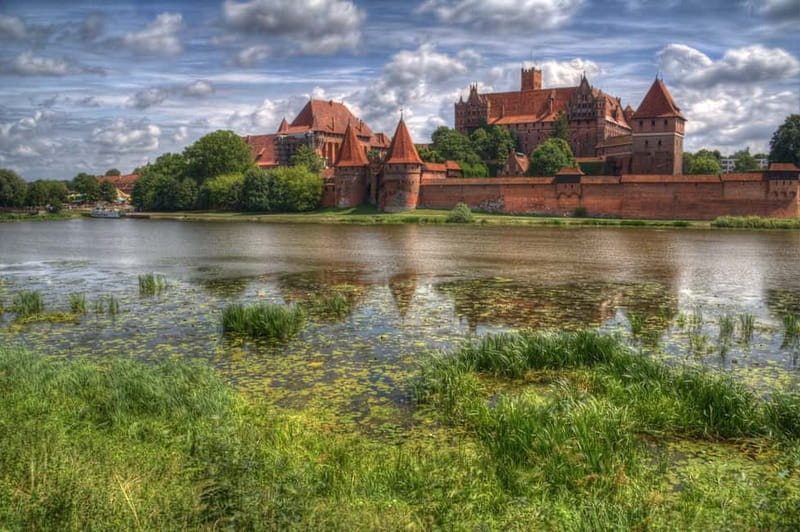
This is a full-day outing. You should expect time walking through multiple castle areas and moving between exhibits. The building is large, and you’ll be on your feet for most of the day.
The tour explicitly recommends comfortable shoes, and I agree. If you show up in dress shoes, you’ll spend the afternoon thinking about blisters instead of knights. That’s not the trade you want.
Pacing also depends on the season:
- July and August: you get a professional English-speaking guide for the guided castle tour.
- Other months: you get an audioguide with GPS support.
This is where one useful review detail comes in. In a summer visit, a guest said their day with the driver was excellent, but they used the audio guide and found the directions hard to follow, often not knowing where to go next. That doesn’t mean the audioguide is broken, but it does tell you something important: if you rely on audio guidance, you may still want to stop, re-orient yourself, and ask questions when possible.
If you’re someone who gets lost easily in large sites, consider traveling in July or August when a live guide is available.
Price and value for a 13-hour private outing
At $304 per person, this tour isn’t cheap in the casual sense. But you’re not paying for a quick bus ride. You’re paying for a combination of:
- door-to-door transport from Warsaw
- entry to Malbork Castle
- a private setup
- and English guidance in July and August, plus audioguide support at other times
- plus the medieval food tasting
Also, private transport usually reduces friction. You do not have to coordinate your own timing into a long one-day excursion. For some travelers, that alone is worth real money.
To decide if it’s value for you, ask this:
Do I want the castle explained clearly, or am I fine exploring on my own and reading signs?
If you want explanation and structure, the price starts looking reasonable because you’re getting a full-day interpretation package, not just admission.
If you’re traveling as a couple or small group, private value tends to feel better because you split the time cost over fewer people. If you’re solo, it still may be worth it if you want a guided experience without navigating the logistics yourself.
Small extras to know: the observation tower fee
Most visits focus on the main castle sections and included exhibits. But there’s an extra option: the observation tower has an additional fee of 8 PLN (about 2 Euro).
This is optional. You’ll likely decide based on your energy and your interest in viewpoints. If you like sweeping views and you still have stamina, it’s a nice add-on. If you’d rather spend every minute on the interiors and exhibits, you can skip it.
Tips that make the day go smoother
A long day trip like this goes best when you treat it like a mission, not a casual wander.
- Wear comfortable shoes and dress for long walking.
- Bring a strategy for navigation, especially outside July and August when you use the audioguide. Pause when you need to, don’t assume the route is obvious.
- Since lunch is not included, plan your food around the included medieval tasting. If you don’t like waiting, eat before you go and then keep your day’s energy stable.
And mentally, go in with the expectation that Malbork is not only pretty. It’s complex. But the payoff is that the complex becomes understandable when you follow the High Castle, Middle Castle, and Grand Masters flow.
Should you book the Warsaw to Malbork private tour?
I’d book this if you want a one-day, high-structure visit to Malbork Castle without wrestling transport or deciding what to prioritize. The day is long, but the experience is built to match the site’s logic, and the included interpretation options make it easier to understand what you’re seeing.
I would hesitate if you are sensitive to long days and you prefer a fully self-directed pace with no reliance on directions. The audioguide option in non-summer months could frustrate you if you like everything to be perfectly straightforward, especially given at least one report of confusing audio directions.
My practical recommendation:
- Choose this tour in July or August if you want the most confident, smooth experience with an English-speaking guide.
- Choose it outside those months only if you’re comfortable using a GPS audioguide and you don’t mind stopping to get your bearings.
If you check those boxes, you’ll likely leave feeling like you didn’t just visit Malbork, you understood it.
FAQ
What time does the tour depart from Warsaw?
The trip starts with a 7am departure from Warsaw.
What time does the tour return?
You return around 8:30pm.
How long is the day trip?
It lasts 13 hours.
Is there a live English guide included?
In July and August, the guided tour in English is included. In other months, you’ll use an included audioguide with GPS.
What does the tour include in the castle?
You’ll visit multiple castle sections, including the High Castle, the Middle Castle, and the Palace of the Grand Masters, plus the castle’s exhibits and collections.
Is lunch included?
No. Lunch is not included.
Is the observation tower included?
No. The observation tower ticket costs an additional 8 PLN (about 2 Euro).
What should I bring?
Bring comfortable shoes for a full day of walking.
Are pets allowed?
No, pets are not allowed.
Freshly posted from Warsaw
- Warsaw Uprising and WWII Old Town Walking Tour with Museum★ 5.0 · 1 review
- EVERYDAY Warsaw Traditional Food Tour with Old Town Sightseeing★ 5.0 · 1 review
- Warsaw to Auschwitz and Krakow Old Town Full-Day Trip by Car★ 5.0 · 1 review
- A Day in Warsaw: Private Full-Day Highlights Tour★ 5.0 · 1 review
- Pub Crawl with Shots, Discounts, Games & VIP Entry★ 5.0 · 1 review
- POLIN Museum of the History of Polish Jews : PRIVATE TOUR /inc. Pick-up/★ 5.0 · 1 review
- Private Guided Warsaw Walking Tour with Drone Photography★ 5.0 · 1 review
Malbork Castle Trips, compared.

Malbork Castle and Westerplatte Tour with Lunch
Read our review →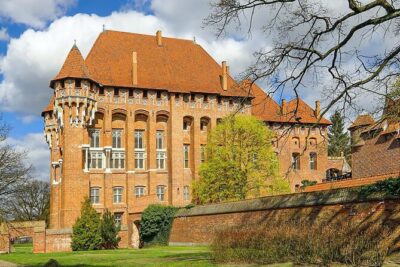


Malbork Castle Tour: 6-Hour Private Tour to The Largest Castle in The World
Read our review →Browse the lists this tour appears in