
Reviewed · WALKING TOURS
Lublin Old Town Highlights Private Walking Tour
Lublin feels like a living old textbook. I love how a private guide ties the streets to Polish kings and everyday traditions, and I love the drama of Lublin Castle. One thing to keep in mind is Sunday mornings, when mass can limit what you can see and many stops may be outside only.
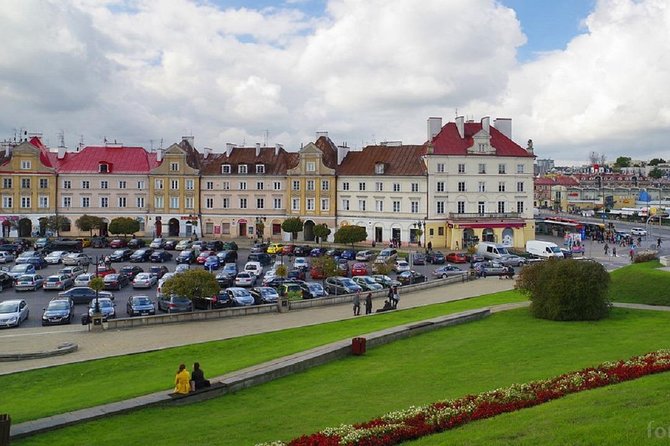
This is a walking tour built for the Old Town details: narrow lanes, historic gates, and the layered look of an older city that still feels real. You focus on the Market Square area, Renaissance facades, and key remnants like Fara Square, so you leave with a clear mental map and a sense of how the city grew.
The base walk runs about two hours, with an easy option to extend to three hours for extra churches and grand interiors. If you want extra height views, there is an optional Trinity Tower ticket (about 2 EUR), but you can skip it and still get the full story.
In This Review
- Key things that make this Lublin tour work
- Why Lublin Old Town feels easy to understand on foot
- Meeting at Krakowska Gate, then straight into the Market Square scene
- From Krakowska Gate to Grodzka Gate, how the walls shaped the city
- Fara Square and Trinity Tower remains, catching the medieval layer
- Lublin Castle, neo-Gothic drama that you can actually picture
- Inside St. John the Baptist Cathedral, organs and atmosphere
- The Church of the Holy Spirit and spectacular altar moments
- Optional third hour: Carmelite Church and St. Piotr and Paul
- Romanesque townhouses, Theatre of Osterwy, then the Union Monument ending
- Price and value: what you get for about $107 per person
- Who should book this private Lublin highlights walk
- Should you book the Lublin Old Town Highlights private walking tour?
- FAQ
- Where is the meeting point?
- How long is the tour?
- Is this tour private?
- What languages are available?
- What is included in the tour?
- Is Trinity Tower included?
- What happens on Sunday mornings?
- Is the tour wheelchair accessible?
Key things that make this Lublin tour work
- Private pace with a licensed guide, plus time to ask questions as you walk
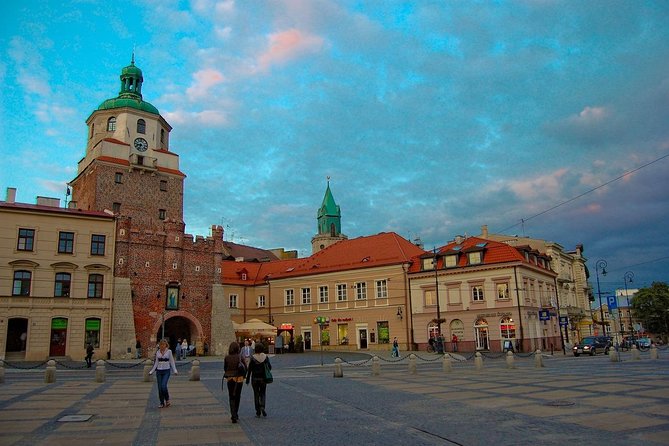
- Historic city gates through 14th century defensive walls, Krakowska Gate and Grodzka Gate
- Lublin Castle and its neo-Gothic feel, a major landmark you see up close
- Cathedral time with the organ focus, especially at St. John the Baptist Cathedral
- Optional extra churches in the third hour, including Carmelite Church and St. Piotr and Paul
- A smart ending at the Lublin Union Monument, where the symbolism lands
Why Lublin Old Town feels easy to understand on foot
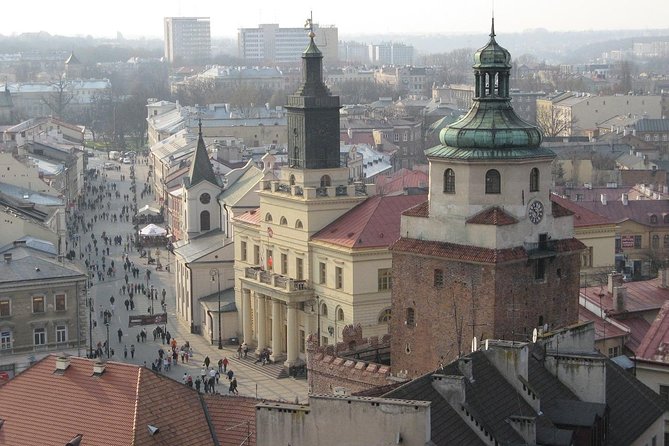
Lublin is one of those cities where the buildings do the explaining. You do not just pass them, you connect them, one stop at a time. The Old Town here is described as one of the best preserved historic complexes in Poland, and that matters because you can actually follow the city’s logic.
On this tour, the route is tight and intentional. You start where the medieval walls and defenses once made decisions for travelers. Then you move toward the center where trade and administration mattered. After that, you shift to the religious landmarks, which is where Lublin’s style and craftsmanship really show themselves.
I also like that it is not a checklist tour. You get context about Polish traditions and customs alongside the architecture. That balance helps the trip feel less like memorizing names and more like understanding the city as a place people lived.
More Polish squares crossed on foot:
- Lublin: Old Town Highlights Private Walking Tour
★ 5.0 · 6 reviews - Fascinating Highlights of Lublin – Private Walking Tour
★ 5.0 · 4 reviews - Warsaw: Old Town Highlights Walking Tour in English
★ 4.7 · 1,516 reviews
Meeting at Krakowska Gate, then straight into the Market Square scene
Your guide meets you under Krakowska Gate, a logical starting point because it is tied to Lublin’s defensive past. From there, you head into the heart of the historic center around the Market Square.
This is where the tour gets practical fast. Market Square is the kind of place you can orient yourself in immediately, even if you have never been to Lublin before. As you walk the surrounding streets, you spot Renaissance buildings and talk through what made this area central to city life.
A key stop here is the former Town Hall area. It is the kind of detail many visitors miss if they are only skimming, but with a guide you understand what this building’s role would have been in a city that handled administration, trade, and military needs.
If you like photos, the Market Square streets deliver. If you prefer not to spend half your day shooting pictures, you still benefit because the guide uses the streets to explain. Either way, you will leave with a much clearer sense of where you are in the city.
From Krakowska Gate to Grodzka Gate, how the walls shaped the city
The route continues through the historic gates that remain from the defensive walls built in the 14th century. You will see Krakowska Gate and later Grodzka Gate, and the conversation around them is what makes the gates more than pretty stone.
Here is the value: gates tell you where movement was controlled. They explain why certain streets matter, why some corners feel like natural choke points, and how a city defended itself without turning into a fortress museum. The guide frames the gates as part of a functioning system, not a relic that only exists for postcards.
While you walk, you also get a sense of how Lublin’s power worked. In earlier centuries, the city played an important administrative, trade, and military role in the Polish kingdom. Knowing that context changes how you read the streets. Suddenly, the center does not feel random. It feels planned.
Also, this is where the walking tour format shines. You see the line of movement through the Old Town instead of viewing it from one spot. Your legs do the work, and your brain connects the dots.
Fara Square and Trinity Tower remains, catching the medieval layer
Next, you shift toward Fara Square and the extremely old remains connected to the area around Trinity Tower. You are not stuck reading about the Middle Ages from a sign. You actually stand in the neighborhood where that history sits underfoot.
This stop is short, but it is meaningful because it adds a layer to what you already learned at the gates and Market Square. You start noticing that Lublin’s Old Town is not one era. It is many eras stacked together.
If you are curious about vertical views, the Trinity Tower entrance is optional, with a ticket cost of about 2 EUR. You can decide based on time and energy. Even if you skip the tower climb, you still get the story behind why this area mattered.
I like that the tour gives you permission to choose. You can prioritize the inside stops or keep momentum. Either way, the tour does not leave you feeling like you missed the main thing.
Lublin Castle, neo-Gothic drama that you can actually picture
After the older layers, the tour moves to the headline landmark: Lublin Castle. The guide focuses on the castle’s neo-Gothic look, which is an interesting contrast to the medieval gate and square material you saw earlier.
This stop works because you can see the castle as both a symbol and a structure. It feels like power made visible. It also gives you a strong visual anchor for the rest of the route. Once you have seen the castle, you understand why Lublin’s center felt like it revolved around authority.
You also get to enjoy the walk approach, not just the photo moment. The route brings you close enough to take in details, then you transition into the religious sites nearby, which are often where people expressed faith, community, and artistic taste.
The castle stop is a major reason this tour gets strong ratings. In one verified five star review, Damien was praised for keeping people entertained for the full three hours, and Lublin Castle is the kind of place where that energy shows, because you can go beyond surface facts and see why the building matters.
Inside St. John the Baptist Cathedral, organs and atmosphere
One of the best parts is that the tour includes St. John the Baptist Cathedral. This is not just a quick peek at a doorway. You get time to see the interior and understand what is notable inside, including its stunning organs.
The organ detail is a big deal. Even if you are not a music person, organs are one of those features that communicate craftsmanship and devotion. They make the cathedral feel alive in a way that photos often fail to capture.
A practical tip: churches can be cool and dim compared to the street. Wear shoes you can stand in comfortably for a while, especially if the guide encourages you to pause and look up. When you take a moment inside, you understand why this kind of stop belongs on a highlights tour.
This is also where a licensed guide matters. You get context about what you are seeing, rather than just admiring the architecture with no framework. That is where the private format pays off.
The Church of the Holy Spirit and spectacular altar moments
After St. John the Baptist Cathedral, the tour heads to the Church of the Holy Spirit, known for its spectacular altar. This is one of those places where you often can tell how a city felt about faith and art, at the same time.
If you like visual intensity, this stop will satisfy you. If you prefer quieter architecture, it still works because the altar is a focal point, and the guide helps you look at it as more than decoration.
Keep an eye on how the tour transitions from monumental to intimate. The gates are functional, the castle is imposing, then the churches bring you into a human scale. That shift keeps the walking day from feeling repetitive.
On Sunday mornings, though, plan for limits. Mass happens in Catholic churches, and due to respect for prayer time, sightseeing may be limited or possible only from outside. If you are visiting on a Sunday, think of this stop as flexible, not broken.
Optional third hour: Carmelite Church and St. Piotr and Paul
If you extend to three hours, you add more sacral architecture. This is where your route expands beyond the core cathedral experience.
Two added stops are the Carmelite Church and the Roman Catholic Church of St. Piotr and Paul. You will see the extra range of sacred design, and you get more time for the guide to connect the dots between different parts of the city’s religious culture.
I recommend the third hour if you want a slower feel and you like architecture. It is also great if you want the tour to feel less rushed and more like a real walk with stops, not a series of quick checkpoints.
If your day is already packed, the two hour version still hits the big landmarks. You just have less time for the additional churches and the final symbolic stop.
Romanesque townhouses, Theatre of Osterwy, then the Union Monument ending
Lublin is full of architecture you can appreciate without being an expert. One of the highlights here is that you look out for beautiful Romanesque townhouses in the heart of Lublin, including the building connected to the Theatre of Osterwy.
This matters because it broadens the tour beyond official buildings. It shows that style also appears in daily cultural life, not only in castles and cathedrals. If you like street-level history, you will enjoy this portion.
Then the tour ends at the Lublin Union Monument, where the guide explains the story behind it. This ending is smart. After all the gates, squares, and churches, a monument like this gives a modern interpretive frame to older events and identities.
It helps your brain sort what you saw. Without that wrap-up, highlights tours can feel like a grab bag. With this stop, you leave with one last key idea you can carry into the rest of your trip.
Price and value: what you get for about $107 per person
At around $107 per person for a 2 to 3 hour private walking tour, you are paying for three main things: a licensed guide, private pacing, and guided entry into the best stops.
Compared to group tours, you get flexibility. Private means you walk at your family or friend pace, and you can ask follow ups without feeling like you are holding up a bus of people. That is a practical value, not just a comfort perk.
Compared to DIY sightseeing, you get context quickly. Lublin’s highlights can be visually striking, but without a guide, you might understand what the building looks like and miss why it mattered. This tour is designed to fill that gap, especially at the gates, the castle, and inside St. John the Baptist Cathedral.
Also, it includes helpful tips about local restaurants, patisserie, and pubs. That is not a small bonus. Food choices are where you turn a city visit into a personal experience, and getting direction from someone who knows the area can save you time.
If you are traveling with just a couple people, the private format often feels worth it. If you are traveling solo, it is still a solid option when you want structure and context and you do not want to navigate every detail on your own.
Who should book this private Lublin highlights walk
This tour fits best if you want:
- A clear Old Town orientation with city gates, castle, and major churches
- A private guide experience in English, German, or Polish
- Architecture and cultural context, not just photo stops
- A route that ends with a meaningful story at the Union Monument
It is also a good choice if you care about pacing. The tour is private for your family and friends, so you can spend extra time where you feel like it matters.
One more practical point: the tour is wheelchair accessible, which is great if mobility needs affect your day planning. You still will be walking, but accessibility is explicitly supported.
Should you book the Lublin Old Town Highlights private walking tour?
Yes, if you want an efficient, human-sized introduction to Lublin’s core landmarks with a guide who can connect the streets to the bigger picture. The strongest reasons to book are the private pacing, the inclusion of St. John the Baptist Cathedral with the organ focus, and the chance to see both gate remnants from the defensive walls and neo-Gothic Lublin Castle in one logical route.
If you are visiting on a Sunday morning, go in with flexibility for church viewing limits due to mass. But that does not erase the value, since you still get the route and context, and many exterior views can remain available.
If you are the type who enjoys walking and wants a guided storyline you can repeat later, this is a very good match.
FAQ
Where is the meeting point?
Meet your guide under Krakowska Gate.
How long is the tour?
It runs about 2 to 3 hours. The exact time depends on availability.
Is this tour private?
Yes. It is a private group experience, just with your family and friends.
What languages are available?
The live guide is available in English, German, and Polish.
What is included in the tour?
You get a private walking tour led by a licensed guide, a visit to St. John the Baptist Cathedral, and tips about local restaurants, patisserie, and pubs.
Is Trinity Tower included?
No. Entrance to the Trinity Tower is optional, and the ticket is listed as about 2 EUR.
What happens on Sunday mornings?
Catholic mass takes place in the churches, and sightseeing may be limited or possibly only from outside out of respect for prayer time.
Is the tour wheelchair accessible?
Yes, wheelchair access is supported.
Freshly posted from Lublin
- Lublin: Kartingowa przygoda★ 5.0 · 2 reviews
- Lublin: Old Town Highlights Private Walking Tour★ 5.0 · 6 reviews
- Fascinating Highlights of Lublin – Private Walking Tour★ 5.0 · 4 reviews
Walking Tours, compared.
Old Town Krakow & Wawel Castle Walking Tour
Read our review →
Gdańsk City Sights & History Guided Walking Tour in English
Read our review →
Browse the lists this tour appears in