
Reviewed · WALKING TOURS
Krakow: Plaszow Concentration Camp Walking Tour
Płaszów is history you can’t unsee. This Krakow-Plaszów Concentration Camp Walking Tour turns a difficult place into an organized, human-scale story with a real guide. I like that you start at Bohaterów Getta Square, then move by tram to the former camp, so the lesson feels connected rather than random.
Two things I especially liked: the tour’s steady focus on what the camp became over time, and the memorial stops that slow everything down for remembrance. A possible drawback is that you’ll hear distressing historical facts and the walk is not a light sightseeing stroll, so plan for a serious mood and bring the right clothing.
In This Review
- Key things to know before you go
- Getting from Bohaterów Getta Square to the Płaszów site
- The on-site tour: timeline, forced labor, and how the camp operated
- Memorial stops: how the walk shifts from facts to remembrance
- Oskar Schindler and the bridge to Schindler’s List
- Liban Quarry and the replica camp finale
- Price and what you truly get for $29 in Kraków
- Timing, comfort, and what to wear for a serious walk
- Who should book this tour, and who might want a different pace
- Should you book the Krakow-Plaszów Concentration Camp Walking Tour?
- FAQ
- How long is the Krakow-Plaszów walking tour?
- What is the price per person?
- Where do I meet the guide?
- How do I get to the camp from Kraków?
- What’s included in the tour price?
- What languages are available?
- Is the tour wheelchair accessible?
- What should I bring and wear?
- What is the cancellation policy?
- Is there an option to pay later?
Key things to know before you go
- Bohaterów Getta Square start: a symbolic meeting point tied to Kraków’s Jewish community history.
- Clear timeline: the camp’s forced labor start in 1940, then concentration camp status in 1941, with deportations beginning in 1942.
- What you’ll actually see: areas connected to quarry work and military factories, explained on-site.
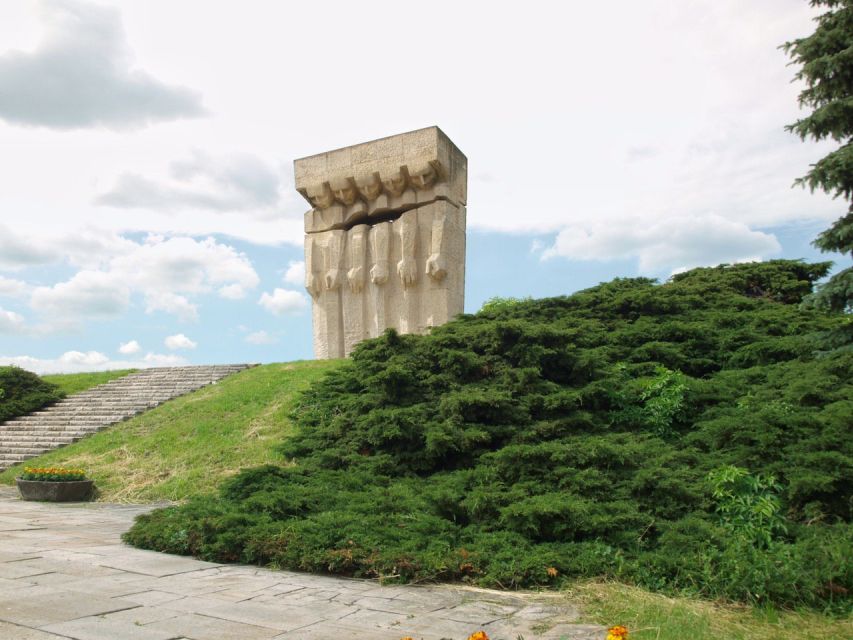
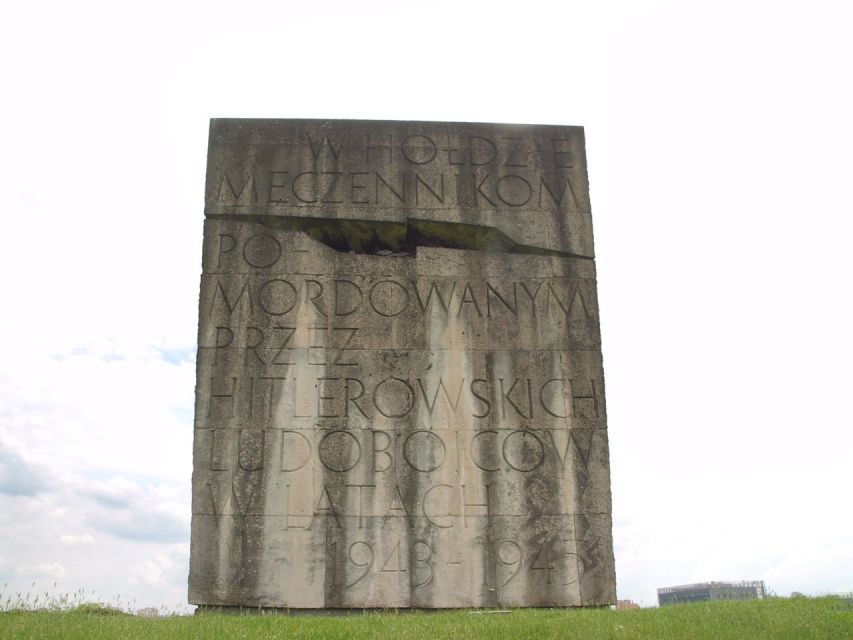
- Memorial stops during the walk: multiple commemoration points across the camp grounds.
- Schindler context on location: Oskar Schindler’s story and how Schindler’s List portrayed the camp.
- Liban Quarry ending: a replica camp built under the direction of Steven Spielberg.
Getting from Bohaterów Getta Square to the Płaszów site
Most camp tours can feel like you’re dropped into a field and left to figure it out. This one does better. You meet your guide at a meeting point marked by an excursions.city sign, then you head to the former camp area via a tram ride a few stops long. That short ride matters because it keeps you in Kraków, not in a vacuum. You feel the transition from city life to the site where forced labor was carried out.
The start at Bohaterów Getta Square is also a smart choice. It’s tied to the history of Kraków’s Jewish inhabitants, so you begin with the people and community before the machinery of persecution. For me, that ordering makes the later explanation of deportations and camp expansion easier to grasp.
If you’re hoping for casual, light commentary, set expectations now. This is structured education with a human focus, and the guide is doing the heavy lifting to connect details you might otherwise miss.
More Walking Tours in Krakow
- Old Town Krakow & Wawel Castle Walking Tour
★ 5.0 · 1,508 reviews - Creepy Krakow: 2-Hour City Walking Tour
★ 4.7 · 1,131 reviews - Krakow: The Old Town Walking Tour
★ 4.8 · 794 reviews
The on-site tour: timeline, forced labor, and how the camp operated
Once you arrive at Kraków-Plaszów, the guide leads you through the camp grounds and builds an understandable timeline. You’ll learn that it opened as a forced labor camp in 1940, became a concentration camp in 1941, and that deportations of Jews from the Kraków Ghetto started in 1942. Hearing that sequence matters because it explains why the place changed rather than treating it as one fixed snapshot.
You also get context about Nazi rule in the area. The guide connects the camp to the surrounding system, so the camp doesn’t feel like an isolated horror. It’s part of a broader structure: control, exploitation, and forced labor.
As you walk through different parts of the camp, you learn about the kind of work prisoners were pushed into. The tour specifically highlights the intensity of labor connected to the quarry and to military factories. You don’t need to know the technical background to understand the point. The explanation helps you connect what you’re seeing on the ground to what prisoners were forced to do every day.
This is where a guide earns their fee. If you go without one, you might recognize the name and feel sadness, but you might not understand the system that produced that sadness. With a guide, you get a framework you can remember later, even after the emotional weight fades.
Practical note: keep your pace steady and give yourself enough attention to listen. The site is spread out enough that drifting into phone-scrolling can break the flow of the story.
Memorial stops: how the walk shifts from facts to remembrance
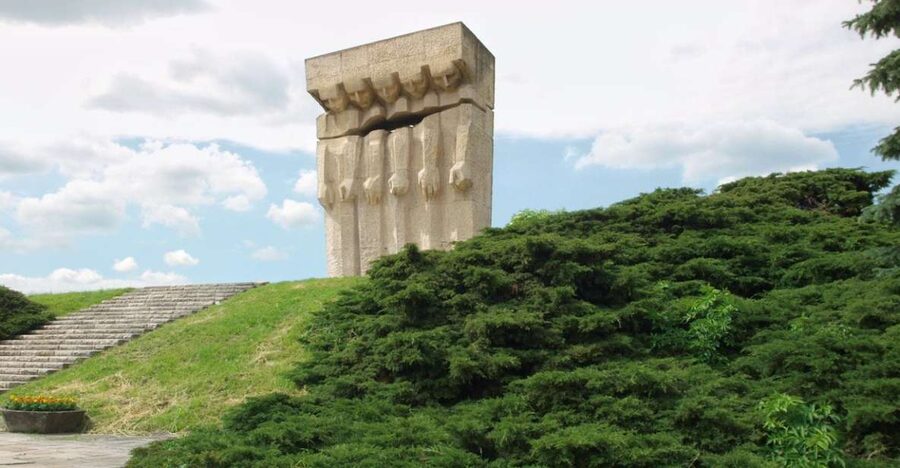
One of the best parts of this tour is that it doesn’t race to the end. The guide takes time for remembrance at several memorials throughout the camp. That means your experience isn’t only about information. It includes pauses that feel designed to honor victims instead of simply checking boxes.
Those stops also change how you read the space. A concentration camp can turn into a “viewing experience” if you’re not careful. Here, the memorials interrupt that instinct. They push you back toward respect and reflection. I like that because it helps you carry the difference between seeing and understanding.
You may feel a range of emotions, and that’s normal. The tour specifically includes discussion of distressing historical facts, so it’s not trying to soften the reality. If you’re going with friends, agree ahead of time that talking during memorial moments can wait. Let the guide set the tone.
Oskar Schindler and the bridge to Schindler’s List
Another reason this tour earns repeat interest is how it ties the camp’s legacy to Oskar Schindler and the cultural afterlife of these events through Schindler’s List. The guide doesn’t treat Schindler as a stand-alone hero story. Instead, the camp and the narrative connected to it are placed in the same explanatory space.
You’ll also learn about where Schindler’s List was filmed, which can help you connect what you’ve seen on screen to real places in Kraków. For many people, film scenes are easier to remember than dates and administrative terms. When the guide links film to location, it can make the past feel less distant.
That said, keep the focus where it belongs. The value here is not film trivia. It’s using film as a doorway to understanding what the guide is teaching about the camp system and its victims.
If you’ve seen Schindler’s List, you might find yourself thinking back to it as you walk. If you haven’t, you still get the context you need. The tour is built so you’re not dependent on prior knowledge.
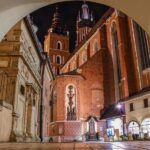
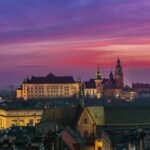
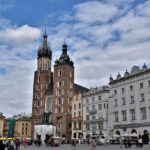
More Polish squares crossed on foot:
Liban Quarry and the replica camp finale
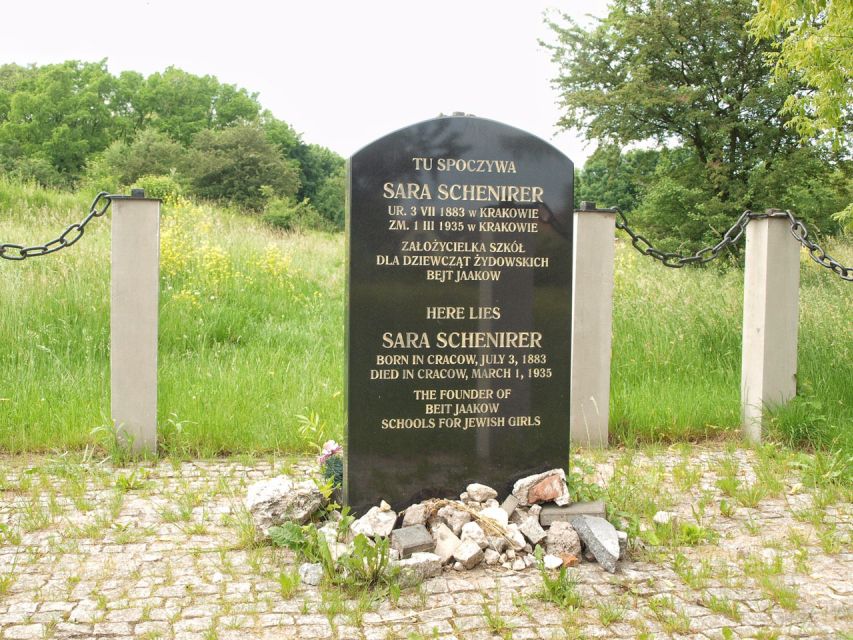
The tour finishes in a place that can surprise people: a replica of the camp built under the direction of Steven Spielberg at Liban Quarry. This is not just a photo stop. It’s part of how the site’s legacy has been shaped and interpreted.
Why include this? For many visitors, the replica offers a visual structure that can be hard to imagine when you’re standing in open ground and partial remains. When the guide explains how the replica relates to what was shown or suggested in film, it helps you understand the line between documentary reality and a constructed representation meant for storytelling.
The finale also gives you a clean rhythm. You spend the earlier portion learning about the camp, then you end with a location tied to how the world learned about it through mainstream media. That structure helps you process what you absorbed earlier.
When the walk is done, you’re escorted back to the tram stop, so you’re not left figuring out your next move in a heavy emotional state.
Price and what you truly get for $29 in Kraków
At $29 per person for a 2-hour guided walk, this is a solid value if you care about context. The price isn’t just “a ticket to the site.” You’re getting a live guide, a tour of the camp grounds, and a single tram ticket. That matters because a guided explanation on-site is what turns a memorial space into real understanding.
You also get language support in English, French, Spanish, and Italian. If you’re visiting with non-native English needs, this is a practical plus.
In my view, the main value is the organization. Two hours is enough time to cover a lot of ground, but not so long that you lose the thread. You get a structured storyline: start point, tram transfer, historical timeline, work details, memorial stops, Schindler and Schindler’s List links, and an ending at Liban Quarry. That’s exactly how you want a difficult historical site tour to feel: paced and explained.
Timing, comfort, and what to wear for a serious walk
This tour is 2 hours, and it’s outside. Even if the day looks calm, temperatures can bite. One verified review noted the guide took someone around the camp in -12 degrees, which is a reminder to dress for cold exposure even if you think you can tough it out. Bring comfortable shoes first. Then dress for weather-appropriate conditions.
You should also prepare mentally. The tour includes discussion of distressing historical facts. That doesn’t mean it’s sensational. It means you’re going to hear real details in a guided educational setting.
Mobility note: the activity is listed as wheelchair accessible, but it also says it is not suitable for people with mobility impairments. If mobility is an issue for you, take this seriously. Consider whether the walking and site conditions match your needs.
Who should book this tour, and who might want a different pace
This walk is best for you if you:
- Want a guided explanation at Kraków-Plaszów rather than self-guided wandering
- Like historical tours that include memorial stops and not just ruins
- Have seen Schindler’s List or plan to, and want the real-location connections
It may feel like the wrong fit if you:
- Want something light, casual, or purely scenic
- Are likely to struggle with distressing historical discussions
- Need a very mobility-friendly route, given the notes on suitability
That’s a balanced way to decide. This is a serious site, presented with structure and respect. Matching your expectations is half the success.
Should you book the Krakow-Plaszów Concentration Camp Walking Tour?
Yes, if your goal is understanding. I think this tour works because it offers a guided timeline, explains what prisoners were forced to do, includes multiple memorial moments, and connects the story to Schindler and Schindler’s List in a way that helps you remember what you learned.
Book it if you’re the type of traveler who likes your history with context and your visits with a guide that knows how to point, explain, and pause. You’ll leave with more than names and dates. You’ll have a clearer picture of how the camp operated and why remembrance matters.
If you’re looking for a quick photo walk, or you want to avoid distressing material, pick a different activity. This one is for people ready to listen, stand quietly at memorials, and treat the site with the seriousness it deserves.
FAQ
How long is the Krakow-Plaszów walking tour?
The tour lasts 2 hours.
What is the price per person?
The price is $29 per person.
Where do I meet the guide?
Meet the guide by looking for the sign with excursions.city.
How do I get to the camp from Kraków?
You meet in Bohaterów Getta Square, then ride the tram a few stops to get to the camp.
What’s included in the tour price?
Included items are a guide, a tour of the Krakow-Plashov Concentration Camp, and a single tram ticket.
What languages are available?
The live tour guide is available in French, Spanish, Italian, and English.
Is the tour wheelchair accessible?
It is listed as wheelchair accessible, but it is also noted as not suitable for people with mobility impairments, so it may not work for everyone.
What should I bring and wear?
Wear comfortable shoes and dress for the weather. The tour also includes discussion of distressing historical facts.
What is the cancellation policy?
Free cancellation is available up to 24 hours in advance for a full refund.
Is there an option to pay later?
Yes, you can reserve now and pay later, with no payment required today.
Freshly posted from Krakow
- Krakow: Zakopane and Thermal Springs Tour with Hotel Pickup★ 5.0 · 1 review
- Krakow: Audio-Guided City Experience by Golf Cart★ 5.0 · 1 review
- Half-day In the footsteps of John Paul II Tour from Krakow★ 5.0 · 1 review
- Krakow: Wawel & Salt Mine Experience with Lunch★ 5.0 · 1 review
- Tour to Wadowice: Hometown of Pope Saint John Paul II★ 5.0 · 1 review
- Krakow: Outdoor Paintball with Hotel Transfers★ 5.0 · 1 review
- Krakow: Nowa Huta Communist District Walking Tour★ 5.0 · 1 review
Walking Tours, compared.
Old Town Krakow & Wawel Castle Walking Tour
Read our review →
Gdańsk City Sights & History Guided Walking Tour in English
Read our review →
Browse the lists this tour appears in