Reviewed · KRAKOW TOURS & ACTIVITIES
Kraków Holocaust Tour
Kraków’s ghetto streets feel almost frozen in time. This 2-hour Holocaust tour in Kraków guides you through the entire Jewish ghetto, explaining how the Nazi ghetto system worked and what daily life looked like inside it.
I like that the area has largely survived in something close to its late-war appearance, including many buildings and institutional structures. I also appreciate that you get a clear, on-foot route that focuses on the physical places tied to ghetto life. One thing to consider: this tour is in Spanish, and food is not included, so plan accordingly.
In This Review
- Key highlights you should care about
- What this Kraków Holocaust tour covers, and why it matters
- The route is built around real places, not vague descriptions
- The walking start: the ghetto wall fragments and boundary lines
- Ghetto Heroes Square (Square of Chairs): memory in an open space
- Old doors, surviving buildings, and the feel of the 1940s
- Judenrats, police agencies, resistance-linked meetings: the system’s “people”
- Daily life stops you’ll actually recognize: labor, hospitals, prisons, synagogues
- Finishing at the Pharmacy under the Eagle museum
- Price and value: $16 for 2 hours in Spanish
- Accessibility and what you should bring
- Who this Kraków Holocaust tour suits best
- Should you book the Kraków Holocaust tour?
- FAQ
- How long is the Kraków Holocaust tour?
- How much does the tour cost?
- Is there a live guide?
- What language is the tour in?
- Where do I meet the guide?
- What is included in the price?
- Is food included?
- Are drinks included?
- What should I bring?
- Can I cancel for a refund, and is there flexibility for booking?
Key highlights you should care about
- Entire ghetto coverage, not just a quick loop of the main sights
- A historian-led perspective on how the Nazi occupation’s system worked
- Wall remnants and old doors, so you can see the boundaries that shaped daily life
- Stops tied to ghetto governance and control, including places linked with Judenrats and police agencies
- A broad “day-to-day” scan of labor organizations, hospitals, prisons, factories, and orphanages
- Pharmacy under the Eagle museum, a strong finish to the story in the same district
What this Kraków Holocaust tour covers, and why it matters
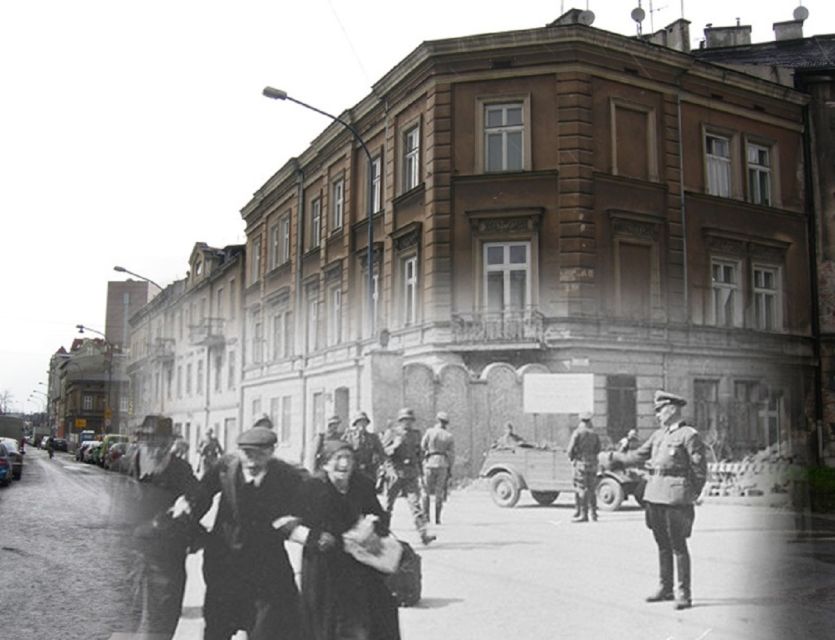
This is not a “see a few plaques” kind of tour. The big value here is that it aims to cover the old Kraków ghetto in its entirety, with a historian guiding the story rather than just reciting dates. You walk through the same district where many buildings still give off the atmosphere of the years when the Nazis carried out the so-called final solution.
What makes it feel different, even before you set foot outside, is the emphasis on function. The tour doesn’t treat the ghetto as one static tragedy. It frames it as a system. You’ll be guided through how ghettos were used during Nazi occupation, and you’ll connect that purpose to what you can still see today.
For me, the best part is the built environment. When houses and institutional buildings have survived in a near-original form, your brain does something useful. It turns “history” into geography. You understand why walls, doors, and specific institutions mattered to daily routines and to control.
Still tacked up around Krakow
- From Krakow: Auschwitz-Birkenau Guided Tour & Hotel Pickup
★ 4.5 · 33,358 reviews - From Krakow: Auschwitz-Birkenau Guided Tour & Hotel Pickup
★ 4.5 · 29,340 reviews - Krakow: Auschwitz Guided Tour with Optional Hotel Pickup
★ 4.5 · 15,280 reviews
The route is built around real places, not vague descriptions
This tour includes a set of recognizable site categories, and that helps you follow the story. You’ll move past:
- fragments of the ghetto wall
- areas associated with ghetto life, including Ghetto Heroes Square, also called Square of Chairs
- locations tied to institutions, governance, policing, and resistance activity
- the area’s historic doors and other boundary markers
Then it broadens into the everyday infrastructure of survival, with stops linked to labor, health care, confinement, places of worship, workplaces, and children’s institutions.
The walking start: the ghetto wall fragments and boundary lines
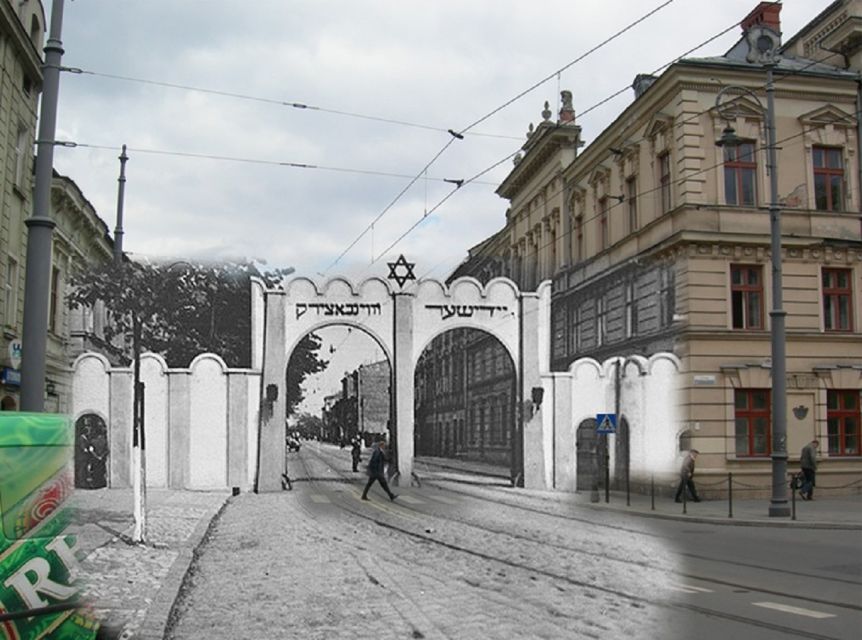
Early on, you’ll see the two fragments of the wall. That moment is simple but powerful. Even if you know the words already, seeing wall sections makes the idea of enclosure physical. You start to understand how movement, access, and visibility shaped life in the ghetto.
This is also where good guiding really matters. A strong guide will help you read what you’re looking at. Wall remains are not just “ruins.” They’re a reminder that the ghetto was designed, not accidental. The tour uses these physical points to explain the purpose of the ghetto system during occupation.
If you’re sensitive to emotionally heavy sites, this is the part where you may feel it first. The district has a gloomy appearance and many buildings still look close to their 1941 to 1943 state. That can make the story feel immediate, not abstract.
Ghetto Heroes Square (Square of Chairs): memory in an open space
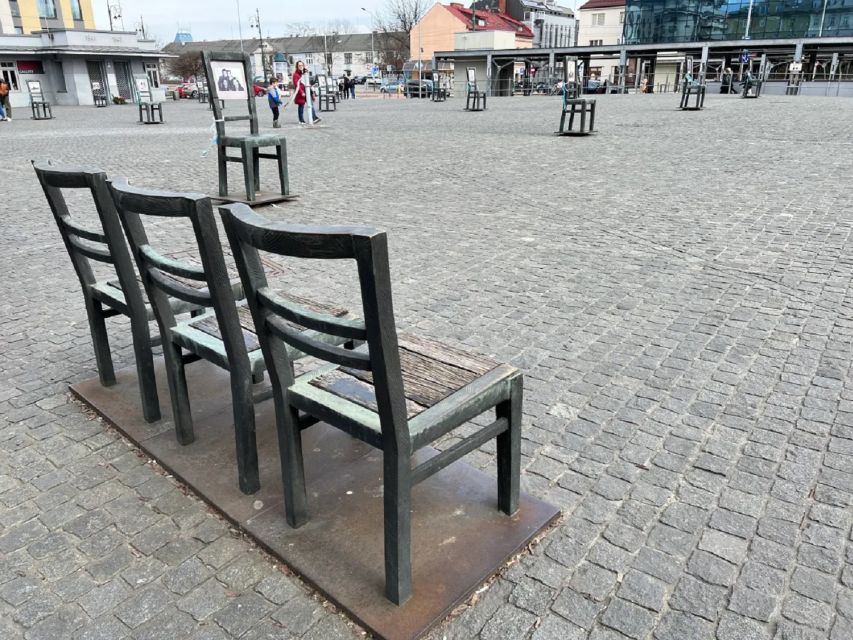
One of the stops is Ghetto Heroes Square, also known as the Square of Chairs. Squares and memorial spaces can sometimes feel “separate” from the street story, but here it works as a pause with meaning. It gives you a breather while still staying in the ghetto geography.
It’s a good place to mentally reset. You’re moving through governance, confinement, labor, and institutional buildings. A memorial square helps you connect the human side to the system you’re learning about.
Practical tip: if the weather is changeable, this is a spot where you’ll want to keep your footing steady. Comfortable shoes matter on this kind of walking route, especially if the ground is uneven or cold.
Beneath the newer pins on the Krakow board:

Old doors, surviving buildings, and the feel of the 1940s
The tour includes a stop on the location of the old doors. Doors are an easy detail to skip on most city walks, but in ghetto history they carry a lot of weight. They represent access points and control, the line between outside and inside, and the idea that daily movement was structured and limited.
This part also connects to the tour’s overall point about preservation. The Kraków ghetto has largely survived in something close to its appearance at the end of the war, including old houses and organizational buildings. That means you are not just learning about a past district, you’re walking through one that still looks like the setting where those events unfolded.
I like tours that use preservation as an educational tool. It’s more honest than talking in generalities. It tells you why Kraków’s ghetto is considered one of the best preserved places for understanding basic aspects of Nazi thought, at least in a visible, street-level way.
Judenrats, police agencies, resistance-linked meetings: the system’s “people”
As you continue, the tour points out important buildings tied to multiple sides of ghetto life, including the spaces associated with intellectual meetings and resistance, as well as police agencies. It also includes stops connected to Judenrats.
This is one of the most important themes on the tour: you’re not only seeing victim places like prisons or hospitals. You’re also seeing how the ghetto included internal structures and roles that interacted with the occupation system. The tour’s historian-led approach is meant to help you understand the workings of that system, not just the tragedy.
A careful guide will keep your focus on the logic behind the Nazi ghetto model, which is what the tour specifically promises: how ghettos worked and what their purpose was. If your Spanish is solid, you’ll get the most value here because the explanation is central to the meaning of these institutional stops.
Daily life stops you’ll actually recognize: labor, hospitals, prisons, synagogues
The tour broadens into the institutions that shaped daily survival. You’ll see locations associated with:
- labor organizations
- hospitals
- prison
- synagogue
- factories
- orphanages
It’s a lot for 2 hours, but that’s also what makes it effective. This is how you build a mental map. You start to see the ghetto not as one emotion, but as a set of systems that affected work, health, confinement, religion, production, and children’s care.
For you, the value is that you get a “day-to-day” framework, which is one of the tour’s explicit promises. Many memorial walks focus on a single angle. This one keeps switching lenses so you can grasp the full machinery, including how institutions were organized around the ghetto’s purpose during occupation.
A small caution: because it covers many categories, the tour is information heavy. If you want time to sit and absorb slowly, you might prefer a longer follow-up visit on your own right after the tour ends, so you can re-read what you just learned.
Finishing at the Pharmacy under the Eagle museum
The last part of the tour takes you to the famous pharmacy under the eagle, described as one of Kraków’s most important museums on the subject. The idea is to finish the walking narrative with an indoor stop where you can process details without moving.
This is usually the point where the story becomes easier to review in your mind. Outside, you learn the geography of the ghetto. Inside a museum, you can translate what you saw into context, objects, and timelines.
If you’re trying to make this a one-day learning block, you’ll likely want to pair it with other nearby sights in Kraków afterward. But do give yourself some decompression time. This topic is emotionally heavy, and the tour is designed to be direct about what the ghetto system meant.
Price and value: $16 for 2 hours in Spanish
At about $16 per person for a 2-hour live, historian-led tour, this is strong value for what you’re getting: entire-ghetto coverage, multiple categories of ghetto institutions, and a guided finish at a major museum.
If you’ve paid more for “highlight tours” that cover a small chunk of a district, this feels like better math. The fee is low compared with tours that only show the most photogenic areas. Here, you’re buying structure: the tour is built to show how ghettos were organized and how daily life functioned within that system.
Two things can affect your personal value. First, you’ll get the most from the explanation if you’re comfortable with Spanish. Second, since no food or drinks are included, you’ll need to plan a snack and water separately if you get hungry after 2 hours of walking.
Accessibility and what you should bring
This tour is listed as wheelchair accessible, which matters for a ghetto-walking route. You should still use common sense with your mobility needs, since the physical area may have varying surfaces, but it is presented as accessible.
For what to bring, the practical advice is simple: wear comfortable shoes. You’ll be on your feet for most of the experience.
Also, keep an eye on the weather. The meeting point instruction says the guide will carry a grey umbrella, so that’s your quick visual cue if you’re arriving a few minutes early.
Who this Kraków Holocaust tour suits best
This is a great fit if you want more than a general overview. You’ll like it if you care about:
- how the ghetto system worked, not just what happened
- seeing a district that remains visually close to its late-war appearance
- understanding daily life through institutions, boundaries, and workplaces
It’s also a good choice if you like guided structure. The tour covers many types of places in a short time, so it helps to have a guide connect them into one story.
It may be less ideal if you want a long, quiet, reflective pacing, or if Spanish explanation is a barrier. For non-Spanish speakers, the experience may feel harder to follow because the tour is explicitly in Spanish.
Should you book the Kraków Holocaust tour?
Yes, if you want an efficient, street-level way to understand the full Kraków ghetto, and you want your route guided by a historian rather than a generic sightseeing script. The price is reasonable for the amount of ground covered, and the focus on how ghettos worked adds real understanding.
If Spanish is a problem, you might still consider it for the museum and the physical geography, but be honest about your comfort with the language. And if you get overwhelmed easily by memorial and confinement sites, plan your day so you have time afterward to decompress.
If you choose to go, wear the shoes you already trust. Then go in ready to look at the city differently, because the buildings are still there, and they do the storytelling for you.
FAQ
How long is the Kraków Holocaust tour?
It lasts 2 hours.
How much does the tour cost?
The price is $16 per person.
Is there a live guide?
Yes, it is a live tour with a guide.
What language is the tour in?
The tour is in Spanish.
Where do I meet the guide?
Meet at the point where the guide will be carrying a grey umbrella.
What is included in the price?
A graduate guide in Geography and History is included.
Is food included?
No, food is not included.
Are drinks included?
No, drinks are not included.
What should I bring?
Wear comfortable shoes.
Can I cancel for a refund, and is there flexibility for booking?
You can cancel up to 24 hours in advance for a full refund. You can also reserve now and pay later.
Freshly posted from Krakow
- Krakow: Audio-Guided City Experience by Golf Cart★ 5.0 · 1 review
- Krakow: Zakopane and Thermal Springs Tour with Hotel Pickup★ 5.0 · 1 review
- Half-day In the footsteps of John Paul II Tour from Krakow★ 5.0 · 1 review
- Krakow: Wawel & Salt Mine Experience with Lunch★ 5.0 · 1 review
- Tour to Wadowice: Hometown of Pope Saint John Paul II★ 5.0 · 1 review
- Krakow: Nowa Huta Communist District Walking Tour★ 5.0 · 1 review
- Krakow: Outdoor Paintball with Hotel Transfers★ 5.0 · 1 review
Krakow Tours & Activities, compared.
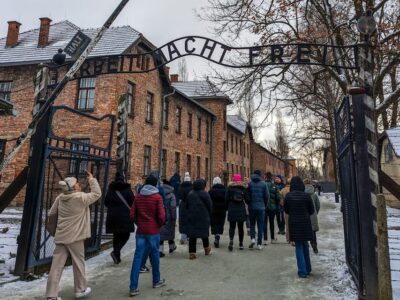
Auschwitz-Birkenau Guided Tour & Hotel Pickup
Read our review →Auschwitz-Birkenau Guided Tour & Hotel Pickup
Read our review →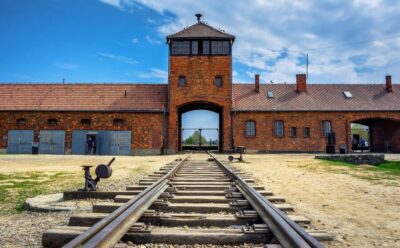
Auschwitz Guided Tour with Optional Hotel Pickup
Read our review →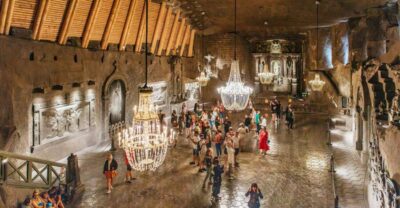
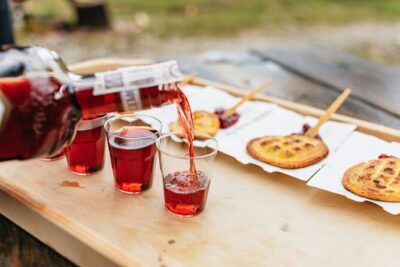
Cable Car, Chocholow Baths, Cheese & Vodka
Read our review →
Auschwitz-Birkenau Guided Tour with Pickup & Lunch
Read our review →