
Reviewed · TRAIN EXPERIENCES
In 10 days around Poland – by train, with hotels and local tours
Poland by rail, with history on tap. This 10-day route strings together Warsaw, Gdansk, Malbork, Poznan, Wroclaw, and Krakow with 1st-class trains and local guided walks that keep the days moving.
I especially like how much you get in the time you spend walking, with guided time in the heart of each city and then built-in afternoons for relaxing or going off on your own. I also like the day-10 choice in Krakow, where you can pick Wieliczka Salt Mine, Auschwitz-Birkenau, or the Kazimierz Jewish district depending on your mood and comfort level.
The only potential drawback is that this is a busy rail loop. Even with plenty of breaks, you should expect a fair amount of walking and moving between cities, and the trip calls for moderate physical fitness.
In This Review
- Key things that make this Poland rail trip work
- Warsaw Old Town and Lazienki gardens, with royal-route momentum
- Getting from Warsaw to Gdansk by direct train, then learning the Solidarity story
- Gdansk highlights, from Golden Gateway to shipyard monuments
- Oliva Dome organ concert, a calm contrast after history
- Malbork Castle, the biggest medieval brick fortress moment
- Poznan on the fair-city map, then Wroclaw’s Baroque and river vibe
- Wroclaw city tour at Ostrów Tumski, Aula Leopoldina, and the Market Square
- Krakow Old Town by train, then Wawel Hill and Royal Route highlights
- Auschwitz, Salt Mine, or Kazimierz: how to choose your day-10 moment
- Price and value: what $3,900 covers, and how to judge it
- Should you book this Poland rail trip?
- FAQ
- What is the group size for this tour?
- Are the tours offered in English?
- What kind of trains do you use between cities?
- Are breakfasts and hotels included?
- Are dinners included?
- What choices do I have on the last day in the Krakow region?
- Where does the tour meet, and what are the start and end points?
- Is this tour refundable if I cancel?
Key things that make this Poland rail trip work
- Max 10 people, so pickups and timing feel more manageable
- Central 3 and 4 hotels plus drivers who handle station transfers
- 1st-class train tickets, which makes the long day-to-day legs easier
- Big sights plus cultural texture, like Oliva’s organ concert and the Solidarity shipyard story
- Last-day flexibility in Krakow, with three distinct half-day options
Warsaw Old Town and Lazienki gardens, with royal-route momentum
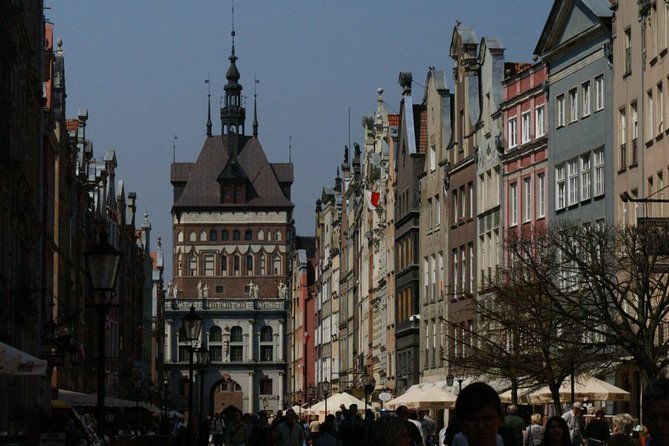
Your trip kicks off with a welcome and transfer to a centrally located hotel in Warsaw, so you can drop bags fast and reset after travel. On day two, you start with a half-day guided look at the city’s core, built around the Royal Castle and the Royal Route.
You’ll also see the Old Market Square, the Barbican, Krakowskie Przedmieście, and then the green pause of Lazienki, with its gardens and the Palace on the Water. This mix is why Warsaw works well early in a rail trip. It gives you architecture and atmosphere first, then gives your legs a break before the afternoon opens up for your own wandering.
One practical note: these highlights are close enough to walk, but not all at once. Plan on taking breaks, especially around Lazienki, where you’ll want time to actually sit and watch people.
Still tacked up around Warsaw
- Warsaw: Tour to Krakow and Auschwitz by Train with Pickup
★ 4.6 · 822 reviews - From Warsaw Auschwitz and Krakow one day tour by train with pick up and drop off
★ 4.5 · 267 reviews - From Warsaw: Auschwitz-Birkenau Guided Tour with Fast Train
★ 4.7 · 50 reviews
Getting from Warsaw to Gdansk by direct train, then learning the Solidarity story
The move to Gdansk is one of the smoother transitions on the whole itinerary. After breakfast, you transfer to the Warsaw train station and take a direct train to Gdansk, where the city’s connection to Solidarity is the main theme.
That focus matters. Gdansk is not just pretty buildings, it’s a place where labor history and political change feel tangible. Even if you only have one full day there, the city’s landmarks point you toward the bigger story.
Once you arrive, you head to a central hotel and have the evening to settle in. This is a good time to do the simple thing, get oriented on foot, grab a meal you like, and let the Baltic light set the pace for the next day.
Gdansk highlights, from Golden Gateway to shipyard monuments
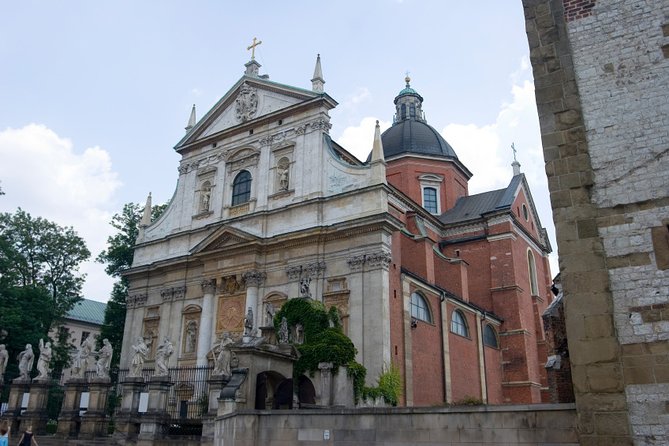
Day four is your big Gdansk day, and it’s packed with landmarks along major streets and waterfront spots. Your guided walk includes the Golden Gateway, Neptun’s Fountain, Artus Court, and the Uphagen house, then continues through places like Dluga Street and Mariacka Street.
You also get the waterfront moments that make Gdansk feel unmistakably itself, including the wooden Crane on the Motlava River. Then the focus shifts to the Solidarity Monument at the Gdansk Shipyard, which brings the city’s 20th-century turning points right into view.
If you like travel that mixes beauty with meaning, this is a strong day. If you prefer pure art museums and long scenic rests, you might find this much guided time a bit intense, so save your own wandering for the afternoon.
Oliva Dome organ concert, a calm contrast after history
Later that same day, you head to Oliva for an organ music concert in the Oliva Dome, known for its famous organs. For a rail itinerary, this is a smart contrast. After hours of squares, streets, and monuments, you get something slower and more emotional, music that lets you absorb the atmosphere without reading a single sign.
I’d treat it like a mini-reset. Before the concert, I’d keep your expectations simple: show up, listen, and let the sound do the work.
Beneath the newer pins on the Warsaw board:

Malbork Castle, the biggest medieval brick fortress moment
On day five you head from Gdansk to Malbork to see Poland’s largest medieval brick castle. This is a half-day guided stop, and it’s the kind of landmark that helps you understand why brick mattered so much in this part of Europe.
The important part is the scale and the feel of the place. When you move through courtyards and chambers with that medieval layout in front of you, the story of power, defense, and wealth clicks faster than it does from photos.
Lunch is available in the castle restaurant if you want it, otherwise you can use the afternoon for a return to Gdansk and some low-pressure time for gift shopping and private walks. This is a nice day for slowing down after a very structured Gdansk experience.
Poznan on the fair-city map, then Wroclaw’s Baroque and river vibe
Day six is a train day again, this time from Gdansk to Poznan. Poznan is known for international fairs, and your afternoon guided tour leans into the city’s standout architectural layers.
You’ll visit the Cathedral, the Renaissance Town Hall, and the Baroque Church of St. Mary Magdalene. That mix gives you a clear sense of what to look for when you walk around on your own later, because you start noticing shapes, materials, and how different eras left their fingerprints.
Day seven moves you on to Wroclaw. After breakfast, you transfer to the station and take a direct train. Once you arrive, you get to check into your hotel and relax, which is important because it gives you a breather before the guided city highlights on day eight.
Wroclaw city tour at Ostrów Tumski, Aula Leopoldina, and the Market Square
Your Wroclaw guided day focuses on the city’s best-known core. You’ll start at Ostrów Tumski and the Cathedral, one of Wroclaw’s main highlights. This area helps you understand why Wroclaw feels like a city shaped by water and bridges, not just by streets.
Next up is a visit to the University with its magnificent baroque Aula Leopoldina. Even if you’re not a “campus person,” the hall is the kind of stop that makes your photos better and your understanding of the city deeper.
The tour ends with time around Market Square, famous for restored tenement houses and the gothic City Hall. After that, you have afternoon freedom for private walks, and this is where you can add extra ideas that match your interests, like taking a short scenic ride on the local transport system or drifting along the riverside for a slower pace.
Krakow Old Town by train, then Wawel Hill and Royal Route highlights
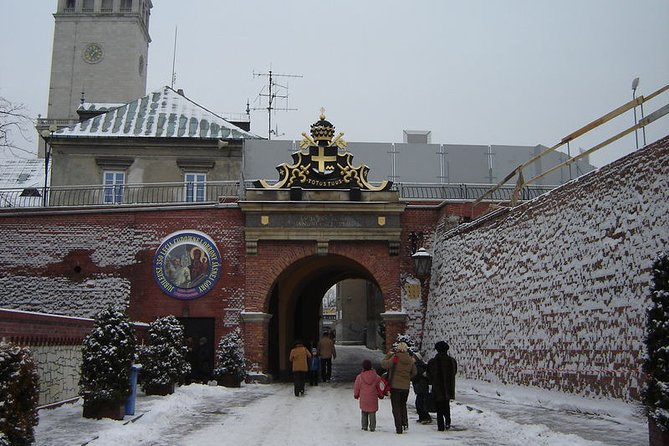
Krakow is your final major city, reached by direct train after breakfast on day nine. When you arrive, you get a transfer to a centrally located hotel, then head into a half-day guided tour of Krakow’s Old Town.
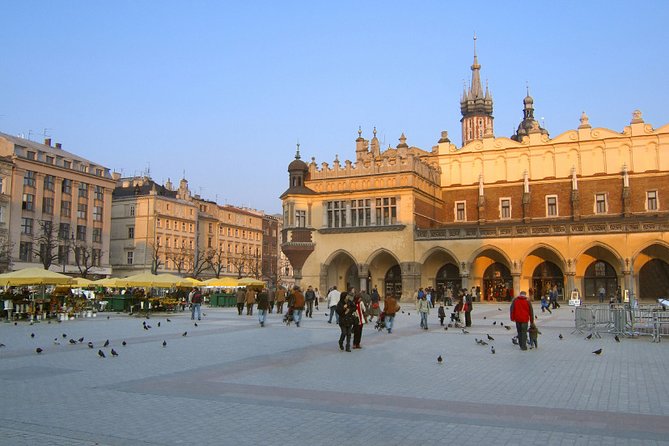
Your guide covers the Market Square, including the Cloth Hall and St Mary Basilica, then you walk along the Royal Route toward Wawel Hill. Up on the hill, you’ll see the cathedral and the Royal Castle, which gives Krakow its most iconic skyline.
After the tour, you get private time for your own walk and the option for a regional restaurant dinner with live music, priced at 45 USD per person if you choose it. I like this structure because it lets you end your trip with something relaxed and local, not just “more sightseeing.”
Auschwitz, Salt Mine, or Kazimierz: how to choose your day-10 moment
The last morning is built around a choice, and your decision should be based on how you want to feel at the end of the trip. You’ll take a half-day tour in the Krakow region according to your selection.
Your options are:
- Wieliczka Royal Salt Mine tour
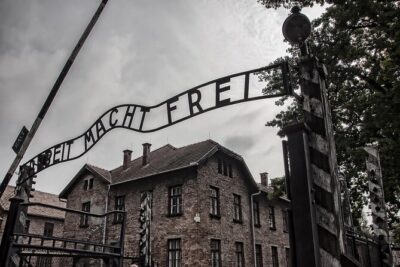
- Auschwitz-Birkenau Nazi German Camp Museum visit
- Half-day tour of Kazimierz, the Jewish district in Krakow
If you want physical awe and something very different, the Salt Mine fits that better. If you want the most historically heavy stop, Auschwitz-Birkenau is the one. If you want culture and neighborhood atmosphere without the same level of historical weight, Kazimierz is a great pick.
After your half-day tour, you transfer to Krakow’s airport or train station for departure. This ending is practical: it keeps your schedule from stretching too far on your last day.
Price and value: what $3,900 covers, and how to judge it
At $3,900 per person for about 10 days, this isn’t a budget sampler. The value comes from the combination of logistics and guidance.
What you get includes accommodation at 3 / 4 hotels, local guides and drivers, and train tickets in 1st class. You also get air-conditioned vehicle transfers and breakfast every day listed in the program (9 breakfasts). Several key admissions are noted as included on specific city days, so you are not constantly paying extra for top sites.
What you do not get is dinners, so you’ll want to budget for evening meals on your own. That also means you can eat the way you like, simple local options or something more special, instead of being locked into a group menu.
When I judge whether a price makes sense, I look at how hard the operator tries to remove friction. Here, you have drivers meeting you at stations and moving you between centrally located hotels and city stops. That matters, especially in a rail loop where a few delays can snowball.
Also, this trip caps at 10 travelers, and the program is offered in English. For many people, that balance is ideal: structured enough to feel easy, small enough to ask questions and keep your day from turning into a cattle-car rhythm.
Should you book this Poland rail trip?
I think this is a strong choice if you want a focused highlight route through Poland, with central hotels, guided time in major cities, and train travel handled with minimal stress. It’s especially good if you like history but also want breathing room, because each city has room for private wandering after the guide finishes.
You might want to look at a different style of trip if you prefer very slow days, lots of free time with fewer transfers, or you get tired of walking through city centers every day.
If your ideal trip includes the Solidarity landmarks in Gdansk, the scale of Malbork Castle, and a Krakow ending where you can pick Auschwitz, the Salt Mine, or Kazimierz, then this rail itinerary is a very practical way to do it.
FAQ
What is the group size for this tour?
The tour has a maximum of 10 travelers.
Are the tours offered in English?
Yes, the tour is offered in English.
What kind of trains do you use between cities?
You travel using 1st class train tickets, including direct train connections on key days (for example, Warsaw to Gdansk, and Krakow-related transfers).
Are breakfasts and hotels included?
Yes. You stay in 3 / 4 hotels and breakfast is included on 9 days. Local guides and drivers are also included.
Are dinners included?
No. Dinners are not included. There is an optional dinner with live music in Krakow listed at 45 USD per person.
What choices do I have on the last day in the Krakow region?
You can choose one half-day tour: Wieliczka Royal Salt Mine, the Auschwitz-Birkenau Nazi German Camp Museum, or Kazimierz (the Jewish district in Krakow).
Where does the tour meet, and what are the start and end points?
The meeting point is listed as Międzynarodowy Port Lotniczy im. Jana Pawła II Kraków-Balice (Kapitana Mieczysława Medweckiego 1, 32-083 Balice, Poland), and the end point is listed the same. The itinerary itself indicates you start in Warsaw after arrival and finish with transfer to Krakow airport or train station.
Is this tour refundable if I cancel?
This experience is non-refundable and cannot be changed for any reason. If it’s canceled because the minimum number of travelers isn’t met, you will be offered a different date or experience, or a full refund.
Freshly posted from Warsaw
- Warsaw Uprising and WWII Old Town Walking Tour with Museum★ 5.0 · 1 review
- EVERYDAY Warsaw Traditional Food Tour with Old Town Sightseeing★ 5.0 · 1 review
- Warsaw to Auschwitz and Krakow Old Town Full-Day Trip by Car★ 5.0 · 1 review
- A Day in Warsaw: Private Full-Day Highlights Tour★ 5.0 · 1 review
- Pub Crawl with Shots, Discounts, Games & VIP Entry★ 5.0 · 1 review
- POLIN Museum of the History of Polish Jews : PRIVATE TOUR /inc. Pick-up/★ 5.0 · 1 review
- Private Guided Warsaw Walking Tour with Drone Photography★ 5.0 · 1 review
Train Experiences, compared.
Tour to Krakow and Auschwitz by Train with Pickup
Read our review →
From Warsaw Auschwitz and Krakow one day tour by train with pick up and drop off
Read our review →
Auschwitz-Birkenau Tour with Premium Train Transportation
Read our review →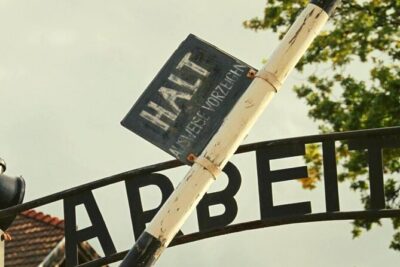
Private transfer from Central Railway Station to any location in Warsaw
Read our review →
Private Warsaw Railway Station One Way Transfer
Read our review →Browse the lists this tour appears in