Reviewed · GDANSK TOURS & ACTIVITIES
Gdansk: Private Old Town Tour
Gdansk can feel like a story you can walk through. This private Old Town tour uses that idea literally, linking street corners to the people, wars, and political turning points that shaped the city. I like that you get panoramas from a major church tower, and I also love how the route mixes big landmarks with lesser known lanes.
You will get stories tied to the late 1800s and early 1900s, plus what happened when WWII began in Gdansk and how Solidarity changed the conversation under communist rule. Guides such as Ulla and Bozena have been praised for answering questions and adjusting to the group’s make up, which makes the walk feel personal instead of scripted.
One possible drawback: this is not a stop and sit tour. Expect lots of walking on historic surfaces, and it is not suitable for people with mobility impairments. Also, there is a small entrance fee for St. Mary’s Basilica that you should plan for.
In This Review
- Key things I’d circle on this Gdansk Old Town tour
- Tower views that make the whole Old Town click
- The Royal Way and Neptune’s Fountain for quick orientation
- Piwna and the Old Town streets where characters seem real
- Mariacka Street and St. Mary’s Basilica, the “why” behind the beauty
- Stary żuraw port crane, WWII origins, and how work became survival
- The Museum of the Polish Post and why resistance traveled by mail
- Golden Gate to the Great Arsenal, the walking logic of the Old Town
- Private group value: when 192 USD makes sense
- Who should book this Gdansk Old Town private tour?
- Should you book it?
- FAQ
- How long is the Gdansk private Old Town tour?
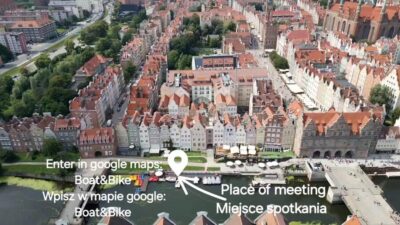
- Where does the tour start?
- What is the price for this tour?
- Is this tour private, and is a guide included?
- What languages are available for the tour?
- Do I need to pay an entrance fee?
- Are sports shoes allowed?
- FAQ
- Is this tour suitable for people with mobility impairments?
Key things I’d circle on this Gdansk Old Town tour
- Tower views from St. Mary’s Basilica area, with an easy way to orient yourself in the Old Town
- WWII and Solidarity context tied directly to places you pass, not just general facts
- A varied route that includes both famous streets and quieter sections off the beaten path
- Port history connections at the Stary żuraw port crane site and nearby waterfront streets
- Polish Post Museum time that turns communications and resistance into something you can picture
- Private group flexibility with English or Polish guidance and strong Q and A energy from guides like Ulla or Bozena
Tower views that make the whole Old Town click
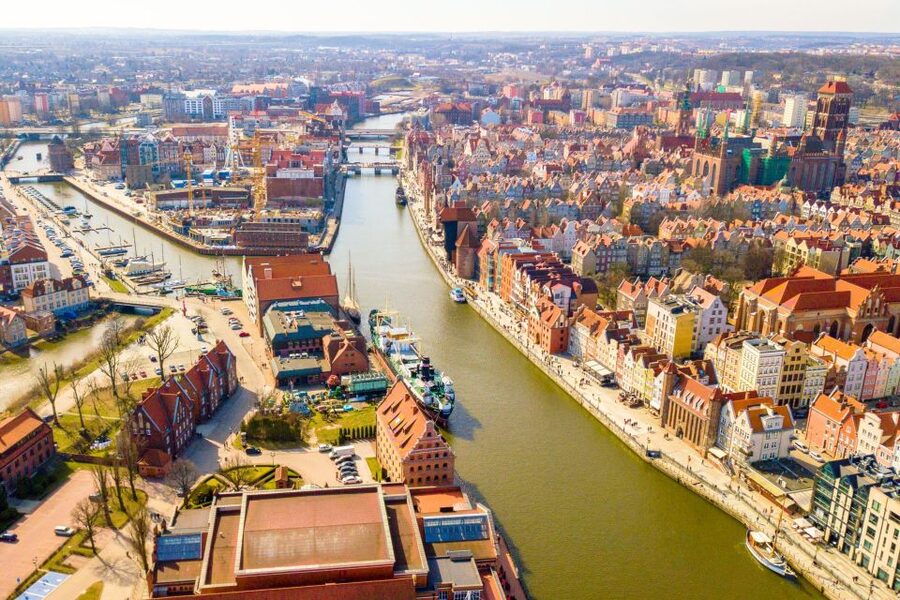
If you want Gdansk to make sense fast, start by looking down from above. A major part of this tour’s appeal is the chance to see the city from the tower area connected to St. Mary’s Basilica, often described as the largest brick church in the world. Up there, the Old Town stops feeling like a list of buildings and starts feeling like a living plan. You can spot the way the streets angle, where the waterfront sits, and how the different neighborhoods relate to each other.
Down on the ground, you will walk those same lines, so the views act like a mental map. That is especially helpful in a place where so much history is layered. You pass through areas that relate to the origins of modern Gdansk life, then later to the shock of WWII, and then to the long, tense arc that led to Solidarity.
Practical heads up: St. Mary’s Basilica has a 10 PLN entrance fee. It’s not huge, but it is enough that you should carry cash in advance so you are not scrambling mid tour. Also, the tour does not allow sports shoes. Wear something you can walk in comfortably and safely on older surfaces.
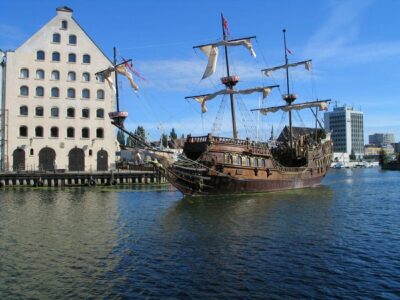
Still tacked up around Gdansk
- Gdansk: City Cruise on Historical Polish Boat
★ 4.8 · 2,913 reviews - Gdańsk: Sunset Cruise on a Historic Polish Boat
★ 4.9 · 977 reviews - Gdańsk City Sights & History Guided Walking Tour in English
★ 4.8 · 876 reviews
The Royal Way and Neptune’s Fountain for quick orientation
The tour begins at the Millenium Tree, then you head along the Royal Way for about 20 minutes. This is a smart opening move. It is not random sightseeing. The Royal Way gives you an overview of how the city’s center developed and why certain streets matter so much to Gdansk’s identity. Even if you only know the basics, this first segment helps you read the Old Town like a page in a book instead of a postcard collage.
Next you visit Neptune’s Fountain. It is one of those places where everyone takes a photo, but the real value is what your guide connects to it. Neptune becomes a starting point for local stories, the kind that explain why certain symbols, traditions, and civic pride show up where they do.
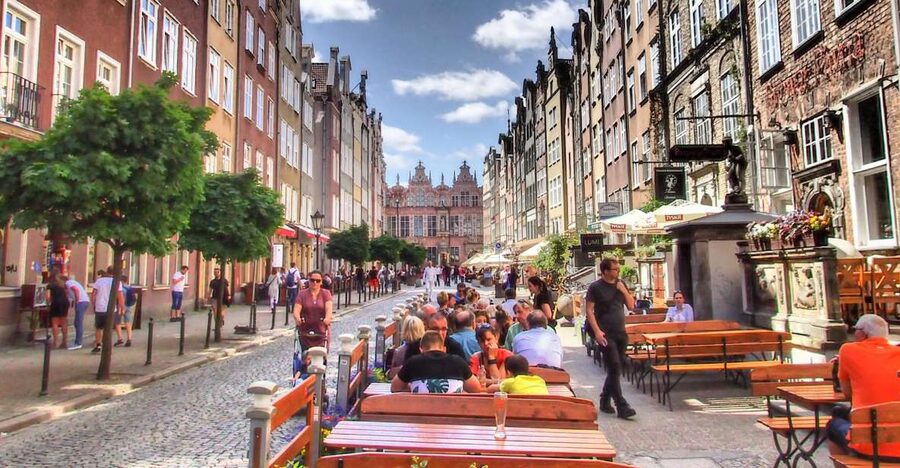
Right after that, the walk continues through areas like Piwna, with guided time included. This is where the tour starts to feel more like “being in Gdansk” rather than “touring Gdansk.” You get the sights, yes, but you also get the feeling of everyday routes and gathering spots. The guide’s job is to connect those small street details to bigger historical forces, so you know why you are standing there.
Piwna and the Old Town streets where characters seem real
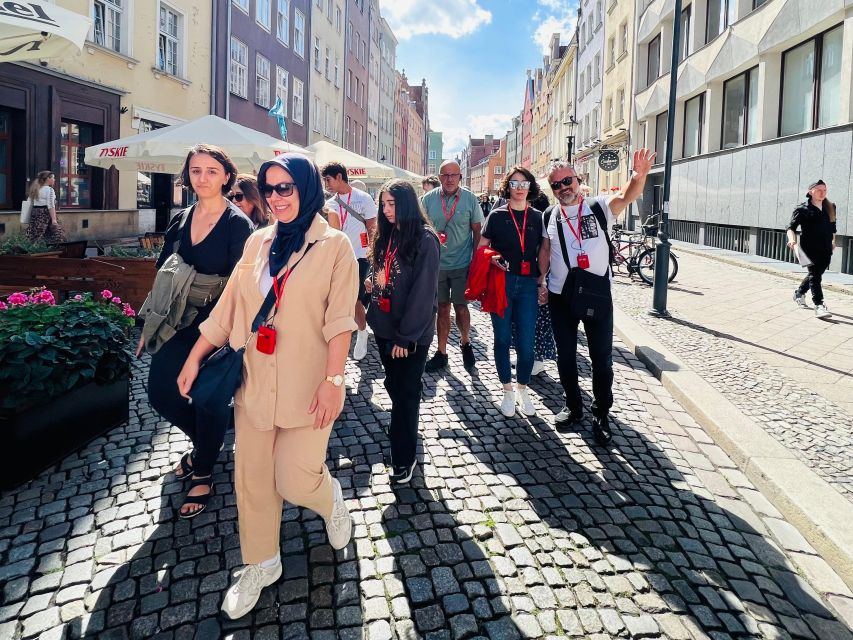
Gdansk’s Old Town has many famous thoroughfares, but the magic comes from transitions. One moment you are on a landmark street, the next you are moving into a more local-feeling stretch where the vibe changes.
On this tour, that rhythm shows up in the stop at Piwna. Guided time here gives you context for local life, including references to where the so-called local bohemians hung out. That kind of detail matters because it shifts Gdansk from “history museum” into “a city where people actually lived, worked, argued, celebrated, and survived.”
As you continue, you will move through major connecting areas that fit naturally into the route, including Golden Gate and the sweep of Long Market Street. You will also pass along Longshore Street and Tkacka Street as part of the walk. Even if you only remember the names later, those street labels help you reconstruct the path you took. That is a small thing, but it’s big for getting value from your time.
A balanced expectation: the tour is not trying to cram everything into a single narrative voice. It keeps shifting focus, just like the city’s own story shifts. That is why the route is described as varied, and it is why the walk can feel faster than its 150 minutes on the clock.
Mariacka Street and St. Mary’s Basilica, the “why” behind the beauty
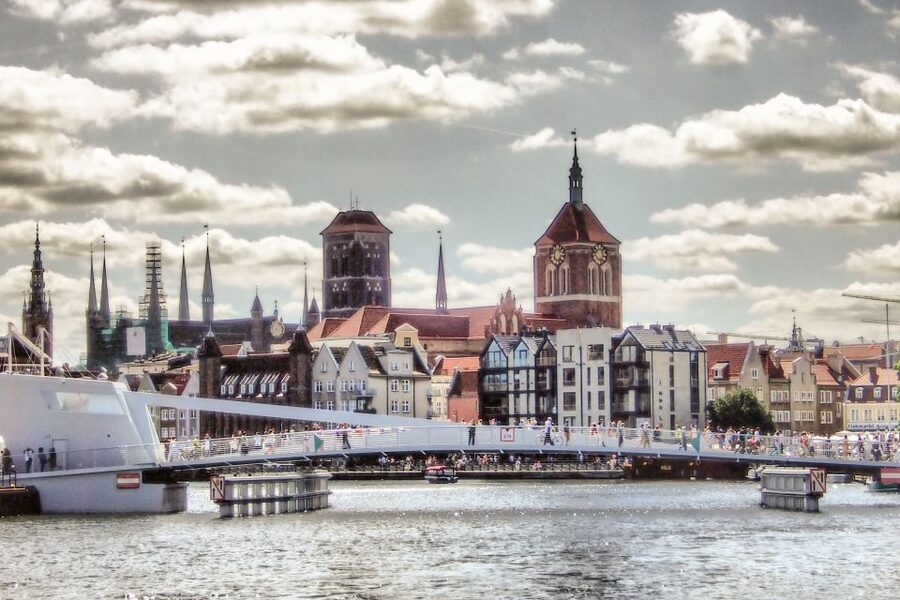
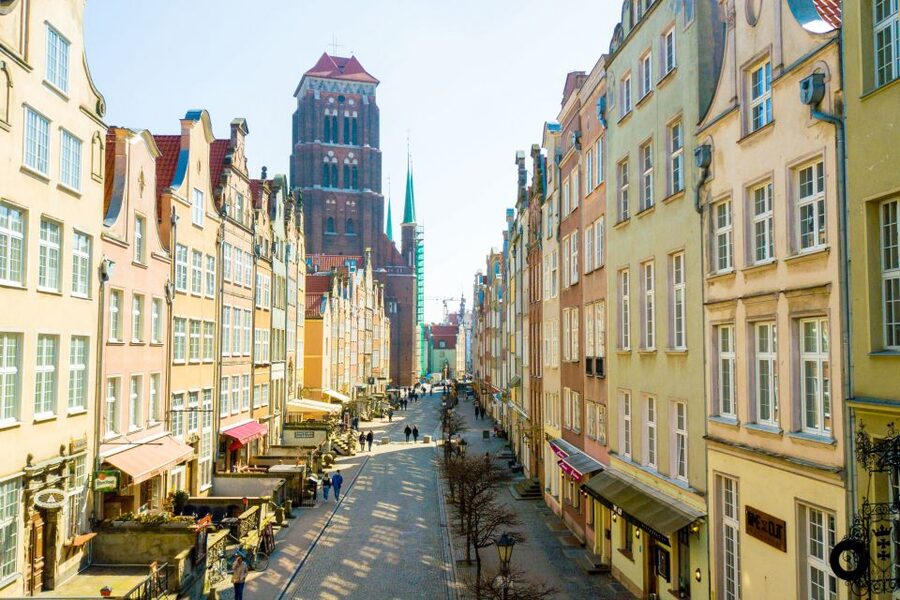
Mariacka is short in time, but it sets up the big moment. This is one of those Old Town streets where you can almost feel the purpose of the space, and your guide uses that to connect architecture with the people who paid for it and worshipped there.
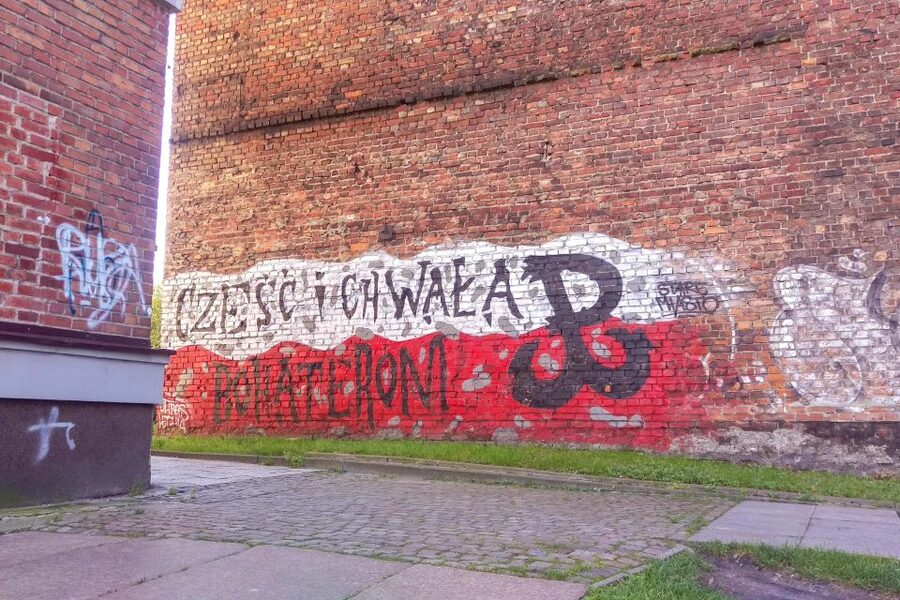
Then comes St. Mary’s Church with guided time. This is a highlight for a reason. You get both the visual impact and the story layer. From the tour description, you are not just hearing what the church looks like. You are getting a route to remember it by, including the chance to see panoramas of the city and the Gulf of Gdansk from the tower area.
The “value” angle here is simple: St. Mary’s Basilica is one of the strongest anchors in Gdansk’s Old Town. Once you understand its place in the civic and cultural story, the surrounding streets stop being random. They become linked, like scenes from the same movie.
The one consideration is practical, not dramatic. Plan for that 10 PLN basilica entrance fee and bring what you need to make the transition from street to interior smooth. Also, because the tour is a walking itinerary with historic surfaces, keep your footwear steady and supportive, and skip the idea of sports shoes.
Beneath the newer pins on the Gdansk board:




Stary żuraw port crane, WWII origins, and how work became survival
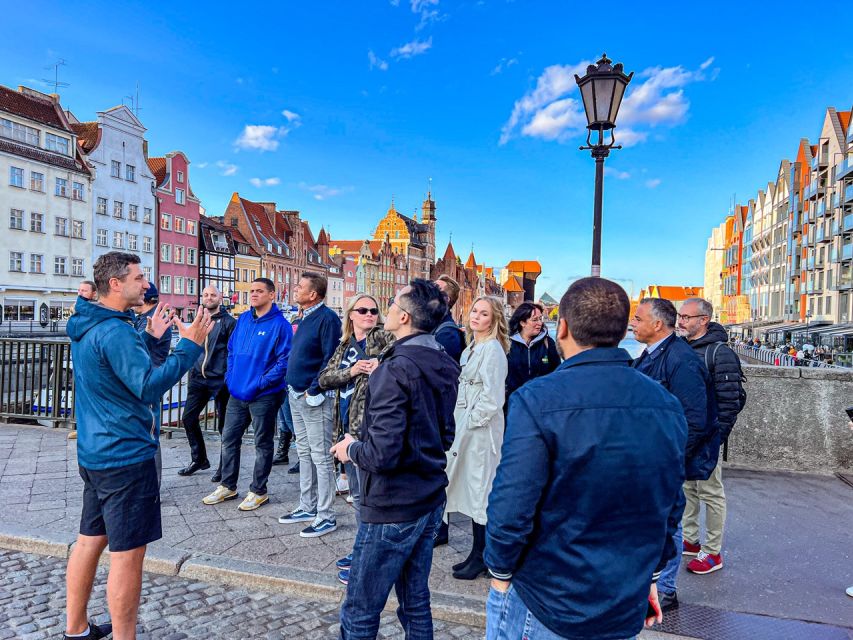
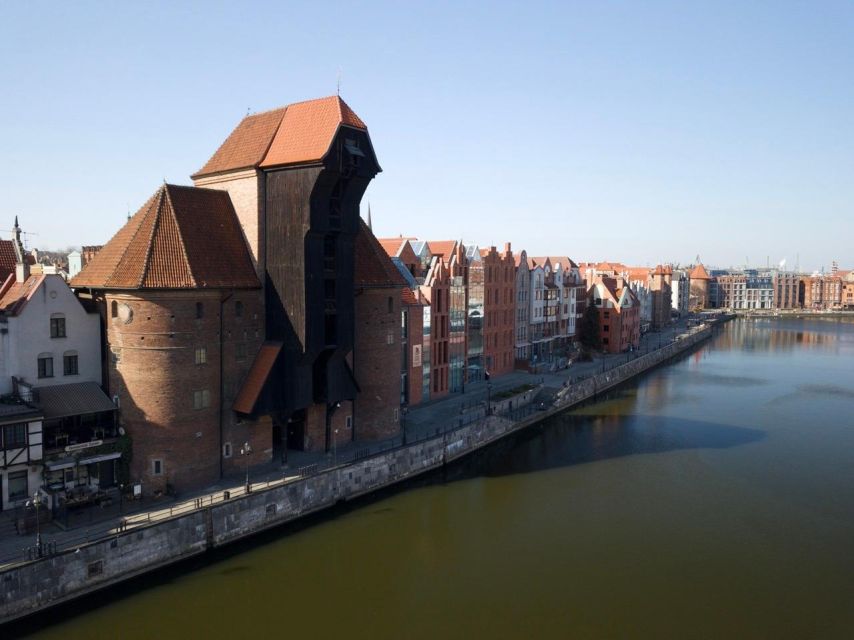
Gdansk is a port city, and this tour makes sure you feel that reality instead of only seeing it from a distance. A key stop is Stary żuraw portowy, the old port crane area. Guided time here helps you connect the city’s commercial life to the physical structures you see.
The reason this stop matters, especially if you are interested in WWII, is that ports are where the world collides. Goods, people, plans, and power all meet in the same space. Your guide’s story line includes that WWII began in Gdansk, and that connection becomes easier to grasp when you have stood near the harbor infrastructure and heard how the city’s workforce and trade shaped everyday life.
This is also where the tour’s “turns of the century” framing becomes useful. When you understand that the city’s development was tied to trade and local character, the later political upheavals feel less abstract. You do not just hear names and dates. You see the kind of place where those events could start, grow, and spread.
One more reason I like this segment for most visitors: it gives you variety. After churches and market streets, the crane and port area offer a different kind of photo and a different kind of story. You come away with images that are not all the same color palette or architectural style.
The Museum of the Polish Post and why resistance traveled by mail
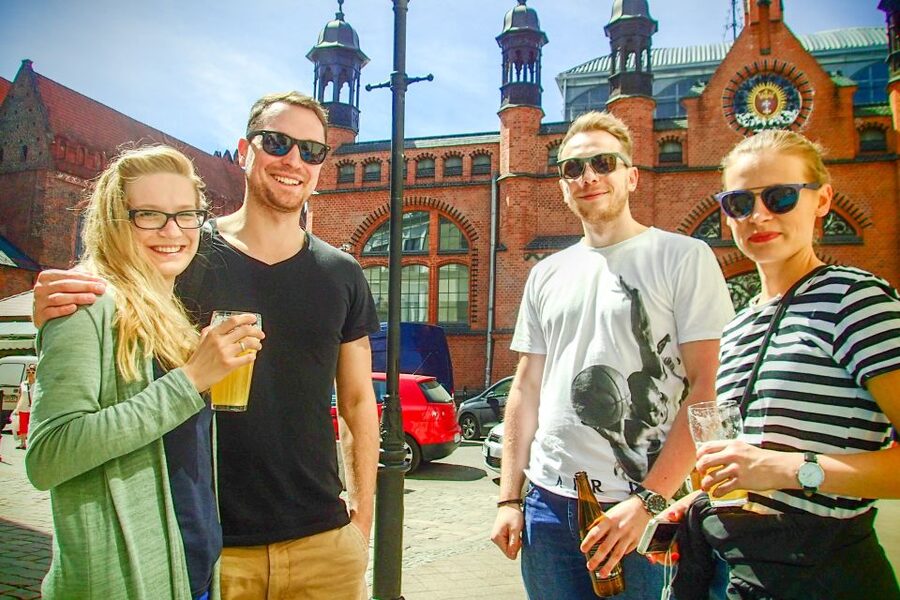
A standout portion is the stop at the Museum of the Polish Post. It has a longer guided block, about 30 minutes, and that time gives your guide room to connect communications to daily life and to political pressure.
This is the kind of museum experience that works best with a guide. Without context, you might see displays and miss the bigger point. With a good guide, you can start noticing how messages, information flow, and secrecy become part of resistance movements.
The tour description also points toward the history of Solidarity and the struggle of Poles with the communist regime. A post museum is a natural setting for those themes because communication is a tool. It shapes organizing, spreads ideas, and helps people coordinate when open public action is restricted.
If you like experiences where history is tied to a specific place rather than a generic lecture, this is your stop. It makes the political story more human. And if you enjoy “you can picture it” learning, the museum time is likely to stick because you connect what you hear to a physical setting tied to real daily systems.
Golden Gate to the Great Arsenal, the walking logic of the Old Town
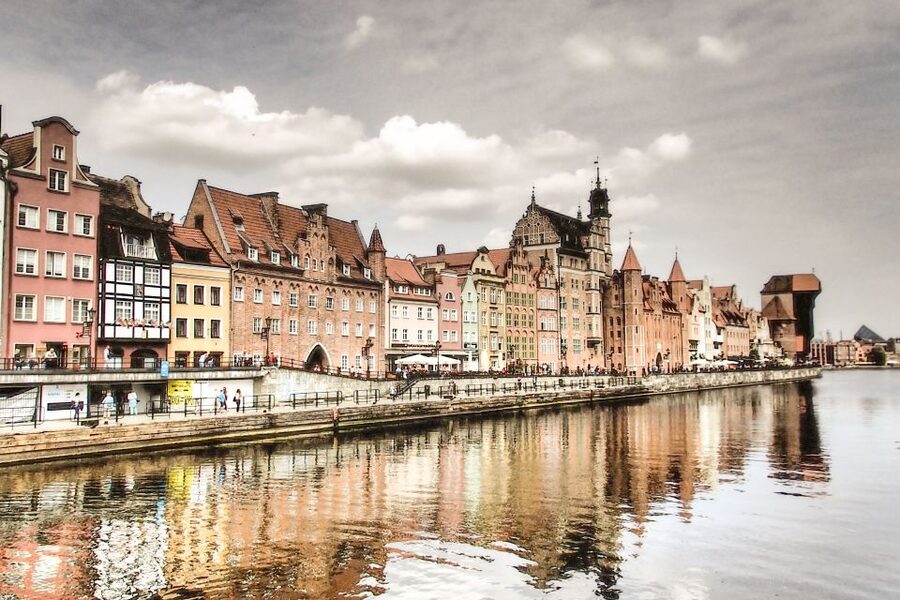
Even without formal time blocks listed for every street name, the tour’s route includes major corridors and in between spaces that build continuity. You will move through Golden Gate, then along the Long Market Street stretch, into Longshore Street, and further through areas like Mariacka Street and Tkacka Street. The tour also leads you toward the Great Arsenal area.
What I like about this structure is that it follows a logic you can reuse later. After the tour, you can think, “Okay, I know the spine of the Old Town.” Golden Gate becomes a reference point. Long Market gives you scale. Longshore connects to the port feel. Tkacka helps you remember the weaving lanes that make Gdansk look and feel so distinctive.
It also supports the tour’s theme of difficult history. When you pass the places tied to WWII beginnings and later resistance themes, you are not hopping randomly between big stops. The walking order helps you understand how these story points fit together geographically.
Comfort check: the tour is 150 minutes total and private. That means the guide can keep the pace, but you should still plan for continuous walking. If you have a lower tolerance for cobblestones or uneven surfaces, you may find the pace harder than you expected, even with a private group.
Private group value: when 192 USD makes sense
The price is $192 per group up to 20 for a 150 minute tour, with a live guide included. For a private walking tour, that is the key detail. The value depends on how many people you bring.
- If you are two people, you will feel the cost more because you’re splitting a single group rate.
- If you have a small group, say 6 to 10, the per person cost becomes much more reasonable.
- If you can fill the group toward the upper end, the value shifts heavily in your favor.
This tour is best when you want a guide who can answer questions and tailor the pace. The names Ulla and Bozena come up for a reason: guests valued how guides adapted to group demographics and handled questions. That kind of responsiveness is hard to get on larger public tours.
You also get two language options: English and Polish. That matters if you want a certain nuance in the historical framing or you are traveling with someone who prefers one language.
Small but important note on comfort rules: sports shoes are not allowed. That likely means the tour expects dress suitable for historic areas. Bring shoes that feel stable for walking, and keep them clean enough for inside church areas.
Who should book this Gdansk Old Town private tour?
Book it if you want Gdansk to feel like a connected story. You will see the Old Town’s big icons, but you will also hear how people lived through major shocks, including WWII origins and the arc toward Solidarity.
This tour is a strong fit for:
- Couples or friends who want a guided walk at a pace that leaves room for questions
- Travelers who prefer history tied to specific places, like the Polish Post Museum and the port crane area
- People who want tower views to help them orient themselves quickly
It is less suitable if:
- You need step free access or mobility support, since it is not suitable for people with mobility impairments
- You are looking for a seated, low walking experience
- You plan to wear sports shoes, since the tour prohibits them
Should you book it?
In my opinion, this is worth booking when you care about context, not just photos. The mix is smart: tower views for orientation, Old Town streets for atmosphere, and history stops that explain why Gdansk’s turning points happened where they did. With private guidance, you also get the kind of back and forth that helps details stick.
If you are short on time in Gdansk and want the Old Town to make sense fast, this tour gives you that structure. Just budget for the basilica entrance fee and pack shoes that fit the dress rules.
FAQ
How long is the Gdansk private Old Town tour?
The tour lasts 150 minutes.
Where does the tour start?
It starts at the Millenium Tree.
What is the price for this tour?
The price is $192 per group (up to 20 people).
Is this tour private, and is a guide included?
Yes, it is a private group tour and it includes a live guide.
What languages are available for the tour?
The live tour guide is available in English and Polish.
Do I need to pay an entrance fee?
Yes. You should have 10 PLN for the entrance fee to St. Mary’s Basilica.
Are sports shoes allowed?
No, sports shoes are not allowed.
FAQ
Is this tour suitable for people with mobility impairments?
No, it is not suitable for people with mobility impairments.
Freshly posted from Gdansk
- 1-Day Private Tour Stutthof Concentration Camp and Malbork Castle★ 5.0 · 1 review
- Oliwa Cathedral in Gdansk & Trip to Park – 2h private trip by luxury car★ 5.0 · 1 review
- Private Bartending Workshop in Gdańsk★ 5.0 · 1 review
- A Two Hour Walking Tour in Old Town Gdansk★ 5.0 · 1 review
- Gdańsk Private Romantic Sunset Cruise★ 5.0 · 1 review
- Sopot: Old Town Highlights Private Walking Tour★ 5.0 · 1 review
- Surprise Walk of Gdansk with a Local★ 5.0 · 1 review
Gdansk Tours & Activities, compared.


Gdańsk City Sights & History Guided Walking Tour in English
Read our review →

Olivia Star Sky-High Views, Dinner, and Cocktails
Read our review →
Shared or Private City Tour Sightseeing by Golf Cart
Read our review →