
Reviewed · GDANSK TOURS & ACTIVITIES
Gdansk: European Solidarity Centre Guided Tour
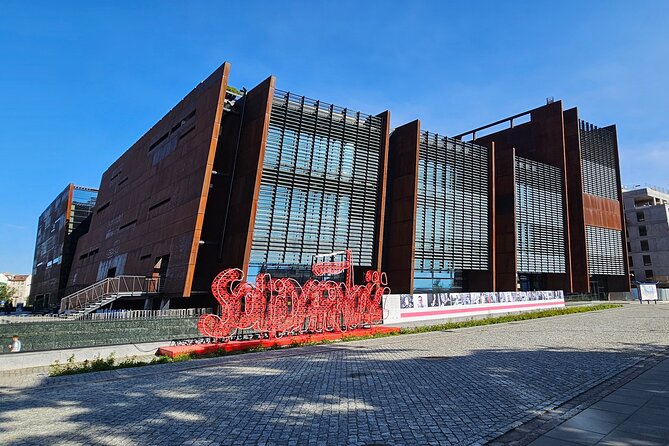
Freedom has a sound here in Gdańsk. The European Solidarity Centre turns communist-era history into an interactive, guided story, with recreated strikes, multimedia scenes, and you following key figures like Lech Wałęsa alongside Polish workers. I really like how the experience feels less like reading dates and more like watching events unfold in real time.
My second favorite part is the wider reach. You do not stop at Poland, you see Solidarity’s influence across Eastern Europe, and the tour keeps nudging you to think about today’s social justice and human rights conversations. One guest even singled out guide Marta for making the experience organized and emotionally powerful.
The main thing to plan for is physical and practical. The tour involves climbing and descending staircases, and luggage or large bags are not allowed, so light packing matters.
In This Review
- Key highlights you will actually feel
- A museum that tells Solidarity through people, not just dates
- Walk-through time: strikes, Wałęsa, and multimedia that stays human
- The round table negotiations: why compromise became power
- Solidarity’s ripple effect across Eastern Europe
- Learning without a lecture: workshops, films, and discussion energy
- How 150 minutes works in real life
- Price and value: what you get for $83
- Practical tips so the visit feels smooth
- Where this tour fits your travel style
- Should you book the European Solidarity Centre guided tour?
- FAQ
- How long is the Gdańsk European Solidarity Centre guided tour?
- What languages are available for the live guide?
- What’s included in the price?
- Do I skip the ticket line?
- Is the European Solidarity Centre wheelchair accessible?
- Are large bags allowed inside?
- Is there an age requirement?
- Can I cancel and get a full refund?
Key highlights you will actually feel
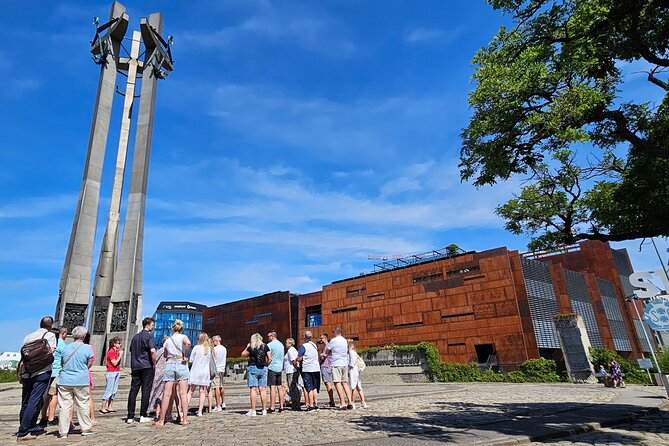
- Recreated strike scenes and multimedia moments that make Solidarity-era struggle easier to grasp than textbook history
- Lech Wałęsa and Polish workers in the story, so the movement feels personal, not abstract
- Round table negotiations shown as a turning point, with guided context for why compromise mattered
- Global Solidarity impact that connects Poland to wider uprisings and change in Eastern Europe
- Workshops and film screenings that keep the visit from ending when the museum closes in your head
- A live guide in English or Polish, which is especially helpful when the museum uses lots of visual storytelling
A museum that tells Solidarity through people, not just dates
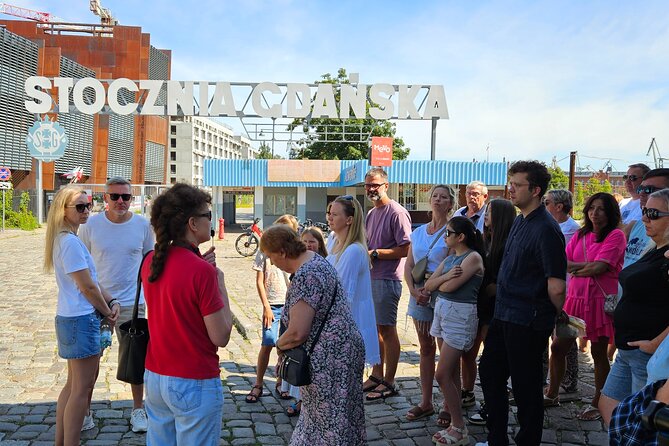
The European Solidarity Centre works because it treats history like a chain of choices. Instead of a quiet, do-not-touch museum, you get guided interpretation while you move through scenes designed to feel active and immediate. That matters because Solidarity was not only politics. It was ordinary people coordinating, insisting, and organizing.
I also like that the tour keeps the focus on what you might call lived experience. You are guided through the fight against communism with a “walk through the story” format, so events connect step-by-step rather than feeling like separate rooms of trivia. If you enjoy understanding the why behind big events, this kind of structure is a strong fit.
There is a second benefit, too. The experience naturally shifts from “what happened” to “what it sparked.” You end up with a sense of ongoing influence, not just a closed chapter about the past.
Still tacked up around Gdansk
- Gdansk: City Cruise on Historical Polish Boat
★ 4.8 · 2,913 reviews - Gdańsk: Sunset Cruise on a Historic Polish Boat
★ 4.9 · 977 reviews - Gdańsk City Sights & History Guided Walking Tour in English
★ 4.8 · 876 reviews
Walk-through time: strikes, Wałęsa, and multimedia that stays human
The heart of the tour is the guided journey through Solidarity’s core conflict. You follow the movement through representations of strikes and workers’ pressure, and you see how communist power met collective resistance. The tour description points to recreated strikes, multimedia displays, and guided storytelling around key people and roles.
What I like about this setup for your visit is how it reduces confusion. When a museum uses media and re-creations, it can sometimes feel like noise. With a professional guide, those tools become signposts. You are not left guessing what you are looking at or why it matters.
Another detail to appreciate: the tour specifically includes walking alongside Lech Wałęsa and Polish workers. That phrasing matters because it suggests you are not only watching the leadership story. You are also meant to understand the role of ordinary people in making change possible. If you care about how movements actually form, not just who gets remembered, you will probably feel the “this was made by people” message clearly.
The round table negotiations: why compromise became power
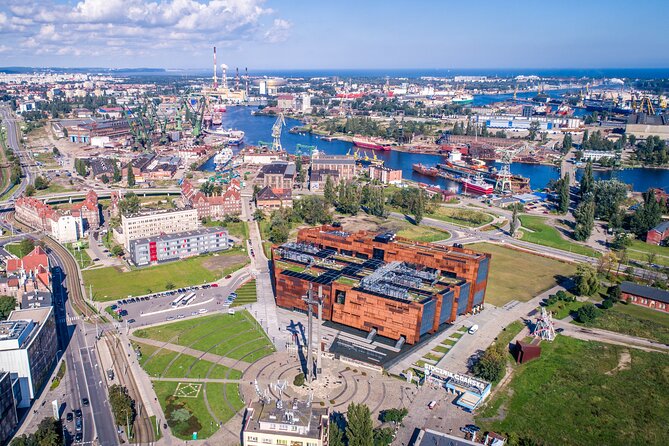
One of the tour’s standout elements is coverage of the iconic round table negotiations. These moments are often described quickly in history lessons, but they can be hard to visualize. Here, the guided approach helps you place the negotiations in the broader struggle against communism.
For you, the value is context. Negotiations are not just dramatic meetings. They are the part where pressure, fear, strategy, and timing collide. A good guide can translate that into plain language, so you understand what made talks possible and what they were meant to prevent or achieve.
You should also be ready for the emotional tone. Solidarity-era stories can feel heavy, and the setting is built to make you reflect rather than just skim. If you like museums that make you sit with meaning, this segment likely lands well.
Solidarity’s ripple effect across Eastern Europe
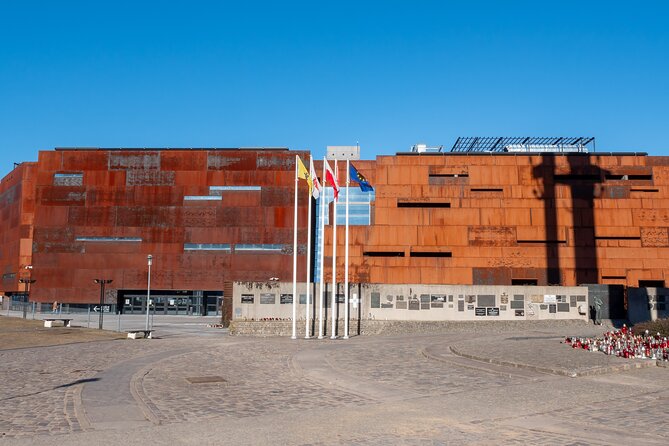
The tour does not stop at Poland’s borders. You move into exhibits that show Solidarity’s global influence, including how similar revolutions spread across Eastern Europe. This is a smart design choice because it answers the question, “Was this unique, or contagious?”
I like that the tour frames Solidarity as an idea that traveled. The movement becomes more than a local political episode. It turns into a model of how civic organizing and human rights messaging can push against authoritarian systems.
And it is not just history-of-history. The tour keeps tying the past to contemporary themes like social justice and human rights. If you want a visit that gives you something to think about after you leave the building, this is one of the best reasons to book a guided version.
Beneath the newer pins on the Gdansk board:




Learning without a lecture: workshops, films, and discussion energy
A guided museum can go one of two ways. Either it becomes a lecture with occasional visuals, or it stays a conversation you can feel. This experience aims for the second.
The information you get includes workshops and film screenings, and it is described as a platform for discussion. That means the visit is not only about absorbing information. It is also about processing it with others in the room and letting the ideas connect to today.
If you prefer passive sightseeing, you might find the discussion-focused format slightly more demanding. But for most people, the added interaction is what makes the experience memorable. Even if you are not the type to talk much, the guided structure helps you ask better questions privately, in your own head.
How 150 minutes works in real life
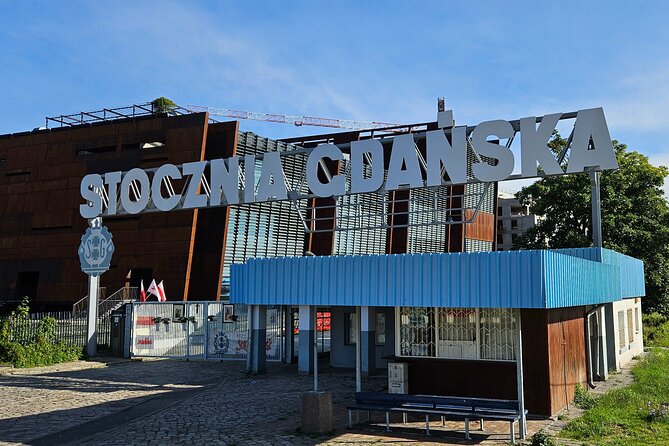
A 150-minute tour is long enough to cover the story, but not so long that you feel trapped. For most visits, this length hits the sweet spot where you can see major segments of the centre, keep your attention, and still have energy at the end.
Because the tour includes staircases, I would plan on moving actively for the whole time. You will not want to spend your best walking minutes squinting at your phone or stopping constantly to regroup. Go in with a simple plan: water bottle, comfortable shoes, and no heavy bag dragging you down.
Also note that the start time may change slightly depending on guide availability. That is normal for live tours, but it is still worth building a little buffer into your day so you do not feel rushed before you even begin.
Price and value: what you get for $83
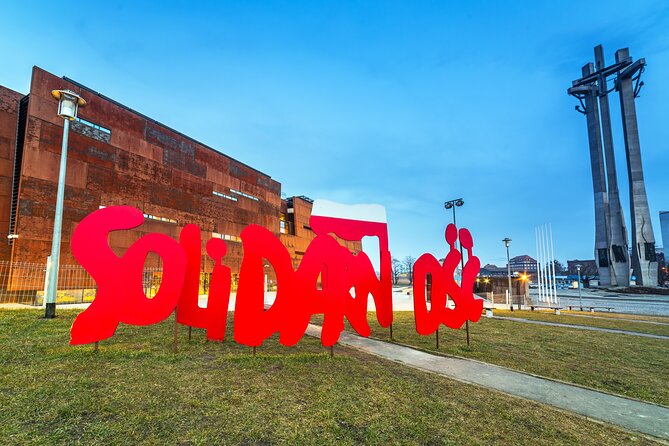
At $83 per person for about 2.5 hours, this is not a bargain-basement tour. It does, however, bundle three things that usually cost extra when bought separately: a live guide, entrance tickets, and the practical skip-the-ticket-line benefit.
Here is how I think about value for your money. A guided visit is worth it when the place is storytelling-heavy, uses lots of interactive or multimedia components, and benefits from translation and interpretation. This centre seems built around exactly that kind of experience. You are also shown scenes tied to major events and negotiations. Without guidance, you might still understand the big picture, but you would likely miss some of the connective tissue.
So the price makes sense if you want more than just a self-paced museum walk. If you like turning a visit into a clear narrative with context, the guided format is the reason the cost feels justified.
Practical tips so the visit feels smooth
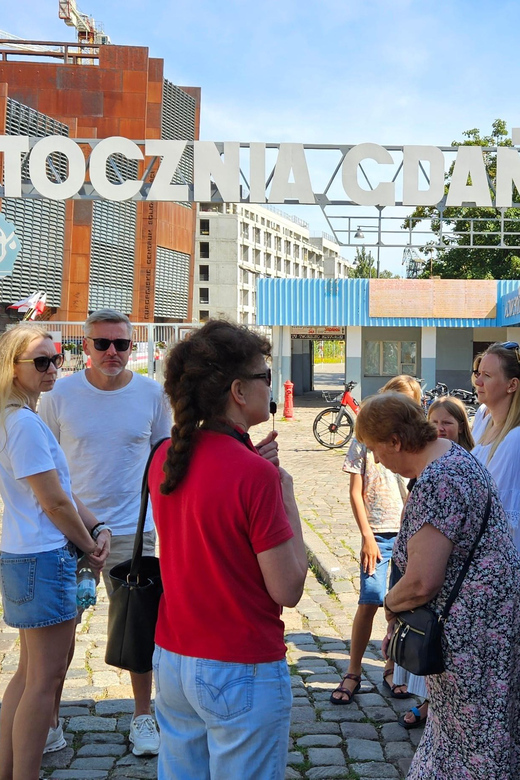
Before you go, know these details so you can spend your energy on the story, not on friction.
- Arrive at the meeting point at least 10 minutes early. Meeting points can vary based on the option you book, and you want time to find it and settle.
- Bring only what you need. Luggage or large bags are not allowed, so pack light.
- Plan for stairs. The tour involves climbing and descending staircases. Even if you are comfortable walking, keep it in the back of your mind when choosing footwear.
- Wheelchair accessible, with a real-world note. The tour is wheelchair accessible, which is a huge plus, but stair-related movement still means you should be ready for how your route might be handled in practice.
I also suggest wearing something you can sit in comfortably during discussion or film moments, if they occur during your specific time slot. Museums can be interactive, but your body still needs comfort.
Where this tour fits your travel style
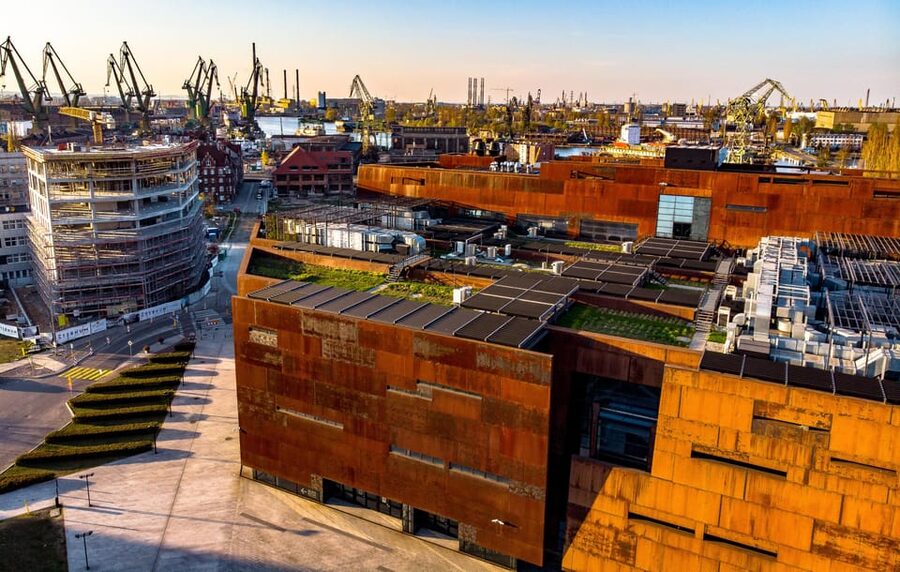
This is the kind of guided visit that suits a few different types of travelers.
It is great for you if you:
- like political history that focuses on real people and collective action
- want context for complex turning points like negotiations
- prefer guided interpretation when a museum uses multimedia and recreations
It is also a strong choice if you are traveling as a couple or small group and want a structured experience with clear pacing. The tour runs 150 minutes and is led by a professional guide in English or Polish, so you can follow even if history topics are new to you.
If you hate guided tours and want total freedom to wander, this may feel more structured than you prefer. But if you are willing to be guided, you will likely leave with a much clearer understanding of how Solidarity worked and why it mattered beyond Poland.
Should you book the European Solidarity Centre guided tour?
If your goal is to understand Solidarity as a living force, not just memorize facts, I would book it. The guided format is the main advantage here because the centre uses re-creations and multimedia that make more sense with interpretation.
I especially recommend it if you care about how social movements start with ordinary people and then spread. The combination of strikes, Wałęsa and worker-focused storytelling, the round table negotiations, and the global ripple exhibits is exactly the mix that turns history into something you can explain later.
One more practical check: be honest about the stairs and your luggage. If you are traveling light and comfortable with movement, the visit sounds like a great value for your time. If stairs are a serious issue for you, you should think carefully about your comfort level before booking.
FAQ
How long is the Gdańsk European Solidarity Centre guided tour?
The tour lasts 150 minutes.
What languages are available for the live guide?
The tour offers a live guide in English and Polish.
What’s included in the price?
The tour includes a professional guide and entrance tickets to the European Solidarity Centre.
Do I skip the ticket line?
Yes, the tour includes skip-the-ticket-line entry.
Is the European Solidarity Centre wheelchair accessible?
The activity is wheelchair accessible.
Are large bags allowed inside?
No. Luggage or large bags are not allowed.
Is there an age requirement?
You must be 18 years or older, or be accompanied by an adult, to book.
Can I cancel and get a full refund?
Yes. You can cancel up to 24 hours in advance for a full refund.
Freshly posted from Gdansk
- Private Walking Tour of Old Gdańsk with an architect-guide★ 5.0 · 7 reviews
- GDANSK City Tour by Golf Cart Live Guide & Sightseeing 90min★ 4.7 · 7 reviews
- Stutthof Concentration Camp private tour★ 5.0 · 7 reviews
- Private Roundtrip Transfer to Stutthof Concentration Camp 4h★ 5.0 · 7 reviews
- Gdansk: Polish Craft Beer Tasting Session★ 4.5 · 7 reviews
- Gdansk, Sopot & Gdynia – Private 3 City Tour★ 5.0 · 7 reviews
- Gdansk: PRIVATE Alcotour City Tour Sightseeing Golf Cart★ 5.0 · 7 reviews
Gdansk Tours & Activities, compared.


Gdańsk City Sights & History Guided Walking Tour in English
Read our review →
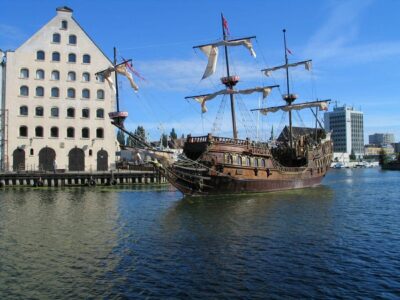

Olivia Star Sky-High Views, Dinner, and Cocktails
Read our review →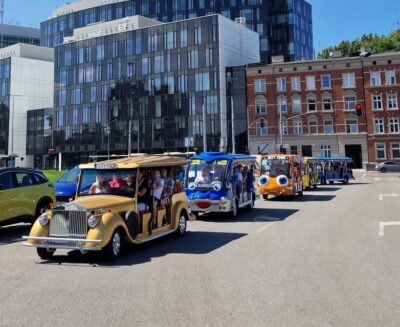
Shared or Private City Tour Sightseeing by Golf Cart
Read our review →
Sightseeing EcoCruise around the Old Town of Gdansk
Read our review →Browse the lists this tour appears in