
Reviewed · AUSCHWITZ-BIRKENAU GUIDED TOURS
Auschwitz-Birkenau: Skip-the-Line Entry Ticket & Guided Tour
Expect the past to land hard, and this tour helps you face it with structure. You get skip-the-line entry to Auschwitz-Birkenau and a museum-licensed guide that keeps the story clear across Auschwitz I and Auschwitz II Birkenau.
What I like most is how the experience is paced for understanding, not just sightseeing. In many groups, you also get headsets so you can hear the guide even while moving through crowds, and guides like Anna, Teresa, Suzanna, and Mario are repeatedly praised for being sensitive and very easy to follow.
One thing to consider is that the schedule is controlled by the memorial, so you do not get a lot of free roaming time. There is also a short break during the switch between camps, and the tour info notes you should get to the Brzezinka car parking area, about 2 km away, during that transition.
In This Review
- Key things that make this tour worth your money
- Skip-the-Line Helps You Start in the Right Place
- Museum-Licensed Guides and How the Tour Stays Respectful
- Auschwitz I: The Main Gate, Barracks, and What You Learn First
- The Break and The Brzezinka Transition Between Camps
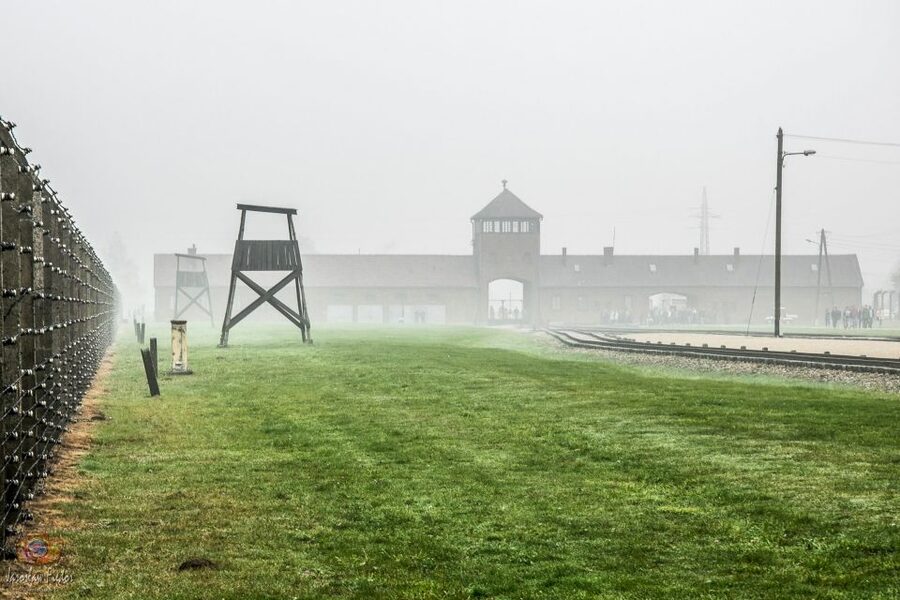
- Auschwitz II Birkenau: The Ruins of the Gas Chamber and the Scale
- Timing, Pace, and Headsets in 225 Minutes
- Price and Value for a Museum-Guided Experience at About $21
- Dress Code, Bag Limits, and Rules That Affect Your Day
- Who Should Book This Tour, and Who Might Want Another Option
- Should You Book This Tour? A Simple Decision Checklist
- FAQ
- What is included in the Auschwitz-Birkenau skip-the-line guided tour?
- How long does the tour take?
- Are transportation costs included from my hotel or apartment?
- Do I get help moving between Auschwitz I and Auschwitz II Birkenau?
- What are the meeting and start time details?
- What languages are available for the live guide?
- What do I need to bring?
- What bag size is allowed, and what is not allowed?
- Is lunch provided?
- Is the tour wheelchair accessible?
- Can I cancel for a refund?
Key things that make this tour worth your money
- Skip-the-line entry so you start quickly after security
- Museum-provided licensed guide for a careful, accurate presentation
- Two-camp flow with time set for Auschwitz I, then Auschwitz II Birkenau
- Headsets for clarity during walking and crowd movement
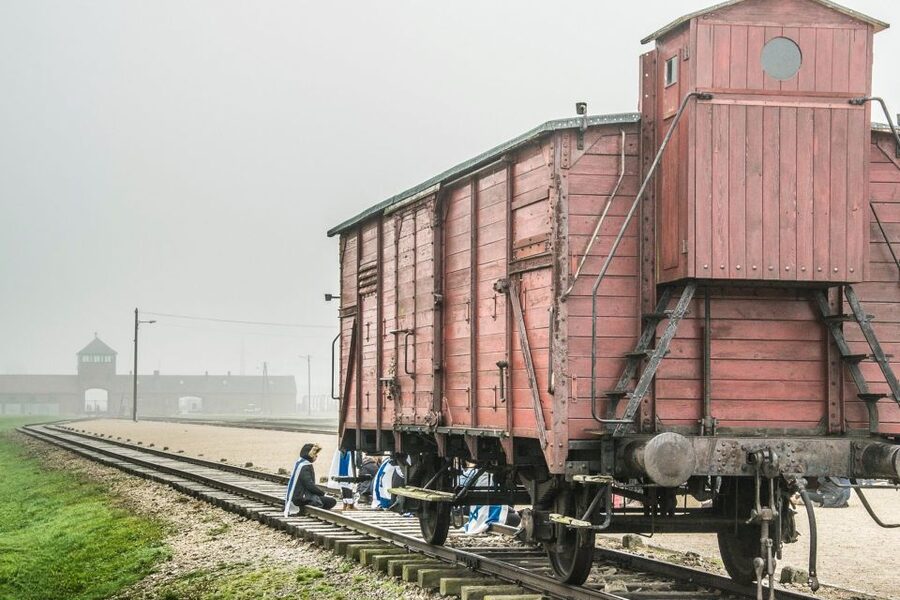
- Ruins and original barracks included in the sights, not just general talk
- A short break for lunch between the first and second parts of the visit
Skip-the-Line Helps You Start in the Right Place
Auschwitz-Birkenau is one of those places where your day can be ruined by logistics. This tour fixes that part by giving you fast-track entry, so you spend less time stuck in the ticket line and more time on the actual visit.
The tour starts with a meeting at the museum entrance area. Then you go through the security check with your pre-booked ticket. Once you are inside, the whole thing feels more manageable, even if it is still emotionally heavy.
A practical note: the entrance area can feel chaotic. A review I read mentioned confusion about finding the right guide at a crowded start. I’d handle that by arriving with extra buffer time, keeping your booking confirmation handy, and staying alert to the group name or meeting instructions you receive the day before.
Other Auschwitz-Birkenau guided visits on this site:
- From Krakow: Auschwitz-Birkenau Guided Tour & Hotel Pickup
★ 4.5 · 33,358 reviews - From Krakow: Auschwitz-Birkenau Guided Tour & Hotel Pickup
★ 4.5 · 29,340 reviews - Krakow: Auschwitz Guided Tour with Optional Hotel Pickup
★ 4.5 · 15,280 reviews
Museum-Licensed Guides and How the Tour Stays Respectful
This is not a generic “see the sights” tour. The guide is provided by the Auschwitz-Birkenau Museum and is described as licensed. That matters because the facts here are specific, and the memorial has standards for how information is shared.
You will hear a guided explanation of how Auschwitz-Birkenau was funded by the Nazi party in 1940, and how it became a symbol of human suffering. More importantly, you get context that connects what you see to what happened there, so you can make sense of the remains instead of feeling lost in a museum maze.
The guide quality shows up again and again in the names people mention. Anna is praised for clear, thoughtful storytelling and strong context. Teresa is described as exceptional, knowledgeable, and sensitive. Suzanna and Mario also come up with repeated compliments for being respectful and very professional. Even if your guide is different, the pattern is consistent: calm pacing, careful wording, and answers to questions.
One extra comfort: headsets. Reviews specifically mention that they were provided and helped people keep up without straining to hear in busy areas. If you are worried about noise or group movement, headsets are a big deal.
Auschwitz I: The Main Gate, Barracks, and What You Learn First
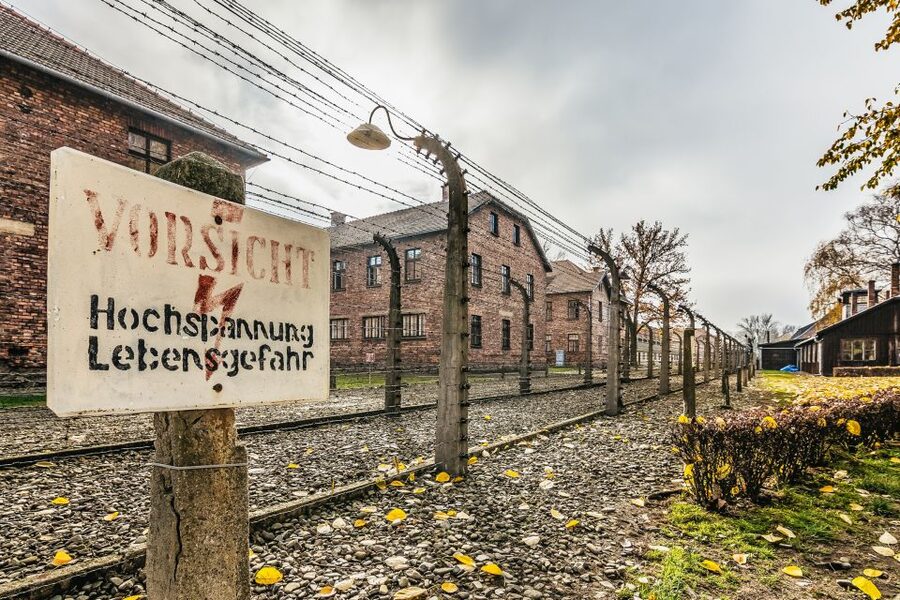
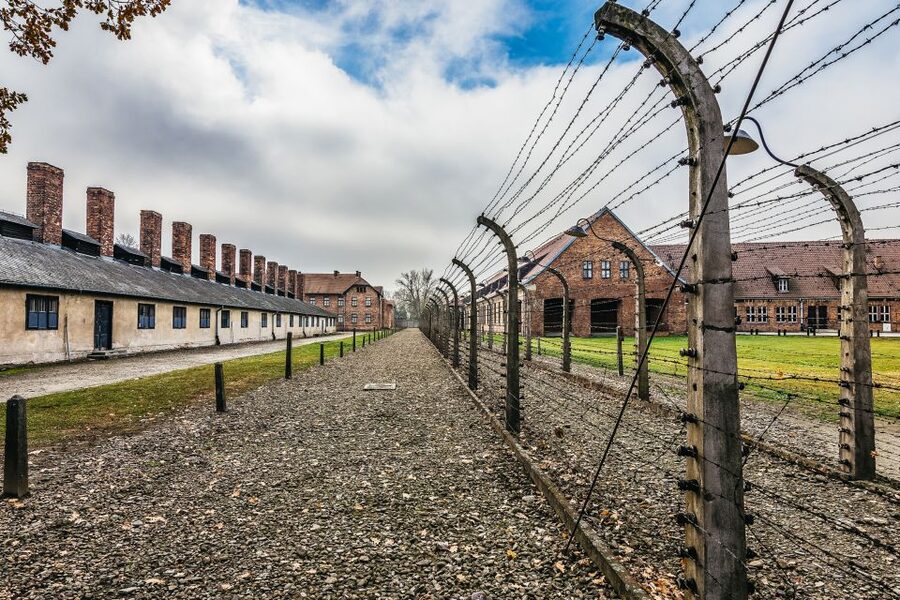
Auschwitz I is where the visit sets your mental baseline. You’ll typically spend about 1 hour 20 minutes to 1 hour 50 minutes in the first part, and the tour covers the remains of the camp’s core story.
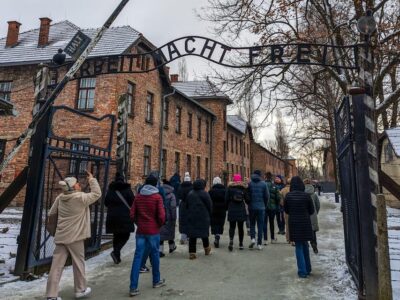
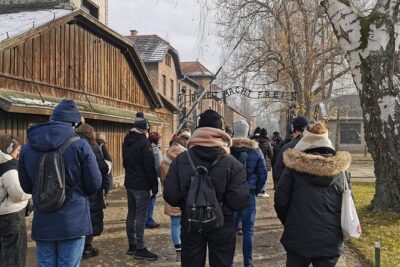
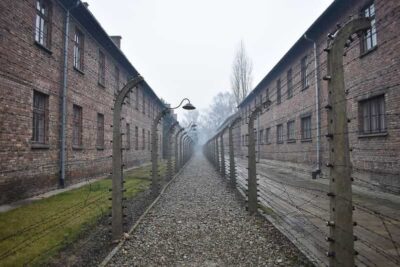
You will see the main gate to Auschwitz, and you’ll spend time with original features like barracks and other preserved parts of the site. The camp layout is hard to take in at first, especially because it is not staged like a typical museum. That is exactly why a guide helps. You’re not just looking at buildings, you’re learning what they represented and how the camp system worked.
One thing I appreciate in this approach is that it gives you the “why” before you get hit with the “scale.” Auschwitz I often feels like the foundation layer of the story. If you go in with even a little patience, you’ll find your understanding becomes sharper right before the visit switches to Birkenau.
A downside to keep in mind: multiple reviews note that the experience can feel fast-paced. Sophie specifically mentioned that you do not have long to view certain areas due to the volume of tours moving through. That means you should accept you are seeing the major points in a guided route, not doing a slow independent walk.
The Break and The Brzezinka Transition Between Camps
Between the first and second parts, you get a 10 to 15 minute break. This is where you eat lunch if you brought it.
The timing details matter here. The tour info also notes that after completing Auschwitz I, there is a 15 minute break during which you should go to the car parking area in Brzezinka by your own transport, about 2 km. In plain terms: you may need to walk that short connection yourself during the transition window.
So plan for it. If you want to eat, do it quickly. If you hate tight timelines, consider that this is still a short break, not a long meal stop.
And yes, bring food and drinks if you can. The tour info recommends lunch and drinks because you will not have time to hunt for something nearby. When the topic is this intense, it’s easy to forget basics like water and calories.
Still tacked up around Krakow

Auschwitz II Birkenau: The Ruins of the Gas Chamber and the Scale
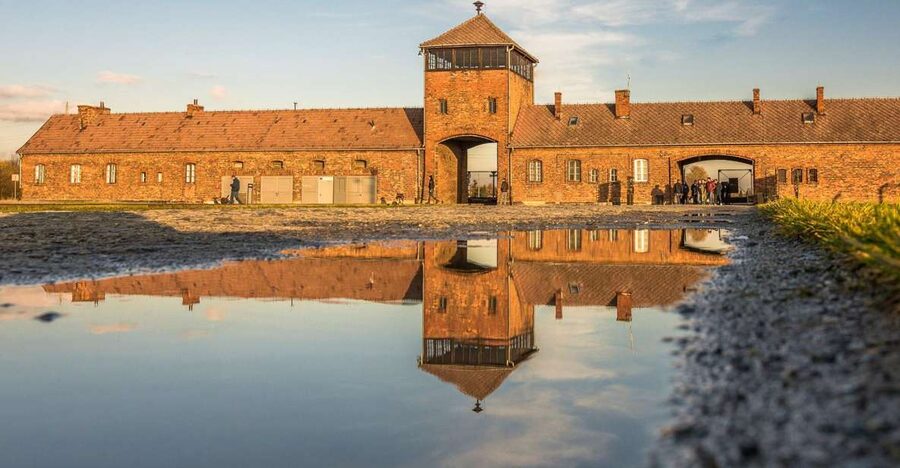
Then comes Auschwitz II Birkenau, and this is where the emotional weight often changes from “shocking” to “overwhelming.”
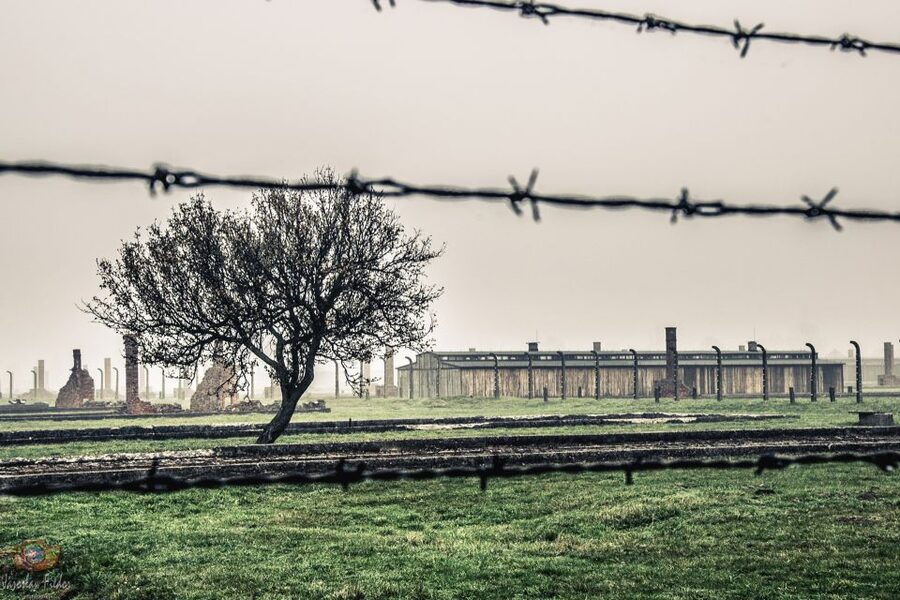
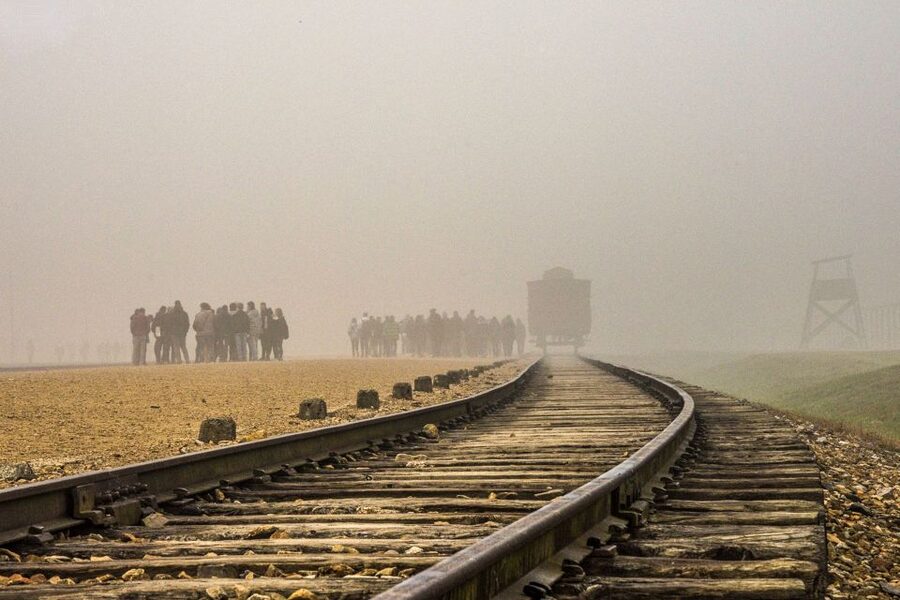
You spend around an hour with the same guide at Birkenau. The highlights include the ruins of the gas chamber and other camp remains, and the visit is built to show the scale of what the camp represented.
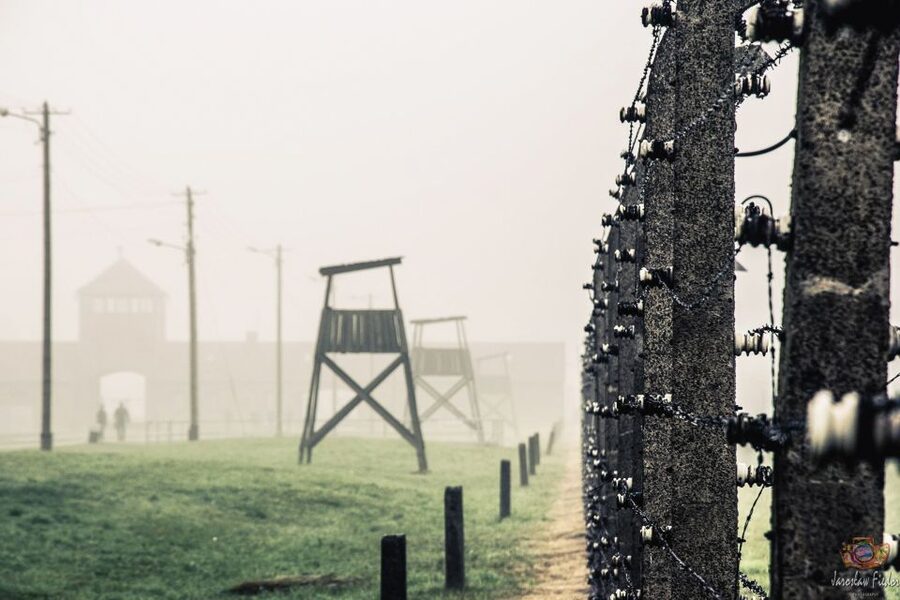
If Auschwitz I feels like the start of the explanation, Birkenau is often the moment where the explanation becomes physical. Birkenau’s ruins do not let you hide behind details. The distances and the layout push your brain to understand magnitude, not just events.
Some guides are praised for connecting what you see to survivors’ perspectives and the real human cost. For example, one review described a guide sharing personal stories of survivors alongside the historical facts, which can make the visit feel more grounded and less like a list of atrocities.
A note on expectations: the guide-led format means you are not meant to linger alone in every area. That can frustrate people who want long, silent reading time. On the flip side, it helps many visitors keep meaning while moving through a site that is emotionally exhausting.
Timing, Pace, and Headsets in 225 Minutes
The duration listed is 225 minutes, about 3 hours 45 minutes. That includes both camps and the short transition break.
The big thing to know is this: the memorial controls the pace and duration. The tour provider and guide do not control how long you pause in specific spots or when breaks happen. That’s why you should build your day around this experience rather than stacking other attractions next to it.
The tour can take place between 7:00 AM and 3:30 PM. You choose a preferred start time, but the exact starting time is sent to you the day before. That is normal for this kind of visit, but it affects how tightly you should plan the rest of your trip.
There is also a practical lesson from reviews: earlier starts can mean a calmer flow. One person noted that a shift to an early time brought less crowding and better comfort in hot weather. If your priority is focus, not battling crowds, start earlier when possible.
Price and Value for a Museum-Guided Experience at About $21
The price listed is $21 per person. For Auschwitz-Birkenau, that is not just “a ticket price.” You’re paying for:
- the entrance ticket to the museum
- a licensed guide provided for the visit
- all booking fees
What is not included is also important for value. Transportation to and from your accommodation is not included, and the food and drinks are on you. Parking fees and transportation between Auschwitz and Birkenau are also not included. That said, the tour description indicates you will board a bus for the second part, so you’re not handling all the camp-to-camp movement yourself. The key is that you should still assume some local logistics and timing needs, and you should not count on a private transfer from your lodging.
If you want the best value, you should budget for lunch and water, plus the time cost of getting to the meeting point and staying on schedule.
In short: this is good value because the ticket plus museum guide is built in. You are buying structure, clear explanations, and fast access.
Dress Code, Bag Limits, and Rules That Affect Your Day
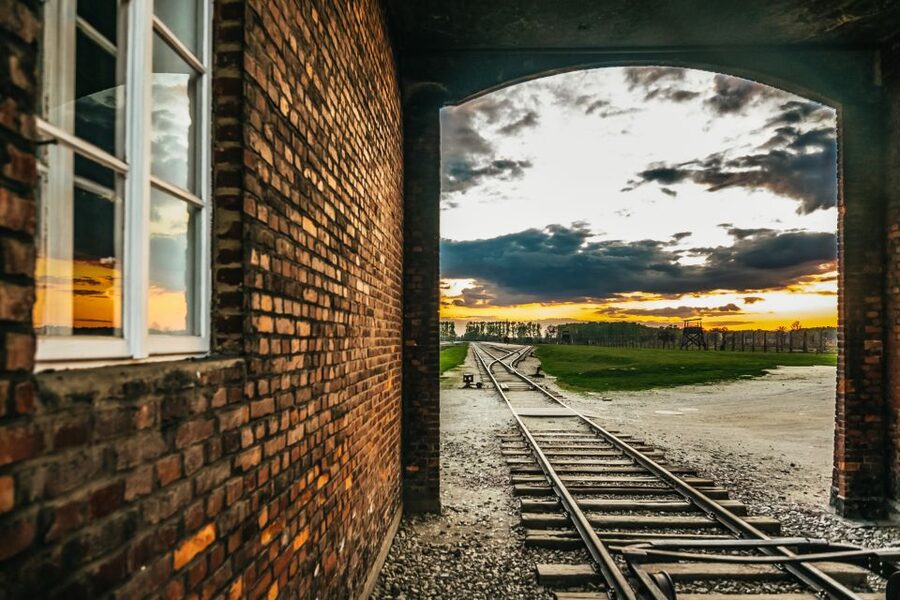
These memorial sites have strict rules, and Auschwitz-Birkenau is no exception. If you show up in the wrong outfit or with the wrong bag, you can waste time fixing it.
Here’s what you need to know from the tour info:
- Bring a passport or ID card
- No pets
- No smoking
- No luggage or large bags
- No backpacks
- Maximum bag size allowed is 20 x 30 cm
- No short skirts
- No sleeveless shirts
- No alcohol or drugs
This affects how you pack for your day. Think small. Use a compact bag that stays under the size limit. If you plan to bring lunch, fit it in a permitted bag or container style that you can manage through security.
Also, note the tour is not suitable for wheelchair users, based on the tour description.
Who Should Book This Tour, and Who Might Want Another Option
This tour fits best if you want:
- a guided route that covers both Auschwitz I and Auschwitz II Birkenau
- museum-licensed interpretation so you are not piecing things together yourself
- a structured visit that moves along a confirmed schedule
- skip-the-line entry so your morning does not get swallowed by waiting
It might not be the best choice if you:
- need long periods to explore on your own without guidance or time pressure
- require wheelchair accessibility (the tour is not suitable for wheelchair users)
- are uncomfortable with a tight transition between camps, since you may need to reach the Brzezinka car parking area during the break window
It also makes sense for families, with a caveat. One review mentioned traveling with young kids and said the guide kept them engaged. Still, this is an intensely emotional site, so you should judge based on your kids’ age and emotional readiness.
Should You Book This Tour? A Simple Decision Checklist
Yes, you should book this tour if you want the most efficient way to get the museum narrative across both camps with licensed guidance and fast entry. The structure is the value: skip-the-line access plus a professional guide that helps you understand what you are seeing, not just where you are standing.
Before you click confirm, check these three things:
- Can you commit to the start time window, knowing your exact time is sent the day before?
- Are you able to pack light under the bag rules and follow the dress code?
- Are you comfortable with a guided, time-controlled pace, with limited independent roaming?
One final practical tip: if you are making a tight travel schedule around the tour, leave buffer time for how long the visit takes on that day. One review noted frustration when the time assignment changed, which is a reminder to keep your plan flexible.
If you do that, this is a powerful, well-run way to experience Auschwitz-Birkenau with the context you will want once the shock wears off. Free cancellation up to 24 hours in advance and reserve-now options can also help you stay flexible while you arrange the rest of your Poland trip.
FAQ
What is included in the Auschwitz-Birkenau skip-the-line guided tour?
The tour includes an entrance ticket to Auschwitz-Birkenau Museum, a licensed guide provided by the museum, and all booking fees.
How long does the tour take?
The duration is 225 minutes.
Are transportation costs included from my hotel or apartment?
No. Transportation to and from your accommodation is not included.
Do I get help moving between Auschwitz I and Auschwitz II Birkenau?
Transportation between Auschwitz and Birkenau is listed as not included, but the tour description indicates you will board a bus for the second part. During the transition break, you are instructed to reach the Brzezinka car parking area by your own transport (2 km).
What are the meeting and start time details?
The meeting point may vary depending on the option booked. The tour can take place between 7:00 AM and 3:30 PM, and the exact starting time will be sent to you the day before.
What languages are available for the live guide?
English, German, French, Italian, and Spanish.
What do I need to bring?
You should bring a passport or ID card.
What bag size is allowed, and what is not allowed?
Large bags are not allowed, and backpacks are not allowed. The maximum permitted size is 20 x 30 cm. Pets, smoking, luggage or large bags, short skirts, sleeveless shirts, and alcohol or drugs are also not allowed.
Is lunch provided?
No. Food and drinks are not included, and it is recommended to bring lunch and drinks.
Is the tour wheelchair accessible?
No. It is not suitable for wheelchair users.
Can I cancel for a refund?
Yes. Free cancellation is available up to 24 hours in advance for a full refund.
Freshly posted from Krakow
- ZALIPIE – painted village, unique small group tour from Krakow★ 5.0 · 7 reviews
- “John Paul II Route” PRIVATE -Wadowice, Kalwaria Z.-Łagiewniki★ 5.0 · 7 reviews
- Krakow: Craft Beer Tasting City Walking Tour★ 4.4 · 7 reviews
- Magic of Krakow: Guided Tour of the Old Town★ 5.0 · 7 reviews
- Krakow in One Day: City Tour by Electric Car★ 5.0 · 7 reviews
- Krakow : Zakopane Tour + Thermal Pools with Hotel Pickup★ 4.8 · 7 reviews
- Guided Tour of Plaszow Concentration Camp, Kraków★ 4.8 · 7 reviews
Auschwitz-Birkenau Guided Tours, compared.
Auschwitz-Birkenau Guided Tour & Hotel Pickup
Read our review →Auschwitz-Birkenau Guided Tour & Hotel Pickup
Read our review →
Auschwitz Guided Tour with Optional Hotel Pickup
Read our review →
Auschwitz-Birkenau Guided Tour with Pickup & Lunch
Read our review →
Krakow to Auschwitz Birkenau Guided Tour with Transfer and Ticket
Read our review →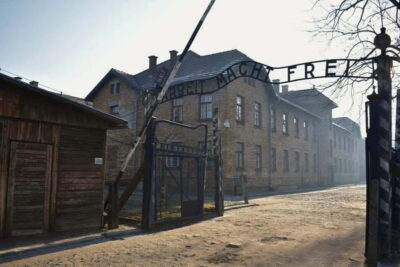
Auschwitz-Birkenau Guided Tour or Self-Guided Tour
Read our review →Browse the lists this tour appears in