
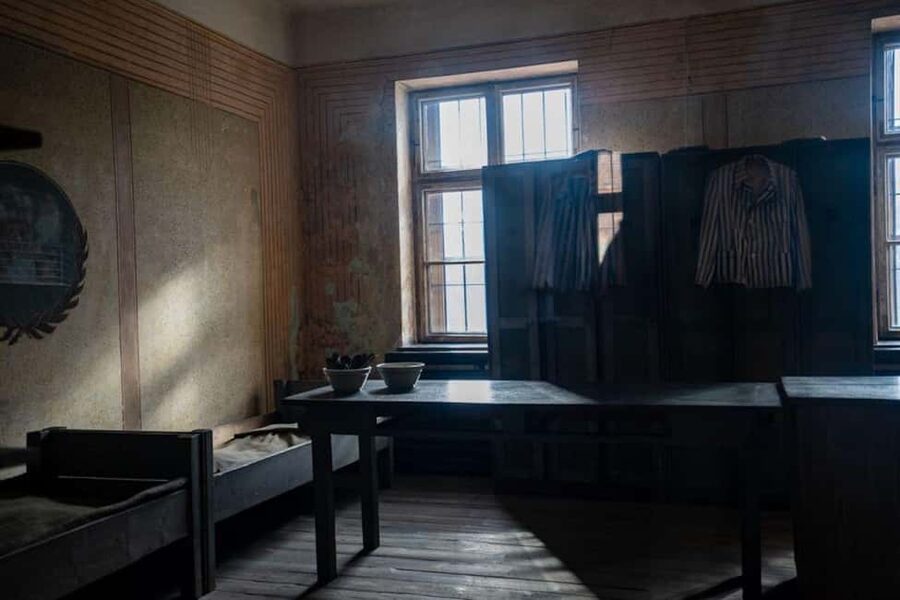
Reviewed · AUSCHWITZ-BIRKENAU GUIDED TOURS
Auschwitz-Birkenau: Skip-the-Line Entry and Guided Tour
Auschwitz-Birkenau does not let you rush. What makes this tour work is the skip-the-line entry plus an authorized guide, so you spend your time inside the sites, not in queues. You also get a local host to help you get bearings quickly and handle the visit plan with less stress.
Two things I really like: the orderly flow of a small group (up to 30) and the way the tour time is shaped around the two main areas, with about 1.5 to 2 hours at Auschwitz I and 60 to 75 minutes at Birkenau. One drawback to consider is that the visit is emotionally heavy, and children under 10 are not suitable, so it may not match every family’s needs.
In This Review
- Key highlights worth planning around
- Meeting at Bazylia: getting oriented without losing time
- Skip-the-line entry and what it does for your visit
- The guided experience: small group pace, clear explanations
- Auschwitz I: your 1.5 to 2 hour anchor
- The coach ride and the built-in break at Birkenau
- Birkenau: 60 to 75 minutes where scale hits hard
- Timing reality: how the 3.5 hours play out
- Price and value: why $56 can make sense
- Who this tour suits best, and who should be cautious
- What to bring, and what not to bring
- Small logistics details that make the day smoother
- Should you book this Auschwitz-Birkenau skip-the-line guided tour?
- FAQ
- Where is the meeting point?
- How long is the tour?
- How much time is spent at Auschwitz I and Birkenau?
- Is there skip-the-line entry?
- What languages are available for the live guide?
- Is the tour wheelchair accessible?
- What do I need to bring, and what is not allowed?
Key highlights worth planning around
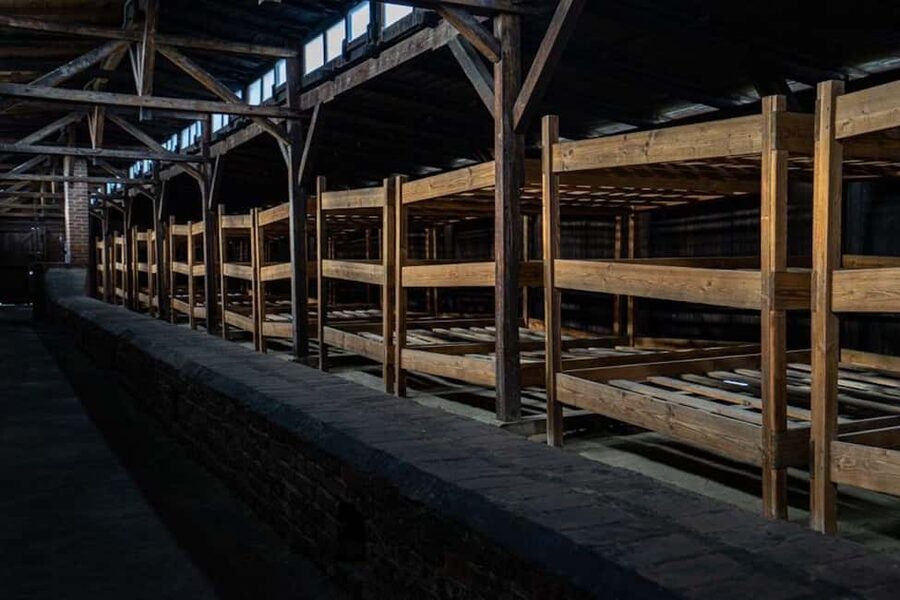
- Skip-the-line entry so your first minutes go to the memorial, not the wait
- Authorized guided time through Auschwitz I and Birkenau in a group up to 30
- Transport included between Auschwitz and Birkenau, plus a short break window
- Meeting point help from a local host at Męczeństwa Narodów 14 area, near Bazylia
- Language options: German, English, French for the live guide
Meeting at Bazylia: getting oriented without losing time
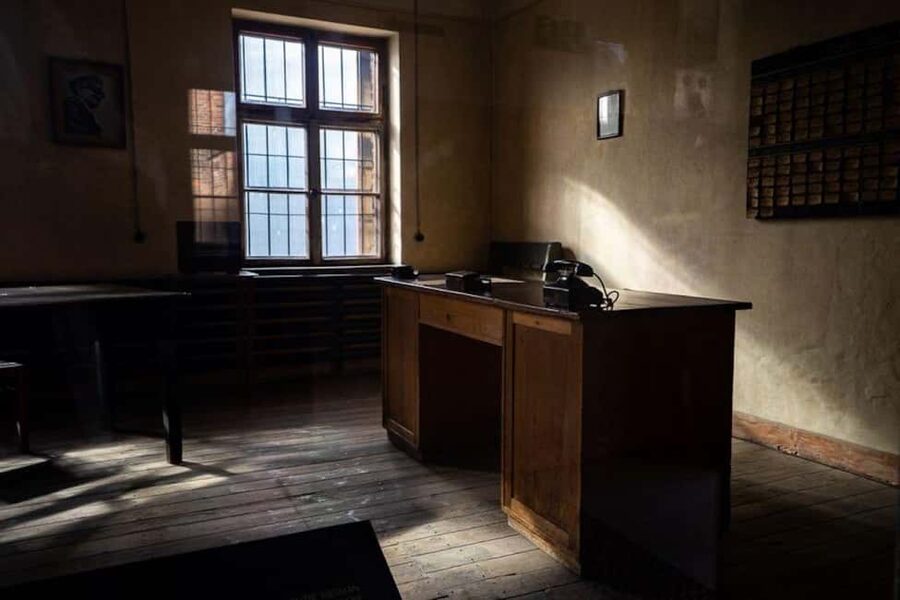
Your tour starts at Męczeństwa Narodów 14, and the practical piece that makes a big difference is the confirmed meeting setup. You’ll be met by a local host at the Birkenau Bus Parking, in front of the Bazylia restaurant. That matters because Auschwitz-Birkenau is spread out, signage can be confusing, and getting lost right at the start is the last thing you need.
The local host is not just there to “check you in.” You also get planning tips that help you understand how the visit will move, where time is most important, and what to expect when you transition between Auschwitz I and Birkenau. In a place like this, those small guidance moments reduce mental load.
Other Auschwitz-Birkenau guided visits on this site:
- From Krakow: Auschwitz-Birkenau Guided Tour & Hotel Pickup
★ 4.5 · 33,358 reviews - From Krakow: Auschwitz-Birkenau Guided Tour & Hotel Pickup
★ 4.5 · 29,340 reviews - Krakow: Auschwitz Guided Tour with Optional Hotel Pickup
★ 4.5 · 15,280 reviews
Skip-the-line entry and what it does for your visit
This experience includes skip-the-line entry, which is a straightforward advantage: less waiting and more time where it counts. Since your total tour duration is about 210 minutes (around 3.5 hours), every saved block matters. You are not trying to fit an emotionally intense day into a rushed schedule.
You also get transport between the two sites. That means you are not standing around figuring out buses while you are still adjusting your brain to the reality of what you are seeing. The plan includes a short coach ride of about 10 minutes, plus a 15-minute break built into the Birkenau portion.
The tour runs with a live guide for the guided sections, and language options are German, English, French. There is also wheelchair accessibility, which is an important practical detail when you’re choosing a group tour to a site with heavy walking and lots of ground to cover.
The guided experience: small group pace, clear explanations
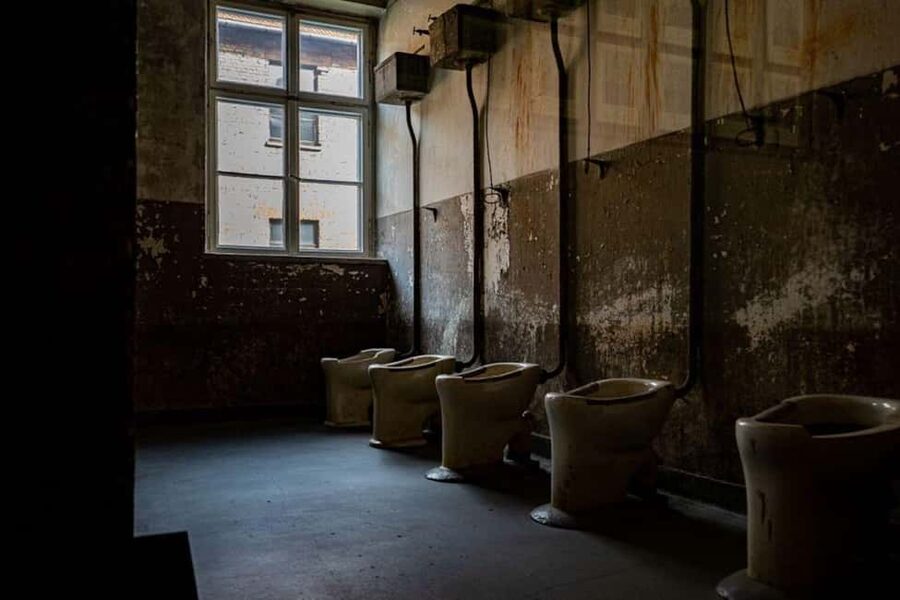
The tour is designed for a group of up to 30 people, which is big enough to feel social but small enough for the guide to keep everyone moving. The emotional nature of the visit is acknowledged in the structure, with time allocated for Auschwitz I and then Birkenau rather than rushing through both in a single blur.
From the tone of the experience, the big praised strength here is how the guide keeps explanations patient and easy to follow. That matters more than you might think. When you walk through former camps, your eyes and your feelings react first, and your understanding catches up second. A calm, well-paced guide helps that second part land.
You also get the chance to follow your authorized official Auschwitz-Birkenau guide through both Auschwitz I and Auschwitz II-Birkenau. The guide’s role is to provide context for what you’re seeing, so you are not relying on guesswork in a place where details matter.
Auschwitz I: your 1.5 to 2 hour anchor
The schedule gives you roughly 2 hours at Auschwitz I. That is long enough to slow down without feeling stuck. Auschwitz I is treated as the first major anchor of the tour, and your guide leads the group through it with time built in for learning and absorbing what you’re looking at.
One practical benefit of having Auschwitz I first is that it sets the framework for what comes next. By the time you reach Birkenau, you are not starting from zero. The guided time helps you make sense of the differences between the two areas and why they are discussed as a pair.
A drawback to expect, even with a guide, is emotional weight. This site is somber by design. You should plan to move at the pace you need, even if the group stays organized. If you tend to get overwhelmed by crowds, you may prefer visiting with a guide anyway, because the structure can keep you from feeling lost.
Still tacked up around Krakow

The coach ride and the built-in break at Birkenau
Between Auschwitz I and Auschwitz II, there’s a short bus or coach segment, about 10 minutes, which is included. It’s not just convenience. The transition gives you a mental reset that you might not get if you were traveling yourself and planning your own timing.
Once you arrive at Birkenau, the itinerary includes a break time of about 15 minutes. That’s not a long meal break, and food and drinks are not included, so think of it as a chance to use facilities, reposition, and prepare for the next stretch. Having this break inside the tour plan is one of those behind-the-scenes details that helps the day feel manageable.
Birkenau: 60 to 75 minutes where scale hits hard
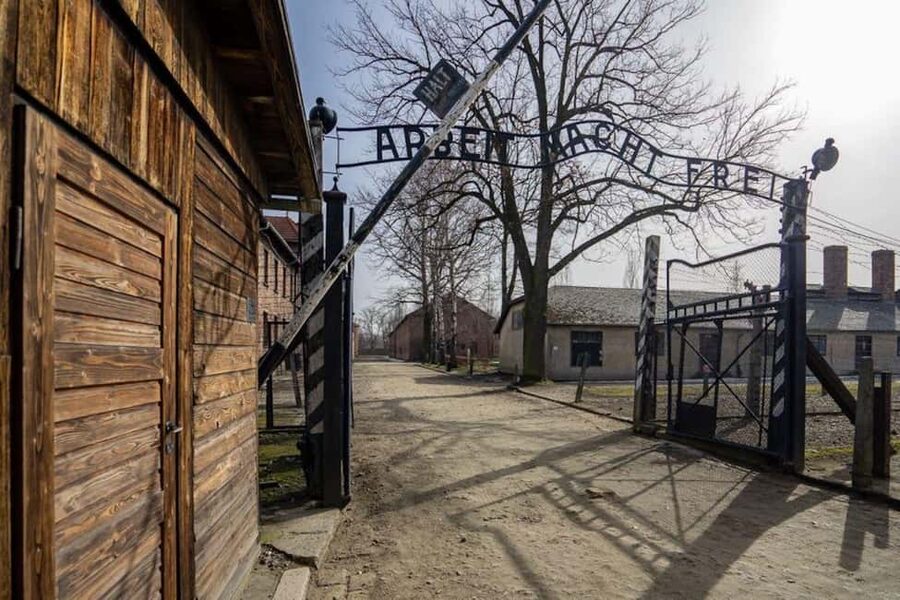
Your Birkenau portion is planned for about 80 minutes in the itinerary, with guidance time described as 60 to 75 minutes. In either case, you get meaningful time where the emotional impact can take over. This is the part people often remember most, partly because the space can feel vast, and partly because the story tied to the site is difficult.
The best value of a guided visit here is clarity. Birkenau is not easy to interpret on your own if you’re not sure what to look for. A good guide helps you focus on the main points without turning the experience into a lecture you can’t absorb.
This tour also flags that you will be exploring Auschwitz II-Birkenau as part of an organized program, while still allowing you to take in the memorial at your own pace in certain moments. That balance is important: you want guidance, but you also need time to process.
Timing reality: how the 3.5 hours play out
Total time is listed at 210 minutes, about 3.5 hours, with Auschwitz I around 1.5 to 2 hours and Birkenau about 60 to 75 minutes, plus the ride and the break. That is a compact schedule for such a heavy place, so it’s worth going into it with the right expectations.
One note that can affect your plan: the starting time may change due to Auschwitz guides availability. The experience is built around the guide schedule, so don’t assume the first time slot you see is guaranteed down to the minute.
Group size matters here too. With up to 30 people, the plan will keep moving, but it will not feel like a one-on-one private visit. If you need lots of time at a single point, you might feel that pressure. Still, compared with self-guided visits where you may wander too long or too fast, the built-in structure can prevent wasted time and confusion.
Price and value: why $56 can make sense
The price is $56 per person, which you should evaluate based on what’s included, not just the sticker price. What you get here is:
- Skip-the-line entry
- A guided tour of Auschwitz I and Birkenau
- A local host at the meeting point
- Transport between the sites
When you add those components together, the tour isn’t just paying for narration. You’re paying for time saved, reduced logistics stress, and a guide who can help you understand what you’re seeing while you’re there.
Also, because this tour lasts about 3.5 hours, it can be a smart value for people staying in Krakow or nearby who want a structured half-day that doesn’t expand into a full travel day. Food and drinks are not included, so you’ll want to plan your meal around the tour, but that is fairly standard for memorial visits.
Who this tour suits best, and who should be cautious
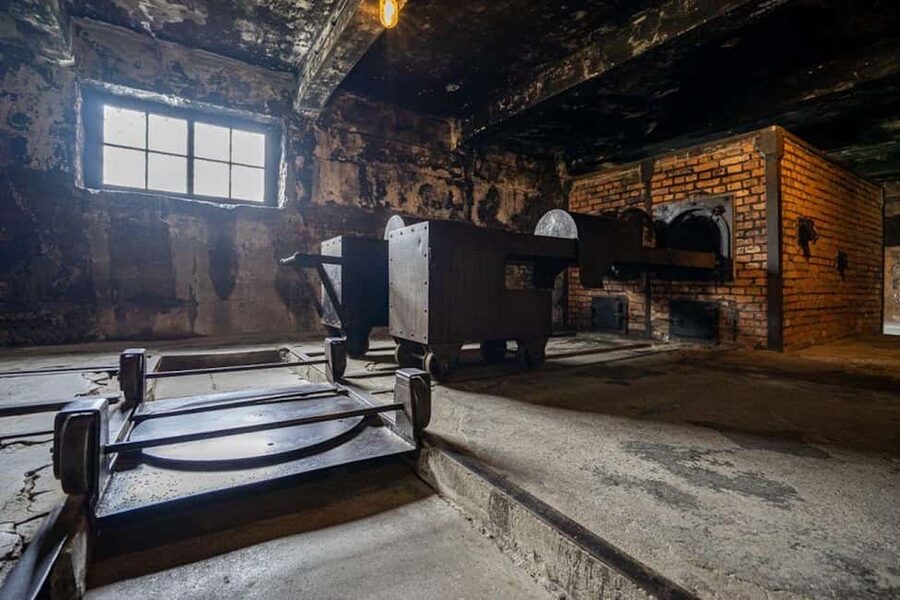
This is a good fit if you want an organized, guided visit and you value saving time with skip-the-line entry. The group up to 30 keeps it social but manageable, and the language options (German, English, French) make it more likely you can understand the guide clearly.
It’s also a strong choice for anyone who benefits from a local host guiding the start. The meeting point at Birkenau bus parking by Bazylia can be tricky on your own, and the local tips help you avoid first-day confusion.
Who should consider a different option:
- Children under 10 are listed as not suitable for this activity.
- If you know you dislike group tours, you may find the pacing a bit structured.
- If you need the absolute most time possible in one small area, a timed plan might feel limiting, even though it includes breaks.
On the positive side, it’s listed as wheelchair accessible, so mobility needs are accounted for.
What to bring, and what not to bring
At the entrance, you’ll need passport or ID card. The tour also specifies passport or ID for children, so don’t travel without the right documents in your group.
For rules on-site, weapons or sharp objects are not allowed, and alcohol and drugs are not allowed. It’s worth reading those lines like a checklist before you leave home, not on arrival.
One more practical point: the tour is described as emotional and somber. That doesn’t change the logistics, but it should change your mindset. Build in time afterward to decompress, because the effect can last longer than you expect.
Small logistics details that make the day smoother
A few details make this tour feel calmer in real life:
- You have a clear meeting point at Birkenau bus parking in front of Bazylia
- You get transport between the two sites
- The itinerary includes a break period rather than leaving you to guess when you’ll be free
- Your guide is authorized, which helps with clarity and respect for the experience
- Group size is capped at 30, which usually keeps the pace from turning chaotic
Also, food and drinks are not included. That’s not a problem, but you should plan your timing so you are not hungry and stressed during the guided parts.
Should you book this Auschwitz-Birkenau skip-the-line guided tour?
If your priority is to start efficiently, understand what you’re seeing, and avoid long lines, I think this tour is worth strong consideration. The combination of skip-the-line entry, an authorized guide, and included transport is built for people who want a respectful visit without turning it into a logistics puzzle.
Book it if:
- You want a guided explanation in English, German, or French
- You prefer an organized group plan over self-guiding
- You value time management with about 3.5 hours total
Skip it (or look for a different style) if:
- You know you need a lot more flexible time than a set schedule allows
- You are traveling with children under 10
- You strongly dislike group pacing, even when the tour is well run
FAQ
Where is the meeting point?
The meeting point is located at the Birkenau Bus Parking at the front of Bazylia restaurant. The starting location is listed as Męczeństwa Narodów 14.
How long is the tour?
The tour lasts about 210 minutes, or roughly 3.5 hours.
How much time is spent at Auschwitz I and Birkenau?
You will spend around 1.5 to 2 hours at Auschwitz and about 60 to 75 minutes at Birkenau.
Is there skip-the-line entry?
Yes. The tour includes skip-the-line entry to Auschwitz-Birkenau.
What languages are available for the live guide?
The live tour guide is available in German, English, and French.
Is the tour wheelchair accessible?
Yes, the tour is listed as wheelchair accessible.
What do I need to bring, and what is not allowed?
Bring your passport or ID card (including for children). Weapons or sharp objects are not allowed, and alcohol and drugs are not allowed.
Freshly posted from Krakow
- ZALIPIE – painted village, unique small group tour from Krakow★ 5.0 · 7 reviews
- “John Paul II Route” PRIVATE -Wadowice, Kalwaria Z.-Łagiewniki★ 5.0 · 7 reviews
- Krakow: Craft Beer Tasting City Walking Tour★ 4.4 · 7 reviews
- Magic of Krakow: Guided Tour of the Old Town★ 5.0 · 7 reviews
- Krakow : Zakopane Tour + Thermal Pools with Hotel Pickup★ 4.8 · 7 reviews
- Krakow in One Day: City Tour by Electric Car★ 5.0 · 7 reviews
- Cracow: Wawel Castle and Cathedral Guided Tour★ 5.0 · 7 reviews
Auschwitz-Birkenau Guided Tours, compared.
Auschwitz-Birkenau Guided Tour & Hotel Pickup
Read our review →Auschwitz-Birkenau Guided Tour & Hotel Pickup
Read our review →
Auschwitz Guided Tour with Optional Hotel Pickup
Read our review →
Auschwitz-Birkenau Guided Tour with Pickup & Lunch
Read our review →
Krakow to Auschwitz Birkenau Guided Tour with Transfer and Ticket
Read our review →
Auschwitz-Birkenau Guided Tour or Self-Guided Tour
Read our review →Browse the lists this tour appears in